
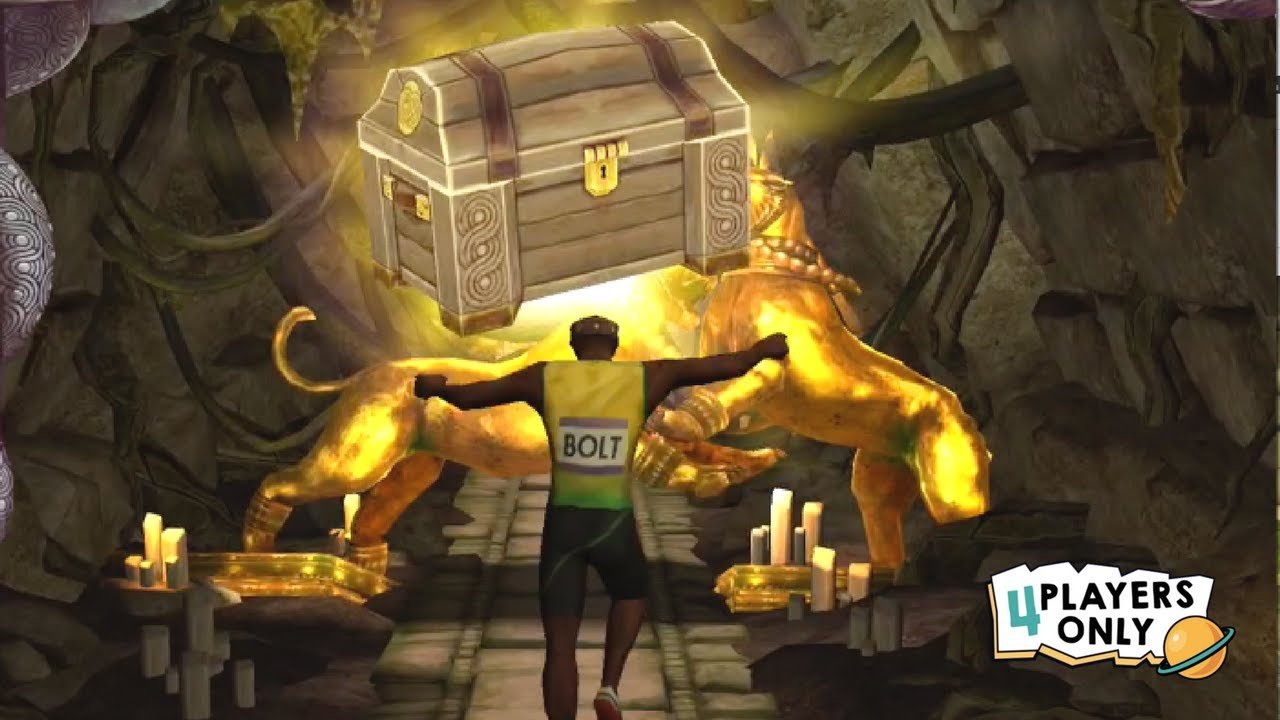
No, the game Temple Run does not have a definitive end.
Ever found yourself perpetually running from those pesky demonic monkeys? You are not alone in wondering, does the game temple run have an end? It is a question many players ponder as they navigate endless temples and treacherous landscapes.
The game’s design centers around a continuous, high-score chasing experience rather than a narrative-driven conclusion. This means you will keep running and collecting coins as far as you can.

Does the Game Temple Run Have an End?
Temple Run, the endless running game that has captivated millions, often leaves players wondering: Is there an actual finish line? The simple answer, and the one most players will encounter, is no, Temple Run doesn’t technically have an ending. You won’t reach a “You Win!” screen, or a final level that concludes the game. But let’s delve deeper into what that really means and explore the nuances behind this seemingly endless chase.
The Concept of Endless Running
To understand why Temple Run doesn’t end, it’s important to grasp the concept of an endless running game. These types of games are designed to keep going as long as you can avoid making a mistake. They aren’t built around completing specific levels or overcoming a fixed set of challenges. Instead, the game focuses on:
- Distance Traveled: Your primary goal is to travel as far as possible without hitting an obstacle or falling off the path. The further you go, the higher your score becomes.
- Increasing Difficulty: The game gets progressively harder as you run, with faster speeds, tighter turns, and more obstacles. This continuous increase in difficulty creates a constant challenge and keeps you engaged.
- High Scores: The emphasis is on achieving personal bests and comparing your performance with friends and other players on leaderboards. It’s a competition against yourself and others, rather than against the game itself.
Essentially, Temple Run is a race against your own capabilities. You’re always pushing your limits to see how far you can run, how high you can score, and how many coins you can collect.
What You Experience Instead of an Ending
Since Temple Run doesn’t have a traditional ending, you’ll encounter different milestones as you play. These moments of progress are important to the player’s experience, even if they don’t signal the game’s end. These milestones include:
Achieving High Scores
Setting new high scores is a major part of the Temple Run experience. You’re constantly trying to beat your previous best, aiming for an even higher number each time you play. The game motivates you to keep improving, making it quite addictive. You may feel a sense of accomplishment when you see that you beat your personal best, even if that doesn’t equal finishing the game.
Collecting Coins
Gathering coins during your run is a core mechanic. These coins allow you to purchase various power-ups and character customizations, adding a layer of progression beyond just distance. Although collecting coins doesn’t lead to an ending, it does give you goals within the gameplay. The more coins you collect, the more you can improve your gameplay, and unlock new things to keep you invested.
Unlocking Characters
Temple Run features many characters that you can unlock using collected coins or by completing specific achievements. Each character may have slight differences, adding some variety to the gameplay. This creates another goal to achieve and keeps you interested as you attempt to get them all. Even without an end, players will feel a sense of progression as they gain new characters to play as.
Power-Ups and Abilities
The power-ups you can collect during the game, such as the magnet and invincibility, are vital for scoring higher and running further. These abilities change the gameplay and make it a bit less challenging temporarily. These power-ups help a player get a better score and go further, even if it doesn’t change the game’s ultimate goal.
Missions and Objectives
Temple Run provides various missions that challenge you to perform specific tasks. These missions might involve reaching a certain distance, collecting a specific number of coins, or performing particular actions. Completing these missions gives you more to work towards, which keeps you focused as you play the game. While these don’t give the game an ending, they do provide more goals to strive for during the course of the game.
Why Games Like Temple Run Don’t Have an Ending
The design of endless runner games like Temple Run is intentional. Here are a few reasons why they don’t have a definitive end:
Replayability
The absence of an end enhances replayability. Without a fixed conclusion, players are motivated to keep playing, trying to achieve better scores and go further with each attempt. It’s not about finishing the game but about constantly improving and getting better at it. If the game had an end, players might lose interest once they complete it.
Constant Engagement
The endless nature of the game keeps players engaged because there is always a goal to achieve, either in the form of a personal best or some collection goal. The challenge constantly grows, keeping players on their toes and wanting to see how much further they can go. This continuous challenge makes the game more appealing for long-term play.
Mobile-Friendly Design
Endless running games are especially well-suited for mobile gaming because they are easy to pick up and play for a few minutes at a time. The endless nature lets you play as long as you like, without having to commit to a long and involved game. This is perfect for a quick game when you’re on the bus, waiting in line, or any other situation where you just have a few spare minutes.
Focus on Skill and Improvement
Temple Run’s design focuses on player skill and improvement. Instead of following a structured path with a final level, the game challenges you to refine your reflexes and decision-making skills. The objective is to always get better, making each run a learning experience. The never-ending nature makes this practice rewarding.
The “End” from a Different Perspective
While there isn’t a traditional ending, some players consider the “end” to be reaching the point where they feel they have mastered the game. This is a personal ending, where the challenge begins to wane and players are able to get high scores with ease. Let’s look at how some players view the idea of ending the game.
Personal Milestones
Some players may set their own goals, such as reaching a certain distance or collecting all the characters. For them, achieving these milestones might feel like they have “finished” the game in their own terms. This provides a personal sense of achievement, which can feel the same as ending a game with a final level.
Reaching Mastery
After countless runs, many players reach a point where they feel they have mastered the game mechanics. They can easily avoid obstacles, collect a lot of coins, and achieve consistently high scores. This sense of mastery can feel like a form of completion, even without a formal ending. For some players, the game’s challenge ends when they have perfected their skills.
Changing Interests
Sometimes the player themselves determines when the game ends for them. This might be due to changing interests or because they have simply become tired of the game. This isn’t an official end to the game, but for the player, it is the end of their game.
Temple Run Versions and Their Similarities
Several versions of Temple Run exist, like Temple Run 2 and other spinoffs. While the specifics and features can differ, the central idea of endless running and a lack of a clear ending remain consistent across all these games.
Temple Run 2
Temple Run 2 introduces new characters, environments, and challenges, but it maintains the core concept of continuous, endless running without an end. This version is visually improved and provides new challenges, but it still doesn’t have an actual ending. Players continue to focus on setting new high scores and collecting rewards.
Spin-off Games
Other Temple Run spin-offs may offer slight variations in gameplay, but they stick to the core idea of an endless running game. While there may be new mechanics or visuals, the overall goal of endless running with increasing difficulty and no end-screen persists. These games are built on the same principle of pushing yourself to go as far as possible.
Shared Principles
All versions and spin-offs of Temple Run adhere to the principle of endless running. This commonality is what makes the series so recognizable and helps maintain a steady base of players. The core appeal of the game is always about the challenge and seeing how far you can go, and each version holds true to that principle.
The Appeal of Endless Running
So, if there isn’t a finish line, what is it about Temple Run and games like it that make them so addictive? The answer lies in several elements that combine to create a simple yet very compelling experience. Let’s break down these appeals:
Simplicity and Accessibility
The game mechanics are very simple: you swipe to turn, jump, and slide. This simplicity makes it very easy for anyone to pick up and play, regardless of their gaming experience. The controls are very easy to learn, which makes the game very popular among various demographics.
Quick Play Sessions
The quick-play format fits perfectly into the busy lives of modern people. You can play a few minutes on the bus, during a break, or whenever you have spare time. The game is also easy to put down when you need to, without feeling like you have to finish a level or a challenge. This accessibility makes it easy to start a quick game.
The Challenge of Improvement
The gradual increase in difficulty with the rising speed and obstacles provides a constant challenge. You are always striving to improve your score and go a bit further than your previous run. This element keeps players motivated and engaged. The constant growth in difficulty provides ongoing entertainment as you continue to play.
The Competitive Element
Competing with friends and other players on leaderboards adds an element of competitiveness. This competitive nature of the game keeps players engaged as they try to surpass other players. The ability to compare your score to others adds an extra element of fun and motivation.
Progression and Rewards
While the game doesn’t end, the various power-ups, characters, and mission completion provide a sense of progression. It gives players a feeling of accomplishment that keeps them invested. This progress and constant reward gives a sense of purpose to the endless game.
It’s Simply Fun
Ultimately, Temple Run is fun. The combination of simple mechanics, a challenging pace, and the satisfaction of personal improvement makes it appealing for players of all ages. The overall game design, from its look and feel, to its sound and gameplay, is simply fun and easy to engage with.
In conclusion, Temple Run is designed as an endless running experience. While there is no final screen or end to the game, players find enjoyment in the continuous challenge, the pursuit of high scores, and personal progression. It’s the journey that matters, not a fixed destination. The game’s design focuses on player engagement, personal improvement, and the challenge of going as far as you can, making each run an experience to enjoy. So, while you might never truly “finish” Temple Run, you can always strive to run a little further.
What Ever Happened To Temple Run?
Final Thoughts
Temple Run does not feature a traditional ending. Instead, the game presents an endless running format. Players aim to achieve the highest score possible.
The game continues until your character falls or gets caught. The pursuit of better records and new challenges is a must for players. This is the core gameplay loop.
Ultimately, “does the game temple run have an end?” No, it does not possess a defined end point. The game’s focus is the ongoing chase for improved performance.

