
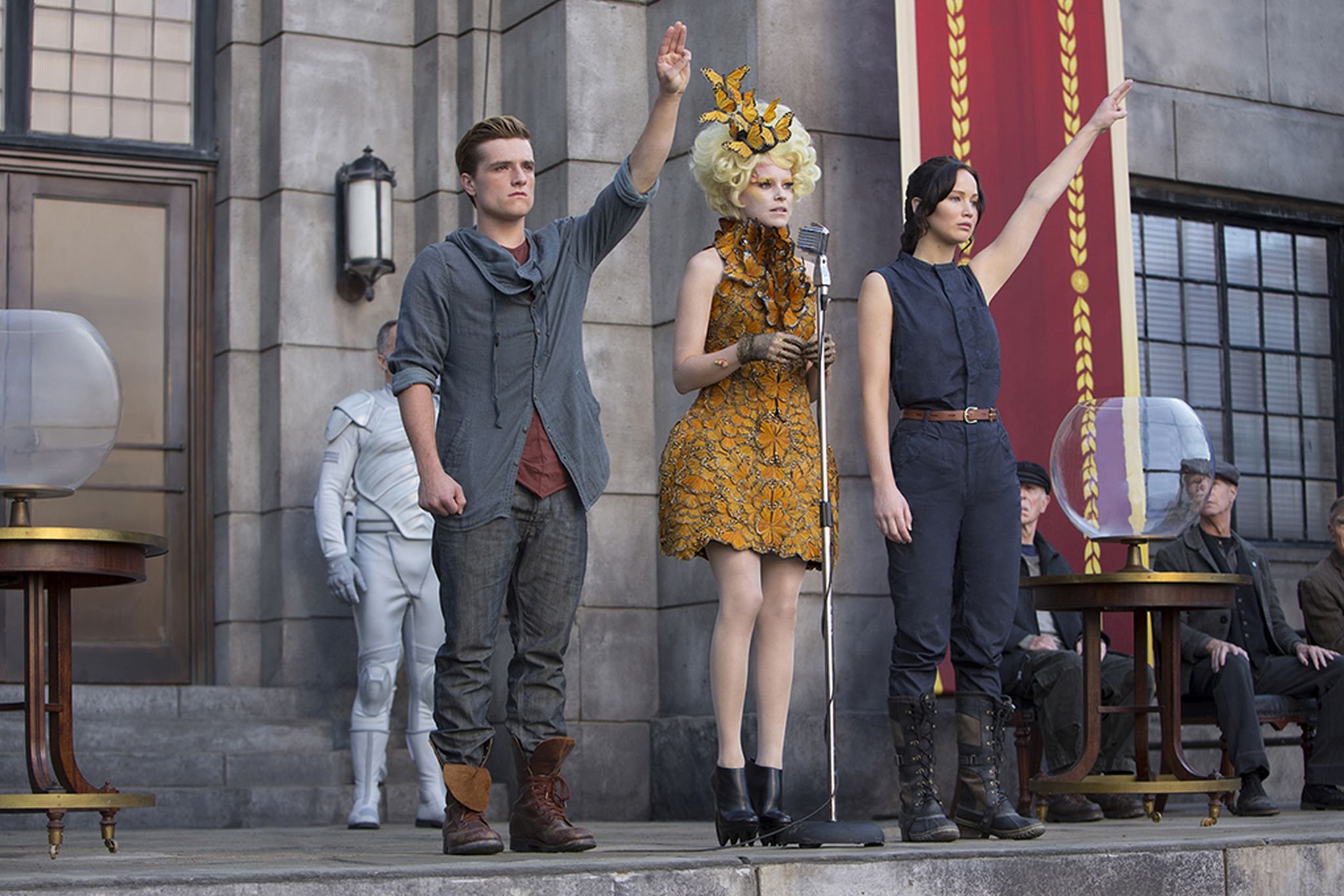
The Hunger Games presents a dystopian society through its oppressive government, forced child combat, and stark social inequalities.
Ever wondered about Panem’s true nature? Many of us get captivated by the arena’s drama, but digging deeper reveals a world far from ideal. How is the Hunger Games dystopian, you might ask? It’s not just the fight-to-the-death aspect, it’s the controlling government and the systematic exploitation of its citizens.
The districts suffer immensely, facing poverty and starvation. This contrast with the opulence of the Capitol makes it a clear example of a failed, unfair society. Children are forced to compete in a televised spectacle – it is hardly a utopia.

How is The Hunger Games Dystopian?
Okay, let’s dive deep into why Panem, the world of The Hunger Games, is a textbook example of a dystopian society. It’s not just about kids fighting to the death; it’s about the systematic oppression and control that make the whole world so incredibly messed up. Think of it like a really, really bad dream where the government has way too much power, and regular people don’t have many rights at all. Dystopian settings often show us a future we don’t want, a cautionary tale about what could happen if things go very wrong. Let’s break down the different pieces that make Panem such a terrible place to live.
The Capitol’s Iron Grip
First and foremost, the Capitol’s power is immense and completely unchecked. They’re like the mean kids who control the playground, but on a national scale. The Capitol is the central city, where all the wealthy and powerful people live. They enjoy lives of luxury and extravagance, completely disconnected from the hardship of the districts. The Capitol has advanced technology, access to the best resources, and the power to dictate everything that happens in Panem.
Absolute Control
Think about it: the Capitol controls everything. They decide how much food each district gets. They assign jobs. They even decide who gets reaped for the Hunger Games. There are no choices for the people in the districts. Their lives are dictated by the rules set by the Capitol. They don’t have freedom of speech, freedom of movement, or even the freedom to live without the constant fear of the Capitol’s watchful eye. This complete domination is a hallmark of dystopian societies.
- The Capitol dictates food rations to the districts.
- They assign jobs to district citizens.
- Capitol has power to decide who gets selected for Hunger Games
Propaganda and Manipulation
The Capitol uses propaganda heavily to maintain its power. Propaganda is like a fancy way of saying they put out carefully created information to convince people of certain things. They use TV shows, news reports, and even the Hunger Games themselves as tools to manipulate the citizens. They portray the Capitol as glamorous and good, while the districts are presented as rebellious and deserving of punishment. They aim to keep the districts divided and afraid, preventing them from uniting against the Capitol. The propaganda is there to make the people in the districts believe that the system is just, even when it’s not. This technique is used in several dystopian stories.
The Horrors of the Hunger Games
Obviously, the Hunger Games themselves are a key reason why Panem is dystopian. It’s not just a sporting event; it’s a brutal spectacle designed to keep the districts in line. It’s a yearly reminder of the Capitol’s power and a way to punish the districts for a past rebellion.
A Spectacle of Violence
The annual event forces young people to fight to the death for entertainment. These aren’t soldiers or criminals. They are children, usually between the ages of 12 and 18, who are forced to become killers. The violence is glorified on TV, making it seem like a normal event. People in the Capitol place bets on the tributes and cheer them on, turning the deaths of children into a game. This desensitization to violence and human suffering is a common thread in dystopian stories.
A Tool of Control
The Hunger Games aren’t just for entertainment. They are a way for the Capitol to show their power. Each year, they remind the districts that any attempt to rebel will be met with brutal force. By forcing the districts to send their children, the Capitol is also breaking apart the family structure and creating a culture of fear and despair. The games serve as a constant threat, ensuring compliance in the districts. They also make it difficult for districts to band together against the capitol.
- The games are a public spectacle of child murder.
- They instill terror and submission in the districts.
- The games discourage rebellion by showcasing the Capitol’s strength.
The Poverty and Suffering of the Districts
The contrast between the Capitol and the districts is shocking and another sign of a dystopia. While people in the Capitol live in opulence, the people in the districts are starving and struggling to survive. It’s like two completely different worlds existing in the same country.
Unequal Distribution of Resources
The Capitol takes the resources that the districts produce and distributes very little back to them. The districts are forced to work in difficult and often dangerous conditions to provide for the Capitol’s needs. This lack of resources and food creates widespread poverty and suffering, creating a desperation that makes the districts even more vulnerable to control. The districts’ economic system is designed to benefit the Capitol, keeping the districts impoverished and dependent.
Lack of Basic Rights
Citizens in the districts don’t have access to basic things that we take for granted, like decent food, medical care, or education. They are not even allowed to travel between districts. Their lives are completely determined by the Capitol’s policies, without any say in their own future. Their rights are constantly violated, making it impossible for them to live a decent and dignified life. This disregard for human rights is a key element of dystopian fiction.
Loss of Individuality
In Panem, people are not encouraged to think for themselves. They’re supposed to conform to what the Capitol wants. Individuality and creativity are discouraged because they pose a threat to the Capitol’s authority. This lack of freedom of thought and expression is a classic feature of a dystopian society.
Conformity
The Capitol wants everyone to think and act the same way. They use propaganda to promote conformity and crush any signs of rebellion. They also create social norms and expectations that discourage independent thinking. This limits the diversity of thought and expression in the districts.
Suppression of Creativity
In the districts, there is very little opportunity for creative expression. The focus is on survival and obedience to the Capitol. Arts, music, and independent thought are not celebrated; instead they are seen as potentially dangerous. The Capitol suppresses things that could spark critical thinking or inspire people to rise up. This cultural control is another way to keep the districts under their thumb.
Social Injustice and Inequality
The Hunger Games world highlights huge social injustice and inequality. Some people have all the power and luxury while others have nothing and suffer. This unfair system is one of the main characteristics of a dystopian society.
Class Division
The division between the Capitol and the districts is a stark representation of class inequality. The Capitol residents enjoy a privileged life, while the districts are exploited and oppressed. This class system is rigidly enforced, making it nearly impossible for anyone to move up the social ladder. This inequality is a systemic feature of the society that is difficult to challenge. The gap between the rich and poor is very large and it’s intentional.
Lack of Opportunity
People born in the districts have very little chance of changing their circumstances. They’re trapped in a cycle of poverty and exploitation. They don’t have the same access to education, healthcare, or jobs as people in the Capitol. This lack of opportunity means that they’re basically destined to live in hardship. This lack of social mobility makes Panem a place of deep social injustice.
Surveillance and Fear
Citizens in Panem live under constant surveillance. The Capitol is always watching, making people afraid to speak out or rebel. This fear is a major way the Capitol maintains its power.
Constant Monitoring
The Capitol uses technology, like cameras and Peacekeepers, to monitor the districts. This constant monitoring makes people feel like they can never truly be alone or safe. They’re always worried about being watched or overheard by the Capitol, this constant paranoia limits their freedom and stifles any potential dissent.
Peacekeepers and Brutality
The Peacekeepers are the Capitol’s military force, and they are known for their brutality. They use force to suppress any sign of resistance. This intimidation and violence are used to control the population and keep them afraid. This constant threat of violence keeps districts in a state of fear and submission, creating a society built on control.
The Loss of Hope
One of the most heartbreaking things about Panem is the lack of hope for a better future. The districts are stuck in a terrible cycle of oppression and despair, where hope is a dangerous luxury. This loss of optimism is a common trait of many dystopian worlds.
Despair and Apathy
The constant struggle for survival and the oppression from the Capitol can wear down even the strongest spirits. People in the districts often feel helpless and hopeless, leading to apathy or giving up on the possibility of change. This widespread despair keeps them from fighting back or challenging the system. The Capitol maintains control by keeping the citizens discouraged.
The Power of Rebellion
However, despite all of the despair, small glimmers of hope can still be seen, like Katniss Everdeen’s acts of rebellion. These acts of bravery and defiance are important because they show how people can still find strength, even in the worst times. They demonstrate that even in dystopia, the spirit of resistance can’t be completely crushed.
So, there you have it. Panem is a textbook dystopian society. From the Capitol’s iron grip and the horrors of the Hunger Games to the poverty and oppression in the districts, The Hunger Games shows us a world we definitely want to avoid. It teaches us about the dangers of unchecked power, the importance of freedom, and the value of fighting for justice. By understanding the elements that make Panem so awful, we can better recognize similar trends in our own world and hopefully make sure that a place like Panem never comes to be.
Dystopian Futures: The Hunger Games
Final Thoughts
The Hunger Games paints a bleak picture with its stark social divisions and the Capitol’s brutal control. A lottery decides children’s fate, forcing them into a televised fight to the death. This system shows a complete disregard for human life and individual freedom, a key must in dystopian worlds.
The oppressive government suppresses dissent and maintains power through fear. Citizens live in poverty while the elite enjoy extravagant lifestyles. This disparity highlights the corruption and injustice prevalent in the society.
Ultimately, how is the hunger games dystopian? It reveals a terrifying vision of a world where basic rights vanish and power is absolute. The games themselves are the most disturbing manifestation of this dystopian control, making it a bleak warning.

