
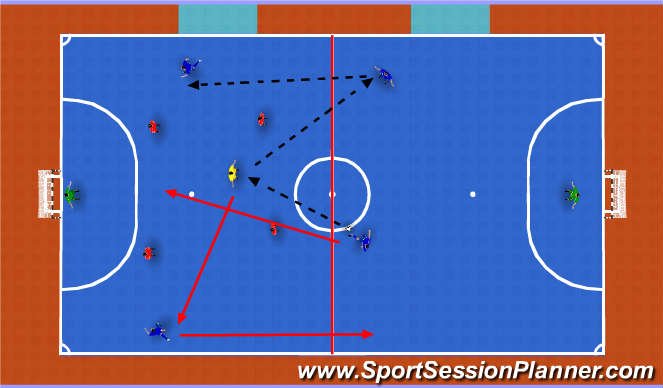
Futsal games are typically 40 minutes long, divided into two 20-minute halves, with a halftime break.
Ever wondered about the fast-paced action of futsal and exactly how long are futsal games? It’s a question many newcomers to this exciting sport often have. Understanding the timing helps you appreciate the game’s intensity.
The duration of a futsal match, though seemingly short, packs a lot of thrills. The compact nature of the game demands high energy levels and quick thinking from every player.

How Long Are Futsal Games?
So, you’re curious about how long futsal games last? That’s a great question! Futsal, that fast-paced, super-fun indoor soccer game, has its own rules, and that includes the game’s duration. Unlike outdoor soccer, which can sometimes feel like it goes on forever, futsal is designed to be quick and exciting. Let’s dive in and explore everything about how long these thrilling matches really are.
The Standard Futsal Game Length
The official, standard length of a futsal game is 40 minutes. That’s divided into two equal halves of 20 minutes each. Think of it like watching your favorite TV show – there’s a first half, then a break, and then the second half. But hold on! There’s more to it than just those two 20-minute periods.
Playing Time vs. Real Time
It’s super important to understand the difference between “playing time” and “real time.” The 40 minutes we talk about are playing minutes. This means the clock stops whenever the ball goes out of play, when a foul happens, or if the referee needs to pause the game. This is quite different from many other sports where the clock keeps running. So, while the game’s official time is 40 minutes of playing time, the total time you are at the court might be longer because of all the stoppages. You’ll find that real time from the start to the final whistle can easily be closer to an hour or even a little more!
Understanding Stop Clocks
The use of a stop clock in futsal games adds an extra layer of strategy and fairness. The clock is there to make sure no time is wasted. As soon as the ball is out of bounds, a foul happens or the ball is not in play, the clock pauses. As soon as the ball is back in play, the clock starts again. This means that those precious playing minutes actually represent action, not just elapsed time. That makes every second of the game exciting and important. The stop clock also influences the strategies players and coaches take, as managing the time effectively is crucial for winning.
Halftime Break
Just like in soccer or basketball, futsal games have a halftime break. It’s a short 15-minute break between the two 20-minute halves. This break allows players to rest, regroup with their coaches, and get ready for the second half. Coaches usually discuss strategies, and players hydrate and plan what to do next. It’s important for both teams to use their time wisely so they can come back refreshed and prepared.
Timeouts During a Futsal Match
Teams in futsal have the opportunity to call timeouts, usually one per half. These timeouts are crucial strategic moments. Each timeout allows teams 1 minute to speak with each other, allowing the players to have a short break and receive quick strategies for their next moves. These timeouts also pause the game clock, adding to the “real time” duration of the game.
Variations in Game Length
While the standard is 40 minutes, not every futsal match follows this strict time frame. Several factors can influence how long a game lasts. Let’s take a look:
Youth Futsal Games
Younger players often play shorter games. For example, games for kids aged 8 to 12 might be just two 15-minute halves, or sometimes even shorter. This is to keep the game fun and manageable for younger players with shorter attention spans and different physical abilities. These shortened game lengths allow younger players to focus more and be more engaged in playing the game.
Friendly Matches and Casual Play
If you’re playing a friendly match or just for fun with your friends, you might decide to change the length of the game. You might choose to play two 15-minute halves, or even shorter games, depending on everyone’s preference and energy levels. In these informal settings, the game’s duration is flexible and will be determined by the players.
Tournaments and Special Events
Sometimes, futsal tournaments or special events might have different rules. The games could be longer or shorter than the usual 40 minutes, depending on the schedules and the level of competition. It is always a good idea to double-check the specific rules when you’re playing in such events, because some tournament organizers might adjust the time to accommodate the overall schedule of the event.
Factors Affecting Game Duration
It’s good to remember that the 40 minutes of playing time is just the start, and many things could make a futsal game last longer. Some of those include:
- Timeouts: Each timeout adds one minute to the overall game time.
- Substitutions: Unlike some sports, substitutions in futsal happen on the fly, but the referee sometimes has to stop the game for a substitution or other events, such as an injury.
- Injuries: If a player gets injured, the game will stop, adding to the real time, as the medical team attends to the player.
- Fouls: When fouls occur, the clock is paused, which extends the overall game time.
- Out-of-bounds: The clock stops when the ball goes out of play, which affects the total time for the game.
- Disputes and Referee Decisions: if there is dispute on field, that can add time to the overall game time.
Comparing Futsal Game Time to Other Sports
It is always a good idea to compare futsal with other games, so let’s compare futsal with different sports.
Futsal vs. Outdoor Soccer
One of the biggest differences is game length. Outdoor soccer games for adults usually consist of two 45-minute halves (a total of 90 minutes of playing time), plus extra time if needed. In contrast, a standard futsal game has two 20-minute halves (40 minutes of playing time) and no extra time, only penalties. The stoppage in futsal game time, due to stop clock rules, means that the playing time is a lot more intense.
Futsal vs. Basketball
Basketball games are split into four quarters, usually each of 10-12 minutes. Again, there are plenty of stoppages, but the game is typically fast-paced. Futsal has only two halves, but both sports utilize the stop clock, making every second count. In professional basketball, it takes around two to two and a half hours for a full game, and when comparing with futsal, it’s quite noticeable that futsal is comparatively shorter, making it intense.
Futsal vs. Indoor Soccer
Indoor soccer can have varying lengths depending on the rules of the league. Typically indoor soccer matches can last longer than a standard futsal game, but that depends on the league and the type of games being played. The main differentiator between the two is that in futsal, the stop clock and rules are more strict and precise.
Why Futsal Game Length Matters
The length of a futsal game is not just about the number of minutes on the clock. It is important for a few reasons:
Pace and Intensity
The shorter game time in futsal makes it a very fast-paced and high-intensity sport. Players have to be quick, agile, and ready to make every second count, as there is no time for players to relax. This short, fast-paced nature of the game is part of what makes futsal very fun to watch and even more thrilling to play.
Strategy and Tactics
The shorter playing time also changes how teams approach the game. With less time on the clock, teams need to be smarter and more strategic in their plays, because every minute counts. They must quickly organize, play as a team, and have better techniques to secure victory.
Player Fitness and Stamina
Even though games are shorter, the stop clock system makes sure that the game is intensely played, so the players need to have high levels of fitness and stamina. Players need to be at their very best from the first whistle to the last whistle. Players have to give their best on the field without saving energy and that’s why the short game time is very intense.
Engagement and Spectator Experience
Futsal’s fast-paced and short nature makes it an engaging sport for spectators. The quick, continuous action keeps the game fun to watch. With shorter game time, it’s easier for fans to follow, so it’s a great sport to watch and get into.
Tips for Players and Coaches Regarding Game Length
Understanding the game time and how it influences the game is important, so let’s discuss some crucial points:
For Players
- Be Ready From The Start: You need to make sure that you are at the top of your game and give it your all, from the first whistle.
- Use Your Energy Wisely: You should be running at all times, but make sure that you don’t burn out early in the game.
- Keep Your Focus: Stay focused, as the game is fast-paced, and you can lose it very quickly.
- Utilize Stoppages for Recovery: Use the timeouts and stoppages to your advantage to rest and re-energize yourself, so you are at your best.
For Coaches
- Plan Efficiently: Coaches need to strategize and have good game plans so that they can use every minute of the game to win the game.
- Utilize The Stop Clock: Coaches need to understand how to utilize the stop clock to their advantage.
- Manage Player’s Fatigue: Coaches need to manage their player’s fatigue, and make use of the substitution rule effectively.
- Utilize Timeouts: They need to use the timeouts effectively to discuss game plans, and re-strategize.
In summary, the game length of futsal may seem short on paper, but that’s not the complete picture. The game is intense, fast-paced, and very exciting, because of the short nature of the game, and this makes it different from other sports. By knowing everything about how long the game is, you’ll be able to play the game at your best, and also enjoy it even more as a spectator. The stop clock system, halftime break, timeouts, and stoppages all add to the overall game experience. Whether you’re a player, coach, or fan, appreciating the game and its nature can make a real difference.
The Rules of Futsal (Futsala) – EXPLAINED!
Final Thoughts
Therefore, standard futsal matches consist of two 20-minute periods. These periods involve a clock that stops whenever the ball goes out of play. This feature makes actual playing time close to the allotted match duration.
The game also includes a 15-minute halftime break. So, a complete futsal match takes approximately an hour, when you consider all the intervals involved. That clarifies how long are futsal games.

