
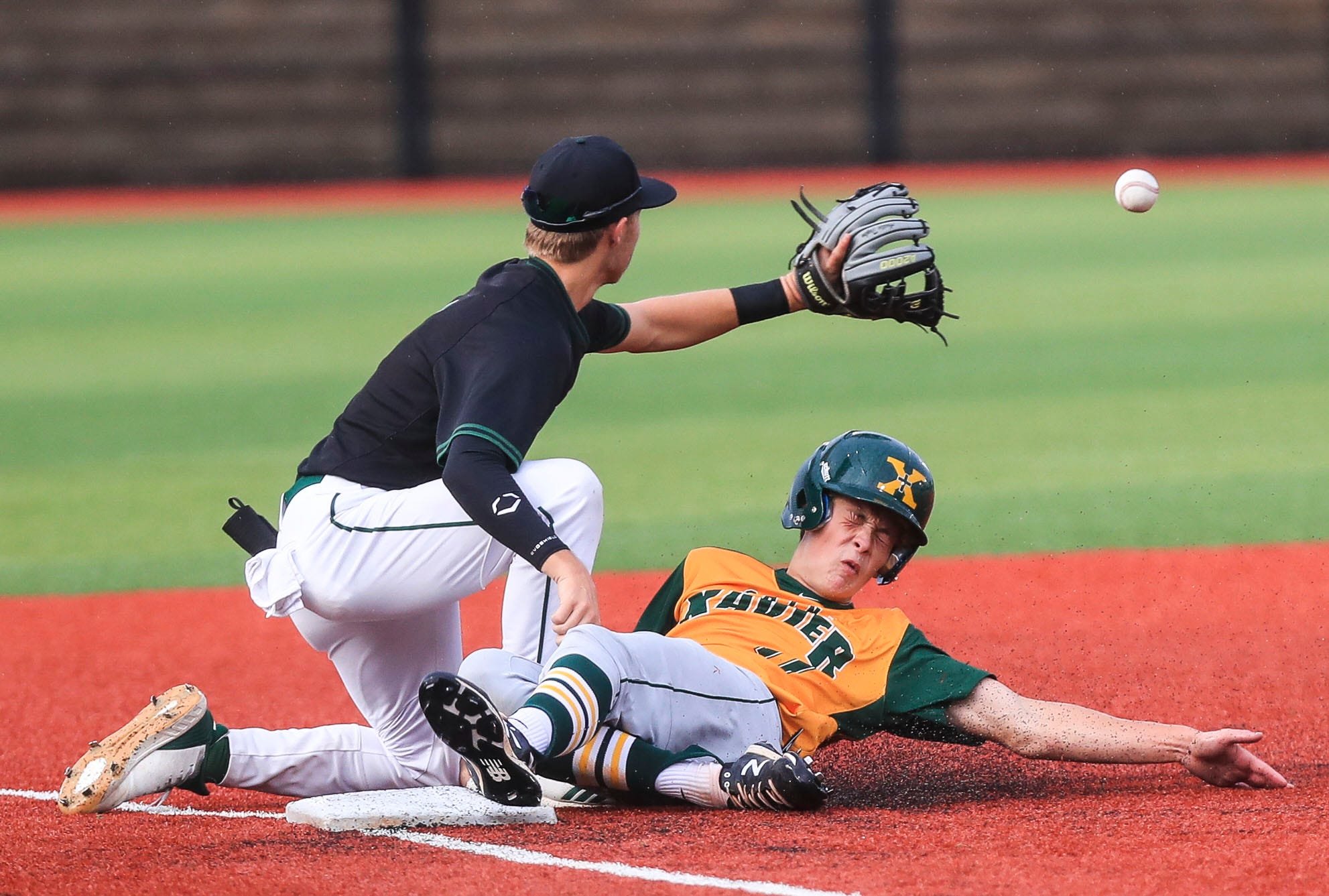
High school baseball games typically last around 2 hours, but can vary depending on factors like extra innings or pitching changes.
Ever wondered just how much time you’ll need to set aside to catch your local high school baseball game? It’s a common question, especially for busy parents and fans. Knowing how long are high school baseball games helps with planning your schedule around these exciting events.
Game length isn’t set in stone; various circumstances can impact the final time. Some games move quickly, while others go to extra innings. Pitching changes and injuries can also contribute to the clock.

How Long Are High School Baseball Games?
Okay, let’s dive into the exciting world of high school baseball and one of the questions that often pops up: “How long are those games, anyway?” It’s a fair question! Unlike some sports with set clock times, baseball games can be a bit more unpredictable. The length can vary, and there are several reasons why that is the case. This isn’t like basketball with its four quarters or football with its timed halves. Baseball operates on a different system, which can sometimes feel a bit mysterious if you’re new to the game or just trying to plan your afternoon. Let’s break down everything that affects how long a high school baseball game typically takes.
The Standard Length: Seven Innings
The core of a high school baseball game is the seven innings. Yes, that’s right, seven! This is the standard length, and most games will follow this rule. Each inning has two halves: the top where one team is at-bat (trying to score runs) and the bottom when the other team gets their chance. When you hear “top of the first” or “bottom of the fifth,” that refers to these halves of an inning. Now, before you think, “Oh, seven innings, easy!”, it’s important to remember that how long those innings take can dramatically differ. Sometimes they fly by, other times they can drag on. But the base rule is that the game is completed after 7 innings have been played or when a team has more runs than the other team at the completion of 7th inning.
Factors That Influence Game Time
While the seven-inning structure is the foundation, several things can cause a game to run shorter or longer. Understanding these factors is key to anticipating the actual length of a game. Here are some of the big ones:
The Pace of Play
One of the biggest influences on game length is how quickly the players move between plays. This isn’t about sprinting fast around the bases. Instead, it is about the time between pitches. Pitchers who work quickly get the ball back and are ready to throw, making the game move at a brisk speed. If a pitcher takes a lot of time before each pitch, or if batters step out of the box frequently, this can slow down the game considerably. Similarly, if the fielders are slow in returning the ball to the pitcher, it can also add time to the game.
Number of Hits and Walks
Offense is a major time factor. If both teams are hitting well, that means more baserunners, more time at-bat, and more runs scored. This translates into longer innings and a longer game overall. Lots of walks, when a batter goes to first base automatically because the pitcher throws four balls outside the strike zone, will also add time to the game. Each walk requires the batter to go to first base, and potentially for other baserunners to advance, and this adds more time to each inning. Similarly, if there are many hits, the ball is put into play frequently. This results in a longer game.
Pitching Changes
Sometimes, a coach will decide to change pitchers. Each change takes a little time as the outgoing pitcher walks off the mound and the new pitcher gets ready. If there are multiple pitching changes during the game, that can add significantly to the overall length. A pitcher’s visit to mound by his coach also increases the game time.
Errors
Errors can also prolong game time. When a fielder makes a mistake, such as misplaying a ball or making a bad throw, runners can advance on the bases. This means the inning continues as those runners try to score. It also requires the game to stop so the players can regroup. Errors often involve multiple plays, increasing the game time.
Weather Delays
Let’s not forget about the weather! Rain can bring a game to a halt, sometimes for a few minutes, sometimes for hours. If it rains hard enough the game will need to be postponed. In some cases, games may be moved to another field or rescheduled entirely because of weather delays. The weather is a major factor that can affect the length of baseball game.
Injuries
If a player is injured, the game needs to stop. Players need to be attended to. This is a safety issue. If an injury is serious it can result in a longer break in the action, increasing the length of time the overall game will take.
Typical Time Ranges for Games
Given these factors, high school baseball games rarely have an exact, predictable length. However, we can talk about typical time ranges. Most games will fall somewhere in the following ranges:
- The Short End: A game with a fast-paced tempo, minimal hitting, few pitching changes, and no major delays can be completed in approximately 1 hour and 45 minutes.
- Average Game Length: Most high school baseball games will last between 2 and 2 1/2 hours. This range assumes some hitting, a few pitching changes, and maybe a brief pause or two.
- Long Games: When there are a lot of hits, errors, pitching changes, or weather delays, the game can last much longer, sometimes exceeding 3 hours. These games can involve high scoring innings, many errors, many walks, and multiple pitching changes. These usually turn out to be very close games.
Extra Innings
Just like with professional baseball, there can be extra innings. If the score is tied after seven innings of play, teams play additional innings until one team has more runs than the other team at the end of a full inning. Extra innings can add a significant amount of time to the game, depending on how long it takes to determine a winner. Sometimes, multiple innings can be played, extending the game beyond the average length. Extra innings can extend a game significantly.
Mercy Rule
Many high school leagues have a “mercy rule” or “run rule.” This rule is designed to shorten games that have become very one-sided. When one team is winning by a large amount of runs, the game ends before the full seven innings. This rule is put in place to prevent the games to run unnecessarily long. The specifics of the rule can vary by league, for example, a team might need to be winning by 10 or 15 runs after 5 innings. The run rule also helps prevent teams from being discouraged when the score becomes a one-sided blowout. When a run rule is applied, it drastically shortens the game.
How to Prepare for Game Day Length
Knowing that game lengths can vary, how can you be ready? Here are some things to keep in mind:
- Check the Schedule: Always check the official schedule for any changes. There might be notes about doubleheaders (two games back-to-back).
- Plan for Extra Time: When planning, it is better to err on the side of extra time. Plan for a 3-hour window to see a complete game without rushing. You might be happily surprised to be finished earlier, but this prevents any stress about being late for something later.
- Pack Accordingly: If you are going to a game as a spectator, bring essentials. Sunscreen if it is a day game. Drinks and maybe snacks. If it’s colder, a jacket. And it is always a good idea to bring a comfy seat or cushion. Remember that you might be spending several hours sitting or standing.
- Be Flexible: Finally, be ready for anything! Baseball can be unpredictable. Sometimes, an unexpected shower can make games go longer or be canceled. Having some flexibility in your schedule is always a plus.
Understanding Time in Baseball
In many ways, baseball’s lack of a strict time clock is part of its charm. The game can be affected by the flow, the strategy, the individual moments that make each game unique. It’s not about the time, but the story that unfolds over the innings. It’s a marathon, not a sprint. And the length of the game is only part of that journey.
A Quick Recap
To summarize, a typical high school baseball game is scheduled for seven innings, but several factors can change the actual time it takes. These factors include the pace of play, how much hitting occurs, the number of pitching changes, errors, weather delays, and injuries. Most games will fall into the 2 to 2 1/2 hour range but can be shorter or longer. Remember that there is also a possibility for extra innings. The run rule also helps the game to be shorter. Planning and flexibility is key in enjoying high school baseball games. So, sit back, relax, and enjoy the great American pastime!
FARTHEST Home Runs In High School Baseball
Final Thoughts
High school baseball games typically last around seven innings. The precise duration varies slightly based on factors like pitching changes and delays. Extra innings occur if the score remains tied after seven.
Therefore, games can extend beyond the typical two-hour window. So, how long are high school baseball games? Plan for roughly two hours but understand that game length is not always fixed.

