
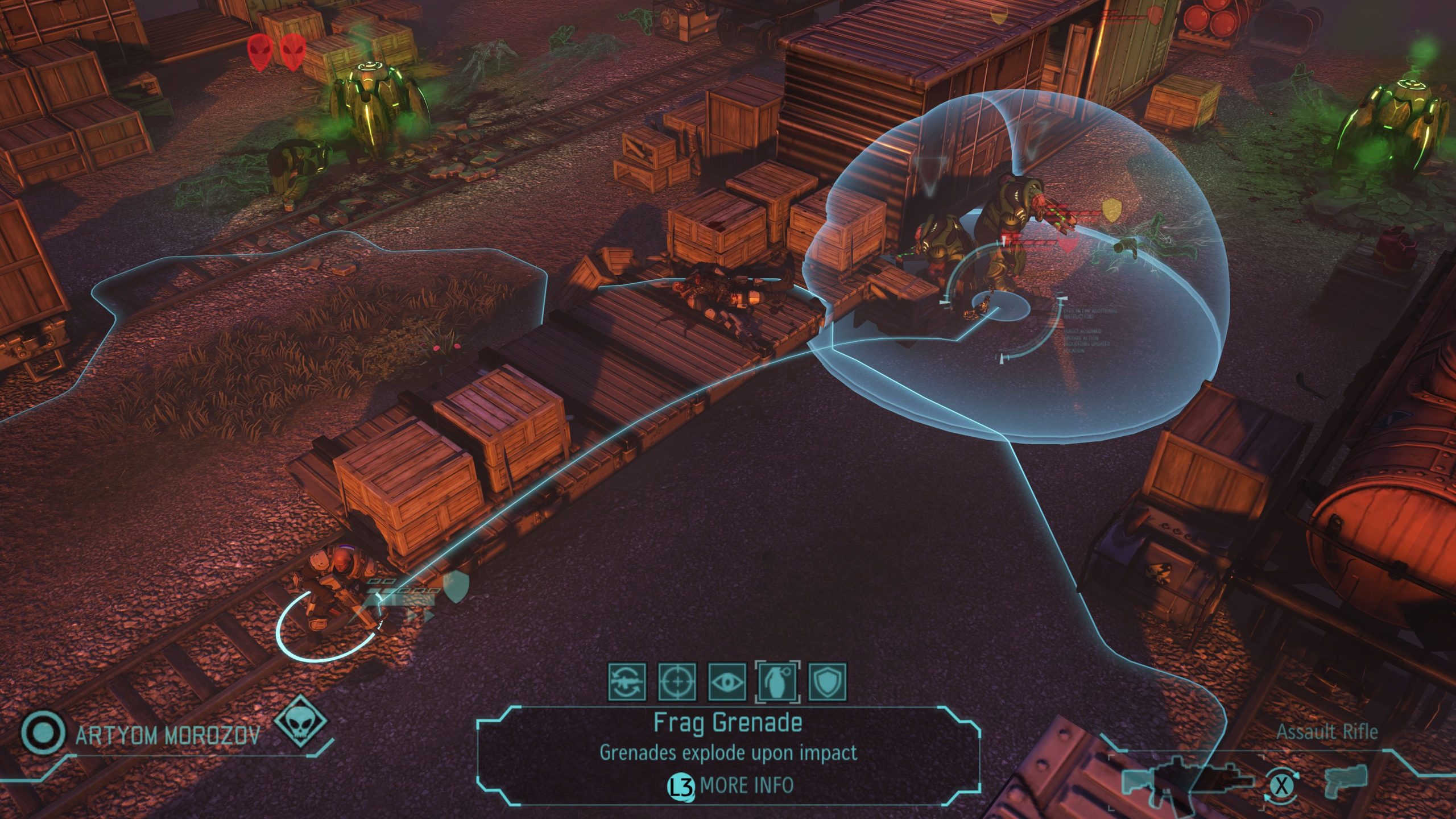
A turn based game is a game where players alternate actions sequentially, rather than simultaneously.
Have you ever played a board game, pausing to let each person take their go? That same idea is at the heart of what is a turn based game. Players wait for their turn to strategize and act before the next player gets their chance. This differs greatly from real-time games.
It’s a structure that emphasizes thought and planning, rather than fast reflexes. These games allow for deep tactical considerations since there is no time pressure from other players doing something simultaneously. So, you have time to think about your next move.

What is a Turn Based Game?
Have you ever played a game where you have to wait your turn? That’s probably a turn based game! Unlike games where everyone plays at the same time, like a race car game or a soccer match on your screen, turn based games let players take their actions one after another. Think of it like taking turns sharing a favorite toy with your friend, each of you gets to play with it for a while before passing it on.
The Core Idea: Taking Turns
At its heart, a turn based game is all about sequence and strategy. Instead of everyone acting simultaneously, like in real life, the game gives each player a chance to make their move. This is super important because it lets you think about what you want to do next without feeling rushed. You can plan your steps carefully, try to figure out what your opponent might do, and come up with clever ways to win. It’s kind of like a chess match, but turn based games come in lots of different styles, from board games to video games. This concept is often referred to as turn-based mechanics.
Why are Turns Important?
The turn-based format changes how a game feels and plays. Because you are not playing at the same time, you need to think carefully and make your decisions carefully, here are the key aspects:
- Planning Time: Since you have time, you can look at the game board, your own character or team, and your opponents. This planning is very important. You are able to take more strategic moves because you have the luxury of time to think.
- Strategic Thinking: Because of the time provided, games promote deep thinking. You are encouraged to think of a good strategy to ensure your success, taking into account every variable.
- Less Chaos: Some games can get really chaotic, but turn-based games are usually not like that. Since players go one at a time, everything is clear and easy to follow. You can focus on what is happening without the need to react to everyone at once.
- Accessible Gameplay: Because there isn’t much pressure to respond very quickly, people who may find real-time games too difficult can join in and enjoy these turn-based games. The relaxed pace makes them accessible to many.
Types of Turn Based Games
Turn based games can take different forms. It’s not just one kind of game. Here are some examples you might see:
Turn Based Strategy Games
These are games where you manage big things like armies, cities, or even entire planets. You need to think long term and make choices that can impact your game, some examples include:
- Civilization Series: Build a civilization from scratch and guide them through history. You will decide what research to do, where to build, and how to treat other civilizations.
- XCOM Series: Lead a team of soldiers to fight aliens. You have to manage your base, research new technologies, and make smart choices during battles.
- Heroes of Might and Magic Series: Control heroes and armies to fight against other fantasy forces. You explore the world and capture resources and develop your kingdom.
Turn Based RPGs (Role Playing Games)
In these games, you play as a character and go through an adventure. Combat in these games usually happens on a turn-based format which gives you time to think before acting.
- Final Fantasy Series: Go on epic adventures with a group of characters and fight monsters and villains by taking turns. You will pick your moves in each turn, making each combat feel like a strategic puzzle.
- Pokémon Series: Train and battle with your Pokémon, deciding which move to use each turn. The element system adds another layer of depth to the combat.
- Divinity Original Sin Series: Explore a rich world and battle with a group of heroes, using the environment to your advantage during each turn. These games often involve many choices that can change your story.
Tabletop Games and Turn Based
Many tabletop games are turn based too, giving you time to plan your moves with your friends or family. Here are some common examples:
- Chess: Each player moves pieces on the board according to the rules, taking one turn after another to try to outsmart each other.
- Checkers: Similar to chess, you move your pieces one after the other to try and capture your opponent’s pieces.
- Many Card Games: Many card games also have turn based format. For example, in some games, each player takes turns playing cards or drawing cards.
- Board games: Many board games, such as the ones listed, often use a turn-based system. Players move pieces on the board, collect resources, or perform actions in a specific order.
Key Elements of a Turn Based Game
Certain things usually make a game a good turn based game. Let’s see some of these:
Action Points or Movement Points
Many turn-based games use a system where players have a limited number of “points” to use in their turn. You might have action points for things such as shooting, moving, or using special abilities. This system pushes players to make tough decisions of how to use their points each turn.
Grid or Tile-Based Movement
Many turn-based games have a map broken up into small squares or tiles. This makes it easy to understand how far your characters can move each turn. It also makes the game clearer and more strategic, as you calculate your position carefully.
Strategic Decision-Making
Turn based games push you to think deeply about your actions. Instead of quick reflexes, you have to think about strategies. This means looking ahead, thinking about possible outcomes, and making smart choices. Planning each turn can mean the difference between winning and losing.
Character Progression and Customization
Many turn-based games let you grow your characters as you play the game. You might be able to improve their skills, find powerful items, or learn new abilities. The ability to choose how your character grows adds replayability.
Why People Like Turn Based Games
Many players enjoy turn-based games because they offer a different type of experience than real-time games. Here are a few reasons:
- Relaxing Pace: The ability to take your time and think during your turn can be really calming and a lot of players enjoy a more relaxed approach to gaming.
- Strategic Depth: Players who like to think and plan a lot enjoy the strategic depth offered by turn-based games. They love to come up with plans to ensure they win the game.
- Accessibility: Turn based games are accessible to a lot of players, including players that may have trouble playing games where you need fast reflexes.
- Rewarding Gameplay: Many players love turn-based games, because their strategies can lead to success and they feel good about that. This can be very satisfying.
Comparing Turn Based to Real Time Games
Turn-based and real-time games provide different gaming experiences. It’s like comparing a careful walk to a fast run. Here’s a simple table to explain the main differences:
| Feature | Turn-Based Games | Real-Time Games |
|---|---|---|
| Pacing | Slower, more deliberate | Fast-paced, action-oriented |
| Decision-Making | Strategic, thoughtful | Quick, reactive |
| Pressure | Lower pressure, time to plan | Higher pressure, need for quick response |
| Accessibility | More accessible to new players and those who may not have fast reflexes | Can be challenging for those with slower reflexes |
Evolution of Turn Based Games
Turn-based games have been around for a long time. They’ve evolved from simple board games to very complex computer games. Let’s look back at some important moments:
Early Board Games
Games like chess and checkers were some of the first turn-based games. They demonstrated how complex strategy can emerge from simple rules. These games continue to be popular because of their easy-to-understand format and deep strategic possibilities.
Tabletop Role-Playing Games
Games like Dungeons & Dragons introduced turn-based combat that influenced many video games. In this format, players would take turns describing their actions to the game master who would explain the consequences. This added more creativity and storytelling to turn-based play.
Early Video Games
Early video games used turn-based mechanics because of technological limits, they didn’t have the power to do things like they do today. But this also created a lot of great games. Games like early Final Fantasy and other classics are considered some of the best turn based games of all time.
Modern Turn Based Games
Modern turn-based games use new technologies to do a lot of cool things. They have beautiful graphics and deep stories. They also incorporate modern mechanics, like combining action with strategic planning, which keeps gameplay fresh and exciting. These games push the boundaries, showing that turn-based gameplay is both timeless and continuously evolving.
Examples of Popular Turn Based Games
Let’s take a closer look at some very popular turn based games.
- Civilization VI: A classic strategy game where you guide a civilization through history. You must make very careful decisions to ensure your success.
- Divinity: Original Sin 2: An RPG that has a lot of player choice. It has very deep combat and lots of exploration.
- Persona 5 Royal: A stylish RPG that mixes school life with dungeon exploration. You control students who have special powers.
- Slay the Spire: A roguelike deck-building game that is very addictive. It makes you think in every turn, because you are trying to make the best decision possible.
- Fire Emblem: Three Houses: A tactical RPG that blends social interaction with strategic battles, which has been loved by many players across the world.
Tips for Playing Turn Based Games
Here are a few tips to get better at turn based games:
- Take your time: Don’t feel like you need to rush. Since turn-based games give you time to plan, think carefully about what you want to do.
- Learn the rules well: Understanding the rules of the game will help you play much better. Pay attention to your characters’ and your opponent’s weaknesses.
- Plan ahead: Try to look at a few turns ahead to predict how your opponent will move and come up with a counter strategy.
- Experiment: Don’t be afraid to try new strategies and experiment with different characters and abilities.
- Don’t give up: Even if you are losing, every turn is a chance to learn. Keep trying and you’ll get better!
The Future of Turn Based Gaming
Turn-based games have a long history and a bright future. Many game developers are making new, exciting games that have unique gameplay and new mechanics. We can expect more innovative experiences in the turn-based genre.
The simplicity and strategic depth of turn based games make them timeless. They let players use their minds and relax while doing so. This is why turn-based gaming will continue to grow.
In summary, turn based games are a great way to have fun and also use your mind. They offer strategic depth that makes them both challenging and enjoyable to players of all ages.
Is Turn-Based Combat Outdated?
Final Thoughts
In essence, a turn based game operates with players taking their actions sequentially. This system contrasts with real-time play. Players strategize and make decisions when it is their specific turn.
The core of what is a turn based game lies in its structured gameplay. Every participant gets their chance, fostering careful planning. This methodical approach creates a different style of game experience compared to action-oriented styles.

