
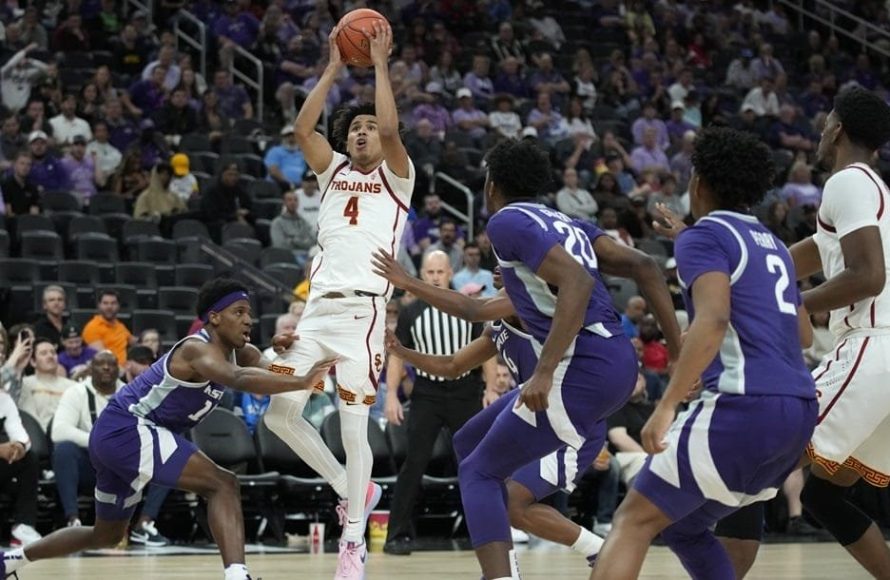
The typical length of a men’s college basketball game is 40 minutes, divided into two 20-minute halves.
Ever wondered how long are mens college basketball games? It’s a common question for both new fans and seasoned viewers alike. The pace of the game often leaves you wondering about the exact duration.
This fast-paced action can make time fly, so understanding the structure helps you plan accordingly. We will explain the game’s timing, including any breaks that affect the total watch time.

How Long Are Men’s College Basketball Games?
So, you’re a fan of college basketball, huh? Maybe you’re new to the game, or maybe you’re just curious about how long you’ll be glued to your seat watching the action. Well, you’ve come to the right place! Let’s dive into the nitty-gritty of game lengths in men’s college basketball. It’s not always as straightforward as you might think, and there are a few factors that can influence the total time. But don’t worry, we’ll break it all down nice and easy.
The Standard Game Clock
The foundation of every men’s college basketball game is its regulation playing time. Unlike the professional NBA, which has 12-minute quarters, college basketball games are divided into two halves, each lasting 20 minutes. This means a standard college game has a total of 40 minutes of playing time. This is crucial to understand the total game length, as this sets the basis for everything else. But remember, this is just playing time, not the overall time spent in the arena or in front of your screen.
Halftime Break
Just like in other sports, there’s a break in the middle of the game. After the first 20 minutes are up, teams head to their locker rooms for a 15-minute halftime. This gives players a chance to rest, coaches to strategize, and fans a chance to grab a snack or use the restroom. The halftime period adds to the total time it takes to complete the game, and it’s not included in the official playing time of 40 minutes. The halftime is a fixed length of 15 minutes, no matter how the game progresses, whether the game is fast-paced or not.
Time-Outs
Now, things get a little more interesting. Time-outs are a normal part of any basketball game. They can be called by the coaches or by the players while the ball is in their possession. A time-out will stop the clock. In men’s college basketball, each team gets a certain number of time-outs per game. These are usually 3 full time-outs that are 60 seconds and 2 shorter ones that are 30 seconds, although this can vary depending on the league or conference rules. It also depends on the media time-outs, usually called by the broadcaster. The number of time-outs can vary by rules of different tournaments. These time-outs can greatly affect the game’s overall length, adding precious minutes that go above the 40-minute standard playing time. Especially in close games, teams strategically use these time-outs for their benefit, which can add more to the overall game length.
Fouls and Free Throws
Fouls and free throws also add time to the game. When a player commits a foul, the game clock stops, allowing the referees to administer the appropriate free throws. Depending on the type of foul, the player might get one or more shots to score points. Especially in the last few minutes of the game, when teams often foul intentionally to stop the clock and get the ball back, this can considerably lengthen the game. Each free throw stop the clock and adds seconds, and these seconds can add up to several minutes in a game, especially in high-intensity matchups.
Injuries and Other Stoppages
Unfortunately, injuries are a part of the game. If a player gets hurt during play, the game will be stopped for the player to be evaluated. Depending on the severity of the injury, the stoppage might take a few minutes or even more if they need to be taken off the court. Other things can also cause game stoppages like an issue with the clock, a problem with the basketball hoop, or a dispute between referees and players. These interruptions are unpredictable and they add to the total game time.
Overtime Situations
Sometimes, the score is tied at the end of regulation. When this happens, the game goes into overtime. Overtime in college basketball is usually a five-minute period. The number of overtimes possible is theoretically unlimited, that means it will continue until someone wins. These additional periods can quickly increase the total time. If a game goes into multiple overtimes, you can be looking at a much longer experience than the typical time. Each overtime period is like a mini-game, and it comes with its own time-outs and fouls that stop the clock. The excitement of an overtime game certainly is a plus for fans, but this can be a big time commitment.
TV Timeouts and Commercial Breaks
For games that are broadcast on TV, you can expect a good amount of time spent on commercial breaks. These breaks are built into the game and add to the overall length. Television broadcast has a major effect on the length of games, because broadcasters can ask for commercial breaks at specific points in the game. These media time-outs help the broadcasters make profit and it can lengthen the game. The frequency of TV timeouts can vary depending on the network and importance of the game. Sometimes games that are broadcast on streaming services might not have these media timeouts, but sometimes even they have. But most of the time you’ll find that the majority of national television broadcasts feature multiple TV time-outs, adding extra minutes to the total time of the game.
The Effect of Game Pace
The pace of a game can have a big effect on how long it takes to complete. A fast-paced game with lots of scoring and fast breaks will likely have more stops in play because of fouls, turnovers, and scoring. On the other hand, a slower-paced, more deliberate game might have fewer breaks. This means that the total time will not only be based on the clock but on the nature of the game itself. There is no saying what the pace of a game will be at the beginning, as these things are dependent on how the players and coaches choose to play the game. Each coach has his own playing styles which can have effect on game pace.
Typical Game Length in Real Time
So, considering everything we’ve discussed, how long does a men’s college basketball game actually take in real-time? While the official playing time is 40 minutes, the total time of a college basketball game is often much longer. If you add the 15 minutes of halftime, the time-outs, stoppages for free throws, and an injury or two, the average game can easily last two hours or more. And if there is an overtime, that’s more time being added to the game. It’s important to keep in mind that these are estimated times, and some games can go a lot shorter or longer, depending on all the factors. Sometimes you have a quick blowout that can run faster while other times a very close game will run longer. But on average, planning for a two-hour time period is generally a good estimate.
Factors Affecting Game Length
Let’s have a recap of all the factors that influence the total game time. As we have discussed them before, they can greatly influence the game time.
- Game Clock: The foundational 40 minutes of playing time (2 halves of 20 minutes).
- Halftime Break: A fixed 15 minutes.
- Time-outs: Variable, depending on how many each team uses, in addition to TV timeouts.
- Fouls and Free Throws: Adds more time as the clock stops and more time for free throws.
- Injuries and Other Stoppages: Unpredictable, but they add time when they occur.
- Overtime: An extra 5 minutes, or more if multiple overtimes occur.
- TV Timeouts: Adds to the game for broadcast breaks.
- Game Pace: How fast or slow a game is can also influence time.
Understanding the Flow of a Game
Understanding what typically happens during a men’s college basketball game can also give you a better idea of how the time is spent. The first half often starts with a lot of intensity, but the pace can vary depending on how the teams play. You will see that most of the time the second half is much more tense, as the game is nearing the end, which can lead to more fouls, free throws, and time-outs being called. The last few minutes of the game can take longer because teams will be playing to their maximum capability, with intentional fouls being called and the clock being stopped frequently.
How Different Tournament Play Can Affect Time
The length of a game might also vary depending on the tournament. In large tournaments like the NCAA Tournament (March Madness), games tend to have a more standard time because the number of TV timeouts is much higher than normal. As more eyes are on the tournament, the broadcasters will require more advertising time, which can be reflected in the game length. On the other hand, regular season games might have less interruptions, but still follow the same rules. The time might also be based on whether the game is nationally broadcasted or a local game. For example, a game on ESPN might be a little longer than a game only available on a local network.
Tips for Planning Around Game Times
Now that we have a solid understanding of how long the games can last, let’s talk about some practical tips for when you’re planning to attend or watch a game. If you are going to the game, make sure to plan for at least two hours, but maybe three just to be safe. Arrive early so you have time to settle down and get comfortable. If you are watching on tv, make sure to keep some time aside, so you don’t miss any of the action. Plan your meals accordingly, you don’t want to miss a crucial moment just to grab some food. If you are attending with friends, make sure to communicate the timings beforehand so everyone is on the same page.
In summary, while the core of a college basketball game is 40 minutes, the total real-time duration is much longer, typically ranging from two to two and a half hours or sometimes even more if overtime comes into play. Keep all the influencing factors in mind when estimating how long the game is going to last, and plan accordingly, whether you are watching from the comfort of your home or at the venue. Being aware of these factors will enhance your experience of watching the game and also help you manage your time better.
Pittsburgh Panthers vs. Duke Blue Devils | Full Game Highlights | ESPN College Basketball
Final Thoughts
So, how long are mens college basketball games? They consist of two 20-minute halves. The game clock stops for various situations. These include fouls, timeouts, and out-of-bounds plays.
A typical game, factoring in these stoppages, usually lasts around two hours. Keep in mind that overtime periods add time. These periods are five minutes each. Therefore, if you want to know how long are mens college basketball games, plan for at least two hours.

