
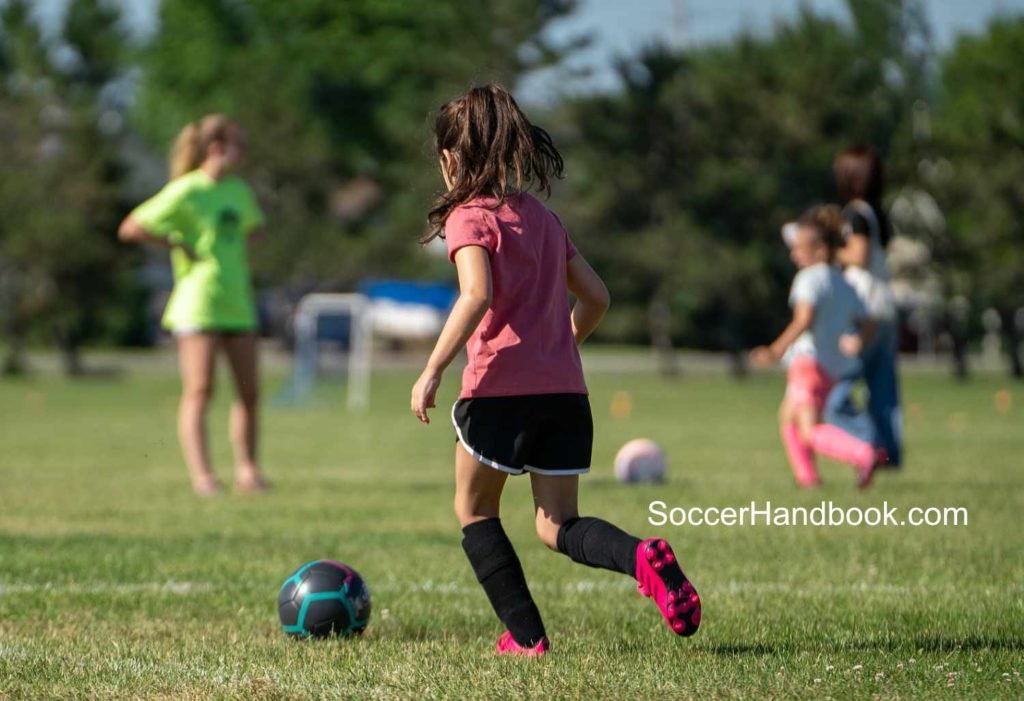
The typical length for U14 soccer games is 70 minutes, divided into two 35-minute halves.
Ever wondered how long those exciting U14 soccer matches last? It’s a common question for parents and young players alike. Understanding the game’s duration helps with planning and knowing what to expect during a match.
So, when we talk about how long are u14 soccer games, we are referring to the specific amount of playing time involved. This is different than the total time spent at the field when you factor in warm-up and halftime. Typically these games run for a little more than an hour.

How Long Are U14 Soccer Games? A Complete Guide
Okay, so you’re curious about how long those exciting U14 soccer games last? You’ve come to the right place! Knowing the game duration is super important for players, coaches, and all the cheering fans in the stands. It helps everyone plan their day and make sure they don’t miss any of the action. Let’s dive deep into the world of U14 soccer and find out the exact time you can expect to be on the sidelines, watching some awesome plays!
Standard U14 Game Length
Typically, a standard U14 soccer match has two halves. Each half runs for 35 minutes. That means the total playing time for a U14 game is usually 70 minutes. However, there’s a little more to it than just those numbers. Let’s explore the full picture of how time is handled during a U14 match. This can be different from what you see at younger ages or at the professional level, so understanding the details can be very helpful. For instance, a U10 or U12 team would have shorter game times, whereas at the professional level, game times run for longer durations.
Halftime Break
Between the two 35-minute halves, there’s usually a break called halftime. This rest period allows the players to catch their breath, grab some water, and listen to their coaches’ tactical talk. Halftime for U14 games is generally 10 to 15 minutes long. This gives everyone a chance to regroup before heading back onto the field for the second half. It’s also a great time for fans to visit the snack bar!
Understanding Injury Time (Stoppage Time)
You might hear people talk about “injury time” or “stoppage time.” This is the extra time that the referee adds at the end of each half to make up for any time lost during the game. Things like injuries, substitutions, or other delays might cause the clock to stop momentarily. The referee keeps track of this time and adds it on. So, the total time a game runs can sometimes be longer than the regular 70 minutes. It’s not always easy to predict how much stoppage time will be added, as it depends entirely on what happens during the game.
Factors Influencing Game Length
While the standard game time is 70 minutes plus stoppage time, it’s good to know that different factors can sometimes affect the overall game duration.
League Rules
Different soccer leagues can sometimes have slight variations on game lengths and rules. It’s always a good idea to double-check the specific rules of your league or tournament. Some tournaments might have different game times, especially during the knockout rounds, where some games could go straight to a penalty shoot-out, while others might have extra time periods. Most local recreational leagues usually have the standard 35-minute halves, but checking your local guidelines will provide certainty.
Tournament Play
When U14 teams play in tournaments, the game format can sometimes vary. Some tournaments may shorten game times to get through all the matches needed, especially in group play. Other tournaments may follow the standard 70-minute match, but may introduce extra periods if the game is tied at the end of regulation time. This could be two five or ten-minute periods, followed by penalty kicks if required.
Weather Conditions
Bad weather can also influence how long a game lasts. In cases of extreme heat or heavy rain, the game could be shortened or paused for player safety. Sometimes, if a match is stopped because of weather issues, the game will be rescheduled for another day. If the weather is only slightly bad, the referee might decide to take a short water break in each half rather than cutting time off the match.
Referee Decisions
The referee also plays a role in the game’s time management. Besides adding injury time, the referee can also influence the flow and pace of the match. They have the authority to stop the clock for specific reasons and enforce the rules. A well-managed game will generally run efficiently and closely to the allocated time. This ensures that players can compete effectively without significant disruptions.
Game Time Breakdown: An Example
Let’s look at a typical U14 soccer game and break down the time elements:
- First Half: 35 minutes
- Halftime: 10-15 minutes
- Second Half: 35 minutes
- Potential Stoppage Time: Usually a few minutes, but can vary.
So, a standard U14 game is about 80-85 minutes long with stoppage time and halftime. Knowing this helps in planning for travel to and from a game. It also helps in ensuring that there’s enough time for warm-ups and post-game debriefs. This time period may change slightly based on several factors, as previously mentioned, but this generally is the standard for all matches.
Why is the Length of U14 Games Important?
The length of U14 soccer games is carefully chosen to suit the age and development of the players. It’s not just about playing for a set number of minutes. Here’s why the time matters:
Physical Development
At 13 and 14 years old, players are experiencing significant growth spurts. The 35-minute halves allow them to challenge themselves physically without being overtaxed. This time frame balances the need for good physical exertion with the necessity to avoid strain and injury, meaning players can compete effectively and get the required workout without being too tired at the end of the game.
Skill Development
The 70 minutes of game time allows players to practice and implement skills and strategies they have been learning. It gives them the chance to try different positions, understand team dynamics, and make good decisions under pressure. It provides a great way for them to learn in real-game conditions. This time allows them to experiment and find new techniques that could benefit their overall game performance.
Mental Focus
Maintaining mental concentration for an extended period is important for soccer players. The game’s length also helps young players develop their concentration span. It provides opportunities to learn to focus for a longer duration. This is a skill that will benefit them not just in soccer but in life as well. Games that are too long would be difficult to focus on, whilst games that are too short would not have the same training benefit.
Game Strategy
The game time helps coaches teach effective strategy and make in-game adjustments. The game’s length is sufficient for the coaches to teach basic tactical thinking and allows the team to implement that thinking. The teams can learn to work together and adapt in real-time. It is enough time to see strategies develop or fail, allowing players and coaches to gain valuable experience from each game.
Comparing U14 Game Lengths to Other Age Groups
It is important to compare the game lengths for other age groups as well, as this shows how soccer development is managed:
U10 and U12 Soccer
Younger players at the U10 and U12 levels have shorter game times, often 25-30 minutes per half. This shorter length recognizes the fact that their physical capabilities and attention spans are still developing. Therefore, keeping the game lengths shorter prevents injuries and allows them to concentrate fully on the skills needed.
High School Soccer
High school soccer games are often longer than U14 games, usually with 40-minute or 45-minute halves. These increased playing times align with the players’ enhanced physical condition and maturity. The longer game times allow for more complex tactical plays and are more akin to the game time at the professional level.
Professional Soccer
Professional soccer matches consist of two 45-minute halves, totaling 90 minutes of playing time. This shows how game times get progressively longer as players reach higher skill and fitness levels. This helps them handle the physical and mental demands of the game. The 90-minute time limit is fairly common throughout the professional levels of the game.
Making the Most of Game Time
As a player, coach, or fan, you can make the most of game time by knowing the typical game length. Here are some ways to benefit from it.
Players
- Warm-up Properly: Players should warm up thoroughly before the match to prepare their bodies for the 70-minute game.
- Stay Hydrated: Players should drink plenty of water and take advantage of halftime to rehydrate.
- Focus and Communicate: Keep concentration throughout the game. Communicate effectively with your teammates.
- Learn from the Game: Use the time as a learning experience to improve your game skills.
Coaches
- Plan Effectively: Plan your training sessions to get your players ready for the 70-minute game.
- Make Strategic Substitutions: Change players if necessary so that they can play effectively.
- Use Halftime Wisely: Give constructive feedback and prepare your team for the next half.
Parents and Spectators
- Plan Travel: Make sure to get to the game on time, knowing how long the game is scheduled to last.
- Be Supportive: Cheer on the players positively and encourage them.
- Enjoy the Game: Appreciate the skill and effort that the players put in during the game.
Tips for Game Day Preparation
Here are some useful tips to prepare for game day, making sure you have a positive and well-managed experience:
- Check the Schedule: Always confirm the exact game time and location in advance.
- Arrive Early: Arriving early allows players to prepare thoroughly and allows spectators to get comfortable.
- Pack Essentials: Be sure to pack enough water, snacks, and other items needed for a day at the game.
- Dress Appropriately: Check the weather and dress accordingly. Bring warm clothes or rain gear, if necessary.
- Be Ready for Changes: Be flexible for any possible changes in schedule or game length due to unforeseen circumstances.
Knowing how long U14 games last is useful for everyone involved. From players to coaches to spectators, it helps everyone prepare appropriately and enjoy a full day of exciting soccer action.
With all of this information, you are now a well-informed expert on the length of U14 soccer games. You know that they usually consist of two 35-minute halves, with a 10 to 15-minute break at halftime, along with some potential stoppage time at the end. You can now properly plan your soccer weekends and get ready to support the team. And, you’ll also be able to keep track of the action on the field with greater precision and confidence.
La Roca TC vs Colorado Hawks – U14 Tournament Soccer
Final Thoughts
U14 soccer games typically last 70 minutes, divided into two 35-minute halves. A brief halftime break separates the halves. This is the standard playing time for most leagues and competitions at this age level.
Variations exist, but these are not common. These exceptions depend on local rules or tournament guidelines. Remember to always check with specific league organizers for precise game duration.
Therefore, the answer to ‘how long are u14 soccer games’ is generally 70 minutes. Keep this timing in mind when planning game day schedules.

