
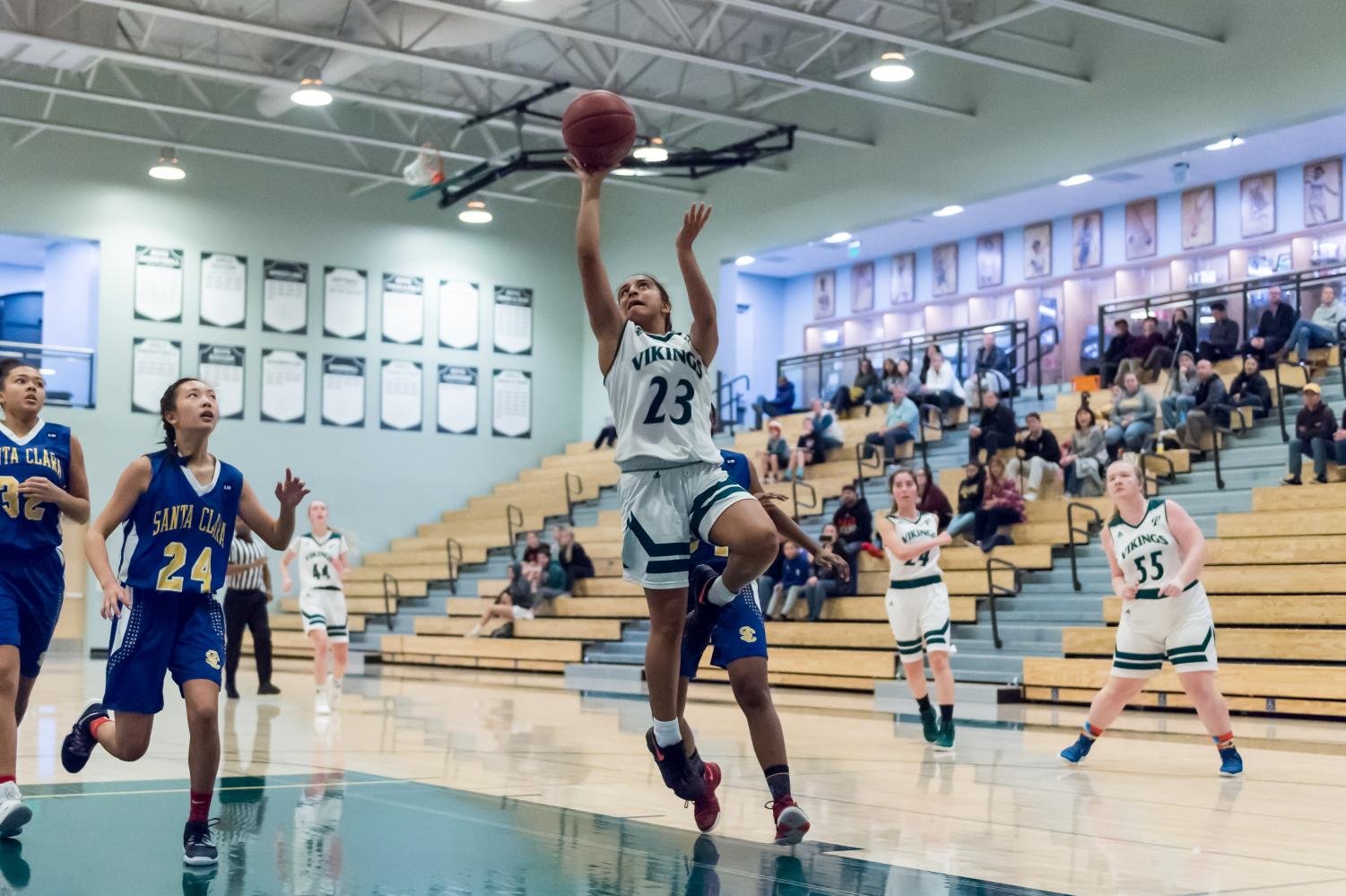
Varsity basketball games typically last 32 minutes of playing time, divided into four 8-minute quarters.
Ever wondered how long the action on the court truly lasts? Many people ask, “how long are varsity basketball games?” It’s a fair question, especially if you’re planning to attend or just curious about the sport.
The game clock actually only runs when the ball is in play. This can vary somewhat based on timeouts, fouls, and other stoppages, affecting the total time a game takes.

How Long Are Varsity Basketball Games?
Ever wondered how long a varsity basketball game actually lasts? It’s a question many fans and players have, and the answer isn’t always as simple as one number. While there’s a set time for the game itself, things like timeouts and breaks can make the total time a bit longer. Let’s break down what goes into figuring out just how long you’ll be watching the action on the court.
The Standard Game Clock: Four Quarters of Play
The heart of a varsity basketball game is the game clock, which typically runs for four quarters. But the length of each quarter isn’t always the same. The most common setup you’ll see in high school varsity games involves:
- Eight-minute quarters: In many states and for many high school leagues, each of the four quarters runs for 8 minutes. This means the total playing time is 32 minutes.
- Other Quarter Lengths: While 8-minute quarters are common, you might find other quarter lengths in some places. Some high school leagues may use 6-minute quarters or 10-minute quarters. Always good to check the specific rules of the league you are watching.
So, if we were just talking about playing time on the clock, we’d have a 32-minute game (for 8-minute quarters). But the game clock doesn’t run the whole time.
Halftime: The Mid-Game Break
Right in the middle of the game, after two quarters, teams get a break called halftime. This is not only a chance for the players to rest, and coaches to plan strategies, but also for everyone else to grab a snack or stretch their legs. Halftime is usually longer than the breaks between other quarters and typically lasts:
- Around 10 to 15 minutes: The actual length of halftime can vary slightly from league to league or even venue to venue, but it’s generally within this range. Some leagues might have a more rigid timing, while others might be a bit more flexible.
Keep in mind that this is a set break time that is counted separately from all of the other time factors.
Timeouts: When the Clock Stops
During the game, teams can call timeouts. These are short breaks that allow coaches to talk to players and players to catch their breath. When a timeout is called, the game clock stops. Here’s a look at how timeouts impact the overall game time:
- Full and Short Timeouts: There are often different types of timeouts. There might be a full timeout (lasting maybe 60 or 75 seconds) and a shorter timeout (around 30 seconds).
- Number of Timeouts: Each team gets a certain number of timeouts per game, which also varies by league or organization. The number can be anywhere from 3 to 6 timeouts per game.
- Timeouts Effect on Game Duration: All these timeouts can add quite a bit to the game’s total time, as during the timeouts, the clock is stopped.
How Many Timeouts Are Usually Called?
On average, you’ll probably see each team use most of its timeouts. So, if a team has 5 timeouts, and both teams use almost all of them, that could easily add 5-10 extra minutes to the total game time.
Between-Quarter Breaks: Short but Important
Besides halftime, there are also shorter breaks between each of the other quarters. These breaks are shorter than halftime, and they usually last:
- Around one to two minutes: Just like halftime, the amount of time allotted between the first and second quarters, and between the third and fourth quarters, might change depending on the league or specific game rules.
These breaks are quick, and they’re used for the teams to switch sides and get ready for the next quarter. They don’t add a huge amount to the overall game time, but they do contribute to making it longer than just the 32 minutes of playing time.
Fouls and Free Throws: Time Stops and Starts
In basketball, when a player commits a foul, sometimes the player who was fouled gets to shoot free throws. When that happens, the clock stops, and this can add time to the game. Here’s how it works:
- Clock Stops: Each time a foul is called, especially a shooting foul, the clock has to be stopped to allow free throws.
- Free Throw Time: How long the free throws take depends on how many there are. It can vary from a few seconds to a minute or two, depending on the number of free throws the player is allowed.
- Game Flow Disruption: These stops and starts due to fouls and free throws can add a significant amount of time to the total game, as it disrupts the normal playing flow of the game.
Injuries: When the Game Pauses
Unfortunately, injuries can sometimes happen during a basketball game. When an injury occurs, the game clock is paused so that the injured player can get the proper attention from the athletic trainer or medical staff. It is important to know this for the full game time. Here are the considerations:
- Safety First: First and foremost, if a player gets injured, the priority is their health. So the game has to pause.
- Unpredictable Time: The length of an injury stop is unpredictable. It can range from a few seconds if a player gets up quickly to several minutes if the injury needs more attention.
- Affect on Game Time: The injury breaks are unavoidable. These delays are also time adders to the overall game.
How common are Injury Delays?
While they don’t happen in every game, it’s not unusual to see one or two brief pauses due to an injury. Depending on the severity of the injury, this can add a few extra minutes to the game. Keep this time factor in mind when estimating the full length of a varsity basketball game.
Overtime: Extra Basketball Excitement
Sometimes, at the end of regulation (the four quarters), the score is tied. When that happens, the game goes into overtime. Overtime periods give teams extra chances to score the winning basket. How does this affect game time?
- Extra Play Time: Overtime periods are usually shorter than regular quarters. They often are around 3 to 5 minutes long, depending on the specific rules of the league.
- Multiple Overtime Periods: If the score is still tied after the first overtime, there may be another overtime. Some leagues have multiple overtime rules until there’s a clear winner.
- Length of Overtime: Overtime increases the total game length by however much time is added with each overtime period. The total time could go much longer if several overtimes are played.
The Overall Game Length: Putting It All Together
So, we’ve looked at all the factors that go into how long a varsity basketball game takes. Let’s sum it up in this way:
- Playing Time: 32 minutes (or 24 minutes or 40 minutes depending on the league and rules)
- Halftime: 10-15 minutes
- Timeouts: Variable, but generally adds 5-10 minutes per team depending on if the team use all their timeouts.
- Between-Quarter Breaks: 2-3 minutes combined
- Free Throws/Fouls: Variable, but generally adds time
- Injury Breaks: Unpredictable but may add minutes
- Overtime (if needed): Adds 3-5 minutes per overtime
If we add all of that up, and if there are no overtimes, it would not be uncommon for a standard varsity basketball game to last an hour and a half (90 minutes) to two hours. It can be shorter than that depending on factors like the number of timeouts, injuries, and how many free throws are made. With more timeouts and injuries, and if overtime is needed, a game could stretch to well over two hours or even longer in certain situations.
Specific League Variations
It’s important to remember that these are general guidelines. Specific leagues and organizations might have their own slight differences in the rules, such as length of quarters, the number of timeouts, overtime procedures, etc.. Always check the local guidelines of any game that you are planning on attending.
How to Plan Accordingly for a Game
Understanding these time factors can help you plan your schedule if you are going to attend a varsity basketball game. If you know when the game is scheduled to start, adding about 2 hours on top of that will give you a reasonable estimate of how long the game will last. However, if you plan to stay for all of it, having extra time is always a good idea, and sometimes that means accounting for overtime.
The Game Day Experience
Attending a basketball game isn’t just about the time on the clock. It’s about the excitement of the game, cheering on your team, and enjoying the atmosphere with other fans. So, while the actual game time is important, what truly matters is the whole experience of watching the game and supporting the players.
Being aware of the various factors that affect the length of the game will let you better enjoy the experience and make more informed decisions about your plans.
Hopefully this has been helpful to you as you go to cheer on your team.
1 vs. 5 high school basketball game 😂😂😂
Final Thoughts
Varsity basketball games typically last around 32 minutes of playing time, divided into four 8-minute quarters. Time stops for fouls, timeouts, and out-of-bounds plays. Actual game duration often exceeds an hour due to these pauses.
This is why ‘how long are varsity basketball games’ isn’t a simple answer. You should also consider halftime and other breaks. Total time can easily approach 90 minutes or more. Understanding this time structure is key to planning your game attendance or viewing.

