
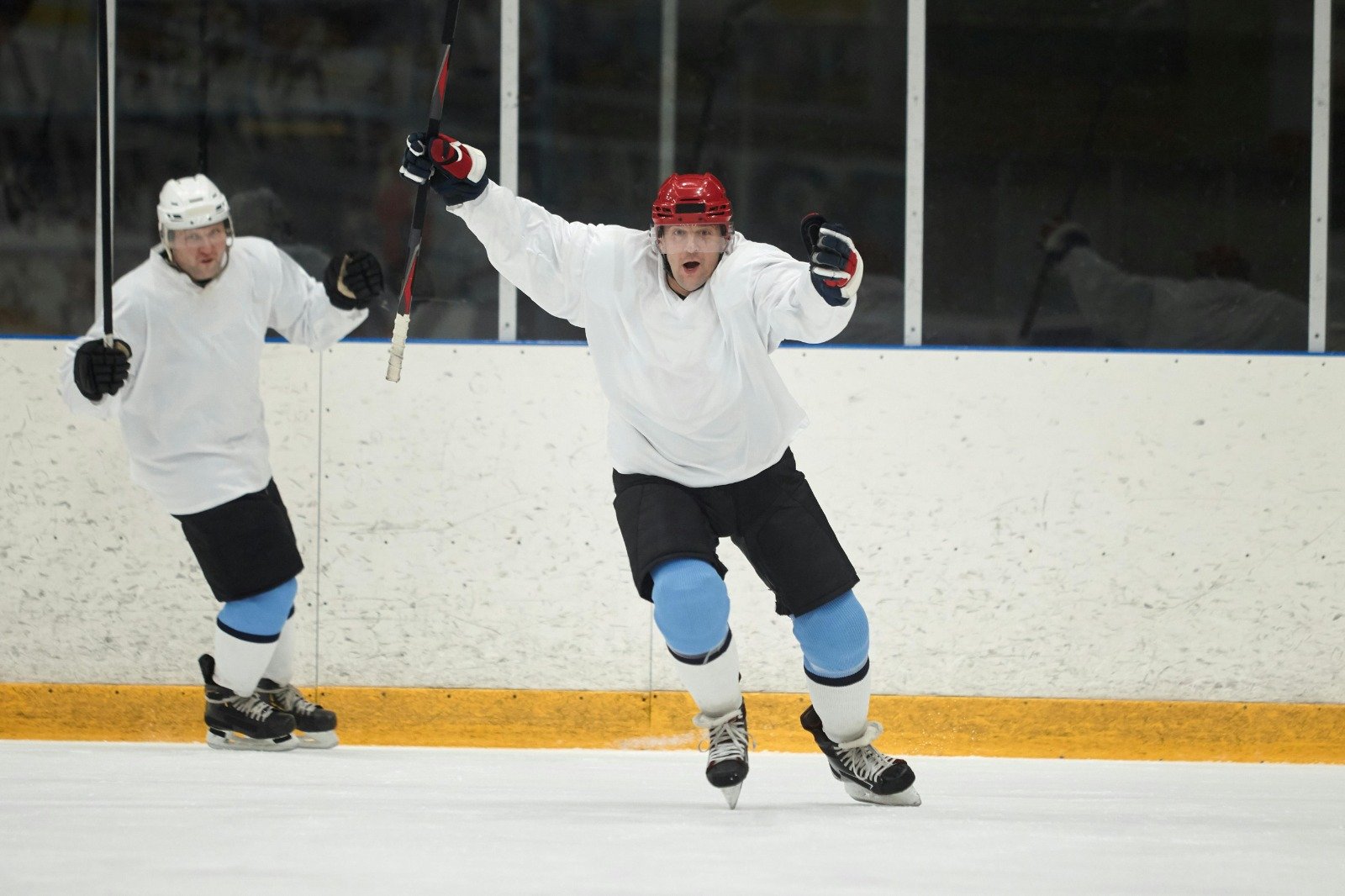
Youth hockey games typically range from 45 to 75 minutes in total, depending on the age group and league rules.
Ever wondered about the clock when watching a young skater chase the puck? It’s a common question for new hockey parents and fans alike: how long are youth hockey games? The game lengths vary based on the age division, which also affects the period times and intermissions.
Different leagues and organizations have their own rules regarding game duration. Generally, younger players will have shorter games, while older kids play longer. Understanding the time commitment helps plan your day around practices and matches.

How Long Are Youth Hockey Games?
Ever wondered how much time your young hockey star spends on the ice during a game? It’s a great question, and the answer isn’t always straightforward. Unlike professional games that have a consistent 60-minute running time, youth hockey game lengths vary quite a bit. The age of the players and the level of competition are the main factors determining how long a game lasts. This guide will break down the different game formats and time structures you can expect to see in youth hockey leagues.
Understanding the Basic Structure of a Hockey Game
Before we dive into specific timings, let’s talk about the basic structure of a hockey game. Most games, regardless of age, are divided into periods. Between these periods are intermissions, which provide a break for players and a chance to regroup. The clock stops during certain situations in the game (like penalties or when the puck goes out of play), which affects the total length of the game. It’s important to remember that “game time” and the actual amount of time you’ll spend at the rink are two different things.
Key Factors Influencing Game Length
Several factors play a role in how long a youth hockey game lasts. These include:
- Age Group: The most significant factor. Younger players have shorter periods and intermissions than older players.
- League Rules: Specific leagues or associations may have their own rules that slightly alter game length.
- Level of Competition: Games at the recreational level may be shorter than games in highly competitive travel leagues.
Game Lengths by Age Group
Let’s look at typical game lengths for different age groups. Keep in mind that these are general guidelines, and there can be variations:
Mites/Mini-Mites (Age 6 and Under)
At this level, hockey is all about learning the basics and having fun! Games are usually shorter to keep the kids engaged and avoid over-fatigue. Mites games often feature:
- Period Length: One to three periods of 12 to 15 minutes long. Some leagues will use running time, which means the clock only stops for injuries or timeouts.
- Intermissions: Very short breaks between periods, usually about 1-2 minutes long.
- Total Game Time: Games may last between 30 to 45 minutes of actual game play.
These games are structured to prioritize skills development and a positive playing experience.
Squirt (Age 9-10)
The Squirt level is where the game starts to resemble “real” hockey a bit more. Game lengths increase at this stage:
- Period Length: Three periods of 10 to 12 minutes. Many leagues use a stop-clock method for Squirt games.
- Intermissions: 2 to 3 minutes between periods.
- Total Game Time: Expect the game to run around 40 to 50 minutes in total.
At this age, players are beginning to understand more of the strategy of the game. The length increases to accommodate this.
Pee Wee (Age 11-12)
As players get older, game length increases, and the game becomes more physically demanding.
- Period Length: Three periods of 12 to 15 minutes. Stop time is standard at this age.
- Intermissions: 2 to 3 minutes between periods.
- Total Game Time: Games will usually last between 50 and 60 minutes.
Bantam (Age 13-14)
Bantam hockey is a significant step up in terms of intensity and commitment.
- Period Length: Three periods of 15 to 17 minutes. Stop time is the norm.
- Intermissions: 2 to 3 minutes between periods.
- Total Game Time: Bantam games will typically run around 60 to 70 minutes.
Midget (Age 15-18)
At the Midget level, many players are preparing to transition into junior or high school hockey. Game lengths get closer to those seen at the professional level.
- Period Length: Three periods of 15 to 20 minutes. Stop time is used.
- Intermissions: 3 minutes between periods.
- Total Game Time: Games last about 70 to 80 minutes, sometimes even longer depending on overtime rules.
Stop Time vs. Running Time
The terms “stop time” and “running time” are very important to understand when trying to figure out the total length of a youth hockey game. They have a significant impact on game duration:
Stop Time
In stop-time games, the clock stops whenever there is a stoppage of play, such as penalties, pucks going out of play, or injuries. This makes the game time longer as the clock stops more frequently. Stop time is typical in older age groups where the level of play is higher.
Running Time
In contrast, running time means the clock keeps running even during stoppages in play, except for certain situations like timeouts or injuries. This usually results in shorter games and is common at the youngest age levels (Mites and some Squirt leagues).
Game Length Variations: Beyond the Basics
While the above guidelines provide a good overview, you may encounter some variations in game lengths:
Tournament Play
Tournaments can often have different game lengths than regular season games. Some tournaments will use a combination of stop time and running time depending on time constraints and the tournament format. Some tournaments might have shorter periods, while others might have longer ones, especially if they are trying to fit a lot of games into a weekend.
Travel Hockey vs. House Leagues
Travel hockey programs, which are generally more competitive, might have longer game lengths compared to recreational house leagues. Travel leagues often have strict rules about game durations to make sure that teams have enough playing time.
Overtime
In some leagues, overtime is used in the event of a tie game to determine a winner. The length of overtime can vary. Overtime in the younger age groups is typically shorter, whereas overtime in higher-level play will be longer, sometimes with sudden-death rules.
Factors Beyond Game Time
Remember, the actual time you spend at the rink will be longer than just the game time. You also need to account for:
- Warm-up time: Teams typically have a brief warm-up on the ice before the game.
- Getting dressed: Getting the players into their equipment takes time, especially for younger players.
- Travel time: You’ll need to get to and from the rink, which may require driving to another city or town.
- Post-game activities: Team talks and cool-down routines will add to the time spent at the rink.
Add all of this up, and you’re looking at a time commitment that often spans a couple of hours for most youth hockey games. It’s also a good idea to keep in mind the fact that games can sometimes run long due to delays and other issues that might arise.
Tips for Parents
Knowing how long your child’s hockey game will last can help you better plan your schedule. Here are some tips for parents:
- Check with the league: Always refer to your league’s official rules and schedule to verify game lengths and times.
- Arrive early: Get to the rink early enough to allow plenty of time for dressing and warm-up.
- Be prepared for delays: Games may occasionally run long, so having some flexibility in your schedule is a good idea.
- Bring activities: Bring a book or other activities to keep you and younger siblings occupied during downtime.
- Pack snacks and drinks: Having snacks and water on hand will make the time at the rink more comfortable.
A Final Note
The length of youth hockey games varies depending on age group, league rules, and competition level. While you’re at the rink, try to focus on supporting the young players, being a positive role model, and enjoying the game itself. The exact length of the game will be less important than all the great memories and skills they’ll gain. Understanding the game structure will also allow parents, family and friends of players, to better plan their day and schedule around games.
🏒 Rules Of Ice Hockey : How To PLAY Ice Hockey : Ice Hockey Rules For Beginners EXPLAINED
Final Thoughts
Youth hockey game lengths vary by age group. Younger players, such as mites, generally have shorter games, around 45 to 60 minutes total. Older divisions, like bantams, play longer, sometimes 75 to 90 minutes.
The precise game time includes periods, intermissions, and potential overtime. These periods increase in length as players advance. Therefore, how long are youth hockey games depends on their specific league’s rules.

