
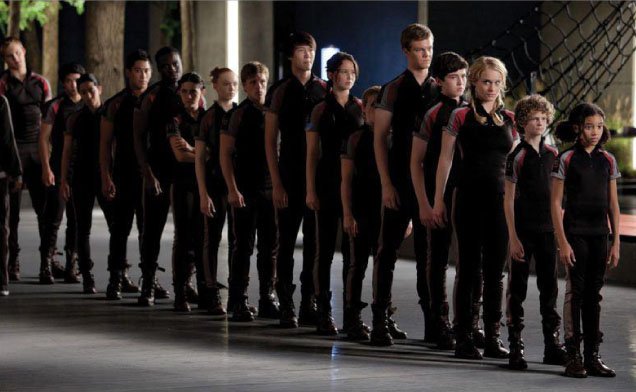
The 74th Hunger Games lasted approximately three weeks.
The arena held its breath for what seemed like an eternity, but exactly how long did the 74th hunger games last? Many fans have debated the precise timeframe, poring over the source material for answers. It’s a question that highlights the brutal nature of the competition and the suffering endured by the tributes.
It’s easy to get caught up in the action, the alliances, and the betrayals. We often overlook the simple fact that these events stretched over a considerable time. Knowing the duration provides a stark reminder of the physical and emotional toll.

How Long Did the 74th Hunger Games Last?
The 74th Hunger Games, a pivotal event in the world of Panem, wasn’t just a brutal competition, it was a carefully structured spectacle. Unlike a simple sports tournament with set times, the duration of the Games was dictated by the Gamemakers. So, exactly how long did this deadly event unfold? It’s a question many fans of “The Hunger Games” have pondered, and the answer isn’t a simple number of days. It’s a bit more complex than that, incorporating factors like pre-game preparations and the Gamemakers’ strategies. Let’s dive into the details to understand exactly how much time passed during the 74th Hunger Games.
The Pre-Games Period: Arrival and Training
Before the actual bloodbath began, there was a mandatory period that the tributes spent in the Capitol. This pre-Games time was crucial, serving as both a way to showcase the tributes to the citizens of Panem and to allow the Gamemakers to size up their competitors. The pre-Games period encompassed several key elements:
Arrival and Processing
Immediately upon arrival in the Capitol, the tributes were processed. This included medical evaluations, introductions to their stylists, and acclimatization to the lavish, yet artificial, surroundings. They were kept separate from each other at this point.
Training Sessions
Tributes had the opportunity to train in various combat skills, survival tactics, and strategic maneuvers. These sessions were a blend of practical training and observation, as Gamemakers closely watched the tributes. The training was not about genuinely improving their skills but about displaying their perceived strengths and weaknesses to potential sponsors and the viewers. In the book it’s mentioned that it was more about the show than the training. They learned a few basic things but it was more about showing their abilities and making it entertaining to the audience.
Interviews
The interviews with Caesar Flickerman were a critical component of the pre-Games period. These public appearances were designed to build public interest, create rivalries, and showcase the personalities of the tributes. This allowed the audience to pick their favorites and potential underdogs, which could affect their sponsorship during the actual Games.
The Chariot Parade
A key aspect was the dramatic chariot parade, which was all about pageantry and creating a spectacle. Tributes were dressed in elaborate costumes and paraded in front of the Capitol crowds, setting the stage for the upcoming Games.
This whole pre-Games phase usually lasted a few days, about 3-4 days, depending on the schedule and the Gamemaker’s plans. It’s crucial to understand that this period, while not part of the arena time, is an integral part of the overall timeline of the Games. It served as a buildup to the actual competition, influencing the public’s perception of the tributes and thus affecting the course of the Games.
The Duration Within the Arena
The actual fighting within the arena is what we generally think of when we talk about the Hunger Games. Unlike a timed sports event, the duration of the competition inside the arena was not fixed. The Gamemakers controlled how long it lasted, adding twists and challenges to the environment as they saw fit. While we cannot pinpoint the exact number of days, let’s break down the events within the arena that give us a sense of the overall length of the 74th Hunger Games:
The Initial Bloodbath
The initial Cornucopia bloodbath was usually a very intense, quick, and brutal start. A large number of tributes were eliminated within the first few hours, sometimes even minutes, of the Games. The frantic scramble for supplies often led to alliances and betrayals, setting the tone for the rest of the event.
The Middle Phase of Survival
After the initial bloodbath, the Games transitioned into a phase of survival, where tributes who managed to survive started focusing on finding resources, forming alliances, and figuring out strategies to survive. This phase was usually the longest, lasting several days as the tributes hid, hunted, and strategized.
Gamemaker Intervention
The Gamemakers frequently introduced obstacles and manipulated the arena to keep things interesting and to drive the remaining tributes into conflict. These interventions could range from natural disasters to man-made obstacles, or even the introduction of mutated creatures. These events could significantly impact the timeline of the Games, making certain areas dangerous and forcing tributes to move from place to place. For example, muttations were sent during 74th hunger games, to make the game more entertaining.
The Final Showdown
The final phase of the Games was the ultimate clash between the remaining tributes, culminating in a final showdown that decided the winner. This part of the Games might have been shorter, as it was designed to quickly lead to a winner. The Gamemakers often forced a faceoff, sometimes by reducing the playable area of the arena, compelling remaining contestants to fight.
Based on the events of the 74th Hunger Games, and especially by carefully analyzing the book, we can estimate the actual time within the arena to have spanned roughly two to three weeks. The book doesn’t provide an exact number of days but gives a sense of time through descriptions of events and the tributes’ physical and mental state. It’s crucial to remember that this timeframe could vary for different Games and that the Gamemakers manipulated the environment to meet the needs of spectacle and entertainment for the Capitol audience.
Factors Affecting the Games’ Duration
Several factors influenced the length of the Hunger Games. These weren’t random, they were the result of the Gamemakers’ careful planning:
Gamemaker Decisions
The Gamemakers were in control of the Games, and they had the ability to shorten or lengthen the competition. They could introduce events to speed things up or slow things down based on audience interest and their own strategic planning. If the Gamemakers felt the Games were going too long or the audience was losing interest, they might push the tributes into action or introduce more challenges. They had many tools at their disposal, from controlling the weather to releasing muttations.
Tribute Actions
The actions of the tributes played a critical role in the duration. If a lot of tributes died quickly, the Games could finish faster. Similarly, if there were multiple alliances and the remaining tributes adopted a cautious approach, the Games might take longer to come to a conclusion. The dynamics of the tributes – whether they formed alliances, how quickly they engaged in combat, and their individual skills – directly impacted the game’s pace.
Sponsorship
Sponsorship also played a role. The amount of care packages and aid the tributes received could help or hinder their survival, indirectly affecting how long the Games lasted. A well-sponsored tribute could survive longer, potentially extending the Games.
Arena Conditions and Design
The conditions and design of the arena played a big role. An arena with more hiding places or areas for resource gathering could result in a longer game as tributes avoided each other for a longer time, whereas an open and exposed arena could lead to faster and more immediate confrontations.
Analyzing the Timeline: A Day-by-Day Look (Estimated)
While we don’t have an exact day-by-day account, we can create an estimated timeline of the 74th Hunger Games based on key events. This is an approximation but can provide a better picture of how the days likely unfolded:
Day 1: The bloodbath at the Cornucopia resulted in massive casualties. Alliances begin to form, and some tributes retreat into hiding. Katniss finds water and is in search of her sister’s favorite and most desired ally, Rue.
Days 2-5: The tributes start adapting to their surroundings. Some find allies, some start hunting, some look for places to hide and rest. Katniss and Rue team up, creating a bond to fight against careers. Tributes are either eliminated or become increasingly strategic.
Days 6-10: The Gamemakers introduce various challenges and manipulations. The firestorm, and the tracker jackers episode, push tributes into conflict and change the strategies. The tributes start facing psychological and physical pressures.
Days 11-15: The number of tributes gets smaller and smaller, pushing towards more intense fighting and confrontations. Tributes are forced to face each other as their resources and hiding places start diminishing. Katniss and Peeta form a strong bond, and it becomes a duo against the arena and the Capitol.
Days 16-21: The final showdown between the remaining tributes takes place. The Gamemakers introduce mutations to force a quicker end to the game. Final confrontations and dramatic situations ensure. The final rule change pushes Katniss and Peeta to make a decision.
This is an estimate, but it aligns with the events in the book. Remember, the Gamemakers controlled these timelines and could manipulate them.
The Psychological and Emotional Impact of the Games’ Length
It’s important to consider not just the physical duration but also the psychological impact of this extended competition. The tributes spent weeks living under constant stress, enduring constant hunger, facing unpredictable dangers, and battling loneliness and fear. These experiences had long-lasting effects on them, with many facing emotional trauma for many years following the Games.
Mental and Emotional Strain
- The constant fear of death and the need to be alert all the time resulted in severe mental stress for each of the tributes.
- Loneliness and the lack of human connection outside of survival alliances caused emotional trauma.
- The requirement of killing other tributes to survive had long lasting impacts.
- Seeing people you were close to be killed was a devastating experience for all tributes involved.
Impact on Relationships
- Alliances created in the arena often come at the cost of trust and betrayal and have lasting impacts on all involved.
- Tributes formed bonds, either genuine or strategic, in the dire situation, creating lasting friendships and alliances.
- The trauma of the games could either break or strengthen pre-existing relationships.
Long-Term Effects
- The effects of the games often haunted survivors long after the games ended.
- They faced continuous flashbacks, nightmares, and difficulty adjusting back to normal life.
- The games shaped their identities, impacting how they viewed the world.
The psychological impact of such a drawn-out experience is profound and makes the duration of the Games all the more significant. It’s not just about how long they spent in the arena but how much the entire ordeal changed them as individuals.
While the exact number of days the 74th Hunger Games lasted remains an approximation, it’s clear that it was a prolonged event, lasting several weeks. This period included pre-game preparations, weeks of survival in the arena, and a heavy emotional toll. This comprehensive view of the timeline helps paint a more complete picture of the brutal reality of the Hunger Games.
The Entire Hunger Games Timeline Explained
Final Thoughts
The 74th Hunger Games concluded after a brutal period. The competition spanned several days. It is difficult to pinpoint the exact duration because the Games’ timeframe within the arena was not precisely tracked in the source material. We can only estimate it.
So, regarding the question “how long did the 74th hunger games last?”, it’s generally accepted that the competition lasted around two to three weeks. Remember, this is only an approximate duration of the main games.

