
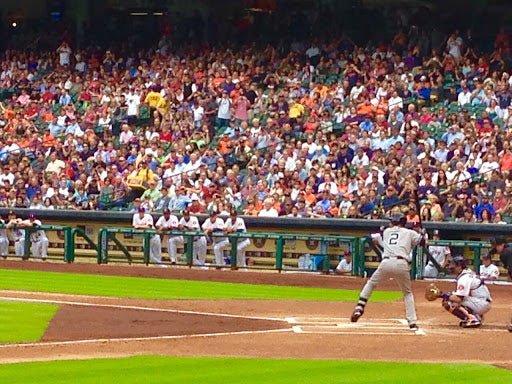
A typical baseball game lasts around three hours, though it can vary based on numerous factors.
Ever wondered about the duration of a baseball game? It’s a common question among fans and newcomers alike. The actual time can be quite different from what you might expect, making the question of “how long do a baseball game last” a pertinent one.
Many things contribute to the variation in game length. The pace of play, pitching changes, and extra innings all influence the final time. Therefore, it’s not a simple matter of a fixed start and end.

How Long Do a Baseball Game Last?
Ever wondered how long you’ll be sitting in the stands, cheering on your favorite team? Baseball games, unlike some other sports, don’t have a set clock. That means the length of a game can vary quite a bit! Let’s dive into what makes a baseball game last as long as it does. We will explore the typical game time, some factors that affect the duration, and even look at how extra innings play a part.
The Standard Nine Innings
At the heart of every baseball game are nine innings. Think of an inning like a mini-game within the bigger game. Each inning has two halves: the top and the bottom. In the top half, one team bats and tries to score runs, while the other team is in the field, trying to get them out. Then, the roles switch, and the other team gets to bat in the bottom half of the inning. This back-and-forth continues for nine innings. So, a full baseball game usually takes a while to play!
While nine innings are the standard, the actual time it takes to play them can change. On average, a typical Major League Baseball (MLB) game lasts about 3 hours. But, don’t be surprised if some games are shorter or much longer. It’s all part of the game’s unpredictable nature.
Factors Affecting Game Duration
Many things can cause a baseball game to run longer or shorter than that average time. Here are some key factors:
Pace of Play
The speed at which the game moves can have a big impact on the overall length. A fast-paced game, where the pitchers throw quickly and the batters don’t take too much time between pitches, will be shorter. On the other hand, a slow-paced game with lots of breaks between pitches or delays between innings can drag on. We often hear about the “pace of play” in baseball, and it’s something that leagues often try to improve to keep games moving.
Number of Pitching Changes
When a team changes pitchers, it takes time. The new pitcher needs to warm up and get ready to face the batters. A lot of pitching changes in a game can lead to more time being added to the clock. It’s one of the big reasons some games are longer than others. Some pitching changes can be quick, but others might take a few minutes as the manager comes to the mound and a new pitcher walks out from the bullpen.
Offensive Outbursts
When one team starts hitting the ball really well, they score more runs. More runs mean more time spent at bat and also more time with baserunners. Big innings with many hits and runs can make a game last longer than one where it’s a pitcher’s duel and no one scores much.
Defensive Errors
Sometimes, players in the field make mistakes. These errors can lead to runners on base and more batting. Errors mean the other team gets a chance to keep hitting and potentially scoring which also adds time to the game. A clean, error-free game often moves at a brisker pace. However, a game with many mistakes can sometimes feel like it never ends.
Injuries and Delays
Injuries to players can cause a pause in the game as they receive medical attention. If a player gets hurt, there will be a delay in the game. Other unexpected events, like rain delays, can also add time to the game. These things are just part of the game, but they can add to the overall length of a baseball game, sometimes quite significantly.
Commercial Breaks
Like other sports, baseball games include breaks for commercials on TV. These breaks add a little extra time to the game’s overall duration. These breaks are pretty standard in broadcasted games and are planned to accommodate advertising. They can also allow the players to take a brief break and allow the viewers at home to do the same.
Extra Innings: When Nine Isn’t Enough
Sometimes, after nine innings, the score is still tied. When this happens, the game goes into extra innings. This is one reason that baseball can go on for quite some time. In extra innings, the teams keep playing until one team scores more runs than the other at the end of an inning. There is no limit to the number of extra innings, so the game could potentially go on for many innings!
The Length of Extra Innings
The length of extra innings can vary greatly. A game could be over quickly with just one extra inning, or it could go on for several more innings. The number of extra innings depends completely on how the teams perform. In extreme cases, there have been games that lasted over 15, 18, or even 20 innings, making it a very long day at the ballpark. When a game goes to extra innings, you really can’t predict how much longer it will be.
Rule Changes Affecting Game Length
Baseball is always changing, and so are some of the rules. In recent years, leagues have made changes to try and reduce the overall length of the game. These changes are meant to keep the games entertaining and engaging for the audience. Let’s look at a few of the rules that have been changed or implemented to affect the game’s length.
Pitch Clock
One of the big rule changes made to speed up the game is the introduction of the pitch clock. This clock puts a limit on how long pitchers can take between pitches. If they go over the allotted time, they get a penalty. This rule encourages pitchers to work at a brisker pace. It helps move the game along and avoid the long pauses that can make games drag. This is also meant to help batters avoid spending too much time out of the batters box.
Limiting Defensive Shifts
Another rule change aims to limit how much teams can change their defensive positioning. This new rule encourages more balls to stay in play and less time between pitches. This also speeds the game up by reducing the amount of time between balls being hit, meaning less time spent with no action. The restriction on defensive shifts also is meant to help encourage more hitting and thus more runs and excitement.
Other Factors to Consider
Aside from the main factors we have discussed, some other elements can influence how long a baseball game lasts.
- The League: Minor League Baseball games might have slightly different pace rules or fewer commercial breaks. Thus they can sometimes be shorter.
- The Day: Day games are often shorter than night games. This is because they are less likely to have as many distractions or take as long to get underway.
- The Teams: The playing styles of the two teams involved also influence the game time. A high-scoring, aggressive team will often have longer games than one with strong pitching that keeps the score low.
Average Game Times Across Different Levels
While the average MLB game hovers around the 3-hour mark, game length can vary in other leagues and levels of play. Here’s a general idea:
- MLB: As mentioned, around 3 hours.
- Minor League Baseball: Often a bit quicker than MLB games, usually clocking in around 2 hours 45 minutes to 3 hours.
- College Baseball: Typically 2 hours 30 minutes to 3 hours.
- High School Baseball: Shorter than college or pro, usually around 2 hours.
- Little League: Games are often shorter, typically 1.5 to 2 hours long, to accommodate the attention spans of younger players.
As you can see, there’s a wide range in game lengths, depending on who is playing. These numbers are just averages, of course, and any individual game can vary greatly.
Keeping Track of Game Length
If you’re watching a game, either live or on television, there are a few ways you can keep track of how long it has been going on:
- Game Clock: While baseball doesn’t have a game clock like basketball or football, most stadiums and broadcasts will show the current time as well as the time of the game. This lets you keep track of how long the game has been going on and how long it might last.
- Inning Number: Pay attention to the inning number to get an idea of how far along the game is. If you’re in the 7th inning, you know the game is nearing the end of the regular nine innings.
- Pace of Play: Try to get a feel for the pace of the game. If it seems to be moving slowly with many breaks, it could take longer. If it seems like the action is moving quickly, it may be over soon.
Keeping an eye on these things can help you get a feel for how long a game might last, even though baseball does not have a set game time.
So, while there’s no hard and fast rule for how long a baseball game will last, understanding the various factors that influence game time can help you better plan your time. You now know why some games fly by and why others seem to last forever. You’re now ready to enjoy your next game with this knowledge in mind!
Why is a Major League Baseball season so long?
Final Thoughts
The average baseball game lasts around three hours, but various factors like extra innings and pitching changes can affect its length. These elements make game duration somewhat unpredictable. Games can run shorter or longer than that average.
Ultimately, how long do a baseball game last depends on the specific contest. Expect to spend roughly three hours at a game, while understanding it could go beyond that. Be prepared for the potential variance in playtime.

