
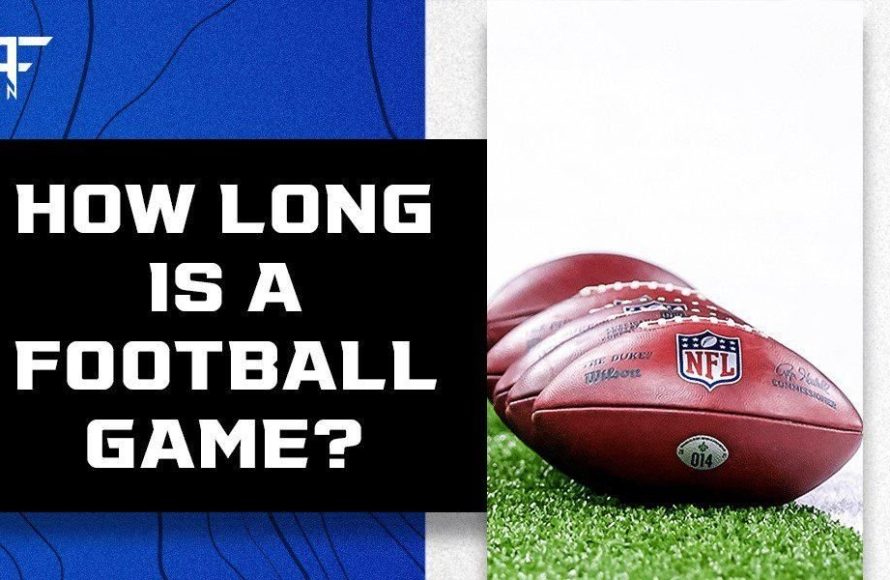
Cowboys games typically last around 3 hours, similar to most other NFL games.
Ever wondered about the clock when you’re glued to a Dallas Cowboys game? It’s a common question many fans have. It’s good to be prepared especially when you are making plans around the game. So, exactly how long do Cowboys games last? We will take a quick look at that here.

How Long Do Cowboys Games Last?
Alright football fans, let’s dive into a topic that’s probably crossed your mind more than once: how long do those exciting Dallas Cowboys games actually last? You’ve got your snacks ready, maybe a comfy spot on the couch, and you’re all set for some action. But before you settle in, it’s good to know roughly how much time you should carve out of your day. While it might seem like a simple question, the answer can be a little more detailed than you think. It isn’t just a straightforward 60 minutes like the clock shows because other things happen too. Let’s break down what goes into the total time of a typical Cowboys game.
The Basics: The 60-Minute Game Clock
First, let’s start with the official game clock. A National Football League (NFL) game, including any Cowboys game, is scheduled for 60 minutes of playing time. This time is broken into four 15-minute quarters. It’s the same amount of time no matter who is playing, whether it is the Cowboys playing the Eagles, or a preseason game. You’ll see this clock ticking down on the screen and on the big boards in the stadium. However, that’s only the active playing time. There are many other aspects that add time to the experience. This is where the time starts adding up.
Halftime: The Break in the Action
Right in the middle of the game, after the second quarter, there’s a break known as halftime. This is a 12-15 minute break where players rest, coaches make plans, and fans can grab more food or use the restroom. The exact length of the halftime break can depend on what the NFL decides but is generally around 12 to 15 minutes long. Sometimes, a bit longer if there are special performances planned. It’s a good time to stretch your legs, especially if you are watching from home!
Timeouts: Little Breaks During Play
Timeouts play a big part in how long a game feels. Each team gets three timeouts each half, and they can use them to stop the clock and create a break in the game. When a team uses a timeout, the game clock stops. These timeouts can be used for many reasons such as making a play call, giving the players a chance to rest, or even to freeze an opposing kicker. It depends on the teams’ strategies. These little breaks really do add some time onto the game. A lot of timeouts in a game will make the game longer overall. During timeout, TV channels may show commercials. So, this adds extra time to the total watch time too.
Commercial Breaks: The Unseen Time
Let’s be honest, another time factor is commercial breaks. If you’re watching a Cowboys game on television, you’ll notice that the game is interrupted for commercial breaks. The television networks have to show commercials to make money, so they pause the game frequently for this purpose. These breaks happen after touchdowns, field goals, during timeouts, at the end of quarters, and at other points in the game. The amount of commercials can vary, but they always add to the total watch time of the game. Commercial breaks can add around 15-20 extra minutes to the total game time. These breaks happen frequently, and while some of them are very short, all together they significantly extend the duration of a game. It also affects those at the stadium, as they may not get the same commercial breaks on the big screens, but they may have announcements or other entertainment that fills the same time.
Penalties: More Time Ticks Away
Penalties are another factor that can add minutes to a Cowboys game. When a penalty occurs, the clock stops while the officials determine what the violation was, who did it, and what the consequences are. Depending on the type of penalty, the amount of time it takes to sort out can vary. The time of the penalty can be just a few seconds, or it can be a few minutes. For example, a simple offsides penalty might only take a short while to address, but a more complex penalty like pass interference might require more time for discussion and review. Penalties can definitely increase the total time of the game, especially if there are many in one game.
Injuries: When the Game Slows
Unfortunately, injuries are a part of any football game. When a player is injured, the game clock stops. It is an important time to make sure that the injured player gets medical care. Depending on the injury, play can be held up for a considerable time. The amount of delay can depend on the severity of the injury. If the player is taken off the field on a cart, this can take a longer period of time, than if the player is able to walk off the field. Player safety is the most important part, so delays due to injuries can add some time to the game.
Instant Replay: Checking the Plays
In today’s NFL, instant replay is a big part of the game. If there’s a controversial or unclear play, the referee can go to the sideline to review it on a screen. This process allows officials to confirm calls, reverse a decision, or ensure the correct thing happened. The process of instant replay adds time to the game. While it helps make sure the game is fair, this can sometimes take several minutes, depending on the play. While the time spent in review may be short, it does add up over a game. Also, it takes time to return to live play after a review.
Overtime: When the Game Isn’t Enough
Most of the time, a game will end after the four quarters and the time is up. However, sometimes a game ends with a tie and a team needs to have the chance to win. This happens during regular season games and involves an overtime period. In the NFL, overtime is a bit different than in some other sports. There are rules that limit the length of the game to one 10-minute period. In the NFL, the first team that scores a touchdown wins automatically, even if it happens before the 10 minutes is up. This is a change to the old rule, where both teams got a chance to score. If no one scores a touchdown in the overtime period, the game ends in a tie after the 10 minutes. The time can increase with reviews and other usual game-delaying tactics but overall, it is only a maximum of 10 minutes of time.
Preseason Games vs. Regular Season Games
It’s important to note that whether it’s a preseason game or a regular-season game, the basic structure is the same: four 15-minute quarters, a halftime break, and the possibility of overtime in the regular season. So, the total watch time of each can be very similar, when compared to one another, despite their difference in significance. However, preseason games may have fewer timeouts or penalties compared to regular-season games. If that is the case, they could potentially be shorter. Most of the time, the difference in overall watch time is negligible.
The Average Total Time: What to Expect
So, after considering all these factors, what is a good idea of a Cowboys game total time? While the actual playing time is only 60 minutes, with halftime included, the total time for a Cowboys game can range anywhere from 3 hours to 3 hours and 30 minutes. Sometimes, with a lot of penalties, injuries, and close calls requiring reviews, the game may extend even longer. Conversely, a game with few penalties and injuries may be shorter. It is always good to assume the game will take around 3 hours, to allow enough time for the typical game. So, when planning your day around watching the Cowboys play, plan for at least 3 hours of game time. Let’s look at a few scenarios:
- A Quick Game: This game might have few penalties, a few commercials, and very little review time, totaling about 3 hours.
- A Typical Game: This game might have some penalties, a normal amount of commercials, and a few reviews, totaling 3 hours and 15 minutes.
- A Long Game: This game might have many penalties, many commercials, many reviews, injuries, and could even go to overtime. These games could take up to 3 hours and 30 minutes or even more.
Factors That Can Make a Game Longer or Shorter
High Scoring Games vs. Low Scoring Games
The flow of the game can also influence its length. High-scoring games often involve more touchdowns and field goals, which can result in more breaks for commercials. More scoring also leads to more kickoff attempts, adding more time to the game. On the other hand, low-scoring games might have fewer stoppages. However, low-scoring games do not mean they are automatically shorter. Sometimes they have long periods of time where there are many reviews, or if there are many turnovers, that can cause the game to be longer. Sometimes a lack of scoring leads to more penalties too, which also makes the game longer.
Close Games vs. Blowouts
Close games tend to have more tension and strategies, leading to more timeouts and possible reviews. Teams use all their timeouts to plan their offensive or defensive attacks. Blowout games may have fewer timeouts because one team is far ahead, so the other may not need as many timeouts to try to save the game. Also, teams that are far behind may not go for all the risks that they might have to do if the game were close. When the game is a blowout, they can simply give up and let the time go.
Number of Penalties and Reviews
The amount of penalties can significantly change the overall game time. Numerous penalties can also increase the total watch time, as can frequent reviews. Some games are called “clean games” meaning there were very few penalties during the entire match. These games will have a shorter watch time. The amount of penalties and reviews can vary greatly, from game to game, and is something that is not predictable. But, it is a factor that influences the total game time.
How to Keep Track of Time During a Game
There are some useful ways to keep track of time during a Cowboys game. For the most part, the game clock is visible on the screen or the big board, at all times. Most games are televised, and the television channel provides a time clock to watch. If you are watching a stream, they also have the game clock on the screen. The channels also show graphics that note time remaining for the quarter. So, during commercial breaks, there will be a small game clock that shows where the time is at. You can also have a watch or clock nearby, to keep track of the total game time. Most of the time, it isn’t necessary, as the game will run its natural course. But, keeping time can also make it more fun and exciting to track how long is remaining.
So, while the clock on the screen might say 60 minutes, a Cowboys game, like any NFL game, is a bit more than just that. With halftime, timeouts, commercials, penalties, and sometimes even overtime, the full experience can be closer to 3 hours to 3 hours and 30 minutes. So, when you’re getting ready to cheer on the Dallas Cowboys, make sure you’ve got a few hours set aside to enjoy all the football action. It’s all part of the fun of watching America’s Team take the field!
Washington Commanders vs. Dallas Cowboys Game Highlights | NFL 2024 Season Week 18
Final Thoughts
Typically, Dallas Cowboys games last around three hours. This duration includes four 15-minute quarters and a halftime break. Timeouts, penalties, and play reviews can extend game time.
So, how long do cowboys games last? They generally average about three hours, though sometimes can run a little longer depending on different factors in play during the game. This information helps fans plan their schedules.

