
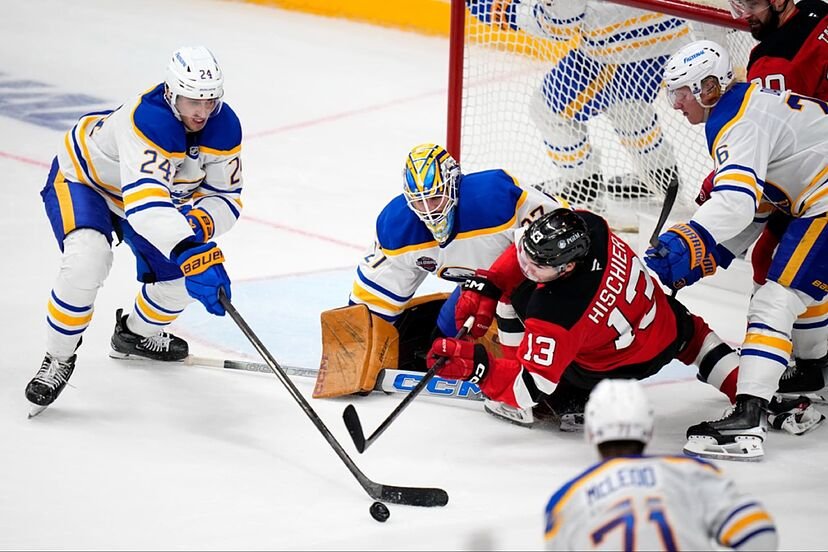
The typical duration of a hockey game is around 2.5 to 3 hours, including intermissions.
Ever found yourself wondering, how long do hockey games normally last? It’s a common question, especially for newcomers to the sport. The clock doesn’t just run continuously; it has several stops and starts.
These periods, intermissions, and the occasional penalty all add to the overall time spent watching. So, while the actual playing time is a specific length, the total duration is usually a bit longer. That is how long do hockey games normally last.

How Long Do Hockey Games Normally Last?
Okay, so you’re curious about how long you’ll be sitting on the edge of your seat watching a hockey game, right? It’s a good question because, unlike some sports with set time limits, hockey has a few things that can change the total game time. Let’s dive into all the details to figure out just how long a hockey game usually takes. We’ll explore the different parts of a game and what can make it longer or shorter.
The Basics: Three Periods of Play
At its core, a standard hockey game is divided into three periods. Think of them like three acts in a play. Each period is 20 minutes long, and that’s playing time. It’s not like the clock keeps ticking when the puck isn’t in play. The clock stops a lot, actually, which we’ll get to. So, if you just looked at the 20-minute periods, you might think a game only lasts an hour, but that’s just not how it works in hockey. The total clock time is different from the actual playing time. Let’s break down the elements of a hockey game to see where the time goes.
Intermissions: Breaks Between the Action
After each period, there’s a break called an intermission. These breaks are like pauses in the action where the players get to rest and coaches can talk strategy with them. Intermissions are important. They allow players to regroup and come back strong for the next period. Typically, an intermission is about 15 to 18 minutes long. This time allows for players to use the restroom, refuel, hydrate, and get any necessary medical attention if they need. They are also important for ice maintenance. The ice needs to be resurfaced by a machine, and this usually takes around 10–12 minutes, this process called resurfacing. The intermission is also a great time for fans to get up, stretch their legs, and maybe grab some snacks. You see, while the three periods technically only add up to 60 minutes of playing time, it is crucial to incorporate the time taken by the intermissions.
Game Clock Stoppages
Here’s where things get a little more interesting. In hockey, the game clock doesn’t run continuously like a clock in your home. Instead, it stops for a bunch of reasons, and all these clock stoppages add up to make the game longer than just the straight 60 minutes of playing time. Let’s look at those reasons.
- Puck Out of Play: When the puck goes out of the rink’s playing area and over the boards or glass, the clock stops. This can happen a lot during a game and the clock stays stopped until the next face-off.
- Penalties: If a player does something against the rules, they get a penalty. When the referee blows the whistle for a penalty, the clock stops, and it only starts again after the penalized player has taken their place in the penalty box.
- Goals: When the puck goes into the net and a goal is scored, the clock stops. It’s a short stop for the goal, but these stops, like all other stops, can extend the game time.
- Icing: If a player shoots the puck from behind their own side of the center red line, all the way down the rink to the other end without it being touched, it’s called icing. Icing causes the clock to stop and a face-off in the defending zone.
- Injuries: If a player gets hurt, the clock stops, so they can get medical help. This is very important because player’s health is always the top priority.
- Time-outs: Each team is usually allowed to call one 30-second time-out per game. When a time out is called, the clock stops.
These stops mean that while each period is only 20 minutes long in playing time, it is rarely just 20 minutes of real time. All these different kinds of stoppages add more time to the game, and they happen quite frequently.
Overtime and Shootouts: What If The Game is Tied?
Sometimes, at the end of the three regular periods, the game is tied. When this happens, there are extra ways to try and break the tie and make sure there’s a winner. These extra parts of the game can add to the total time of the game.
Overtime
If a game is tied after the three regular periods, the teams will go into an overtime period. The rules for overtime can vary depending on the league or level of play. In some leagues, the overtime period is a full 5-minute period, in which the first goal wins the game. In some cases, the overtime period can be longer, in some other cases it can be shorter or even different rules can apply. Usually in overtime, teams will play with fewer players on the ice to open up the playing area and increase the chance for a goal to be scored, in this case, usually 3 vs 3 hockey is played. If neither team scores a goal in the overtime period, they move on to a shootout.
Shootouts
If the score is still tied after overtime, the teams go to a shootout. In a shootout, each team gets to take turns shooting the puck against the opposing team’s goalie, as a one-on-one showdown between the skater and the goalie. It is really fun to watch. If the score is still tied, then more players from each side will continue to take turns, until one team scores while the other does not. Shootouts can add about another 5-10 minutes, depending how many rounds they go, but they are not like a normal playing period.
Different Hockey Leagues, Different Game Lengths
The basic rules of hockey are generally the same across different leagues and levels of play, but there can be some differences in the length of a game. It is important to take these differences into consideration when you ask about how long hockey games usually last. There are leagues for young kids, high school, college, and professional levels, and each can have slightly different rules that affect the total length of a game. Let’s go through some major leagues and their rules.
National Hockey League (NHL)
The NHL is the top professional hockey league in the world. NHL games are structured as we have described above: three 20-minute periods, 15-18 minute intermissions, and if tied, a 5 minute 3 vs 3 overtime period followed by a shootout if still tied. An average NHL game will last between 2.5 and 3 hours. This includes all the play time, breaks, and potential overtime. Some games can even go longer if they include a longer overtime or have lots of stoppages.
American Hockey League (AHL)
The AHL is considered a minor professional hockey league, which is basically the development league for NHL. The game format is almost same as NHL, with three 20-minute periods and similar intermission lengths. So, an average AHL game will also last around 2.5 to 3 hours, very similar to NHL.
College Hockey (NCAA)
College hockey games are usually a bit different from NHL and AHL in terms of the structure of overtime period. College hockey games are played in three 20-minute periods, and the intermission lengths are similar to NHL games. Usually in college hockey, the overtime period is a full 5 minute 5 vs 5 period, and if still tied, a second 5 minute sudden-death 5 vs 5 overtime period is played, and then if still tied, the game ends in a tie. In college hockey, the shootout is not part of determining the game winner. Usually a college hockey game, without overtime, lasts around 2.5 hours, and with overtime it can go slightly longer, depending how many overtime periods are played.
Junior Hockey (CHL)
The Canadian Hockey League (CHL) is major junior hockey league for players ages 16-20, consists of three sub-leagues: the Ontario Hockey League (OHL), Quebec Major Junior Hockey League (QMJHL), and Western Hockey League (WHL). CHL games also feature three 20-minute periods with standard intermission times. The overtime format is usually a 5-minute sudden-death overtime, followed by a shootout if needed. CHL games, similar to NHL and AHL games, usually last around 2.5 to 3 hours.
Youth Hockey
For younger players, the length of periods and games can be different from the rules in the pro leagues. This is to make the game more suitable for the players based on their age. For example, games for younger kids can have shorter periods, like 15 or even 10 minutes, and there could be a running clock in some cases to make sure the games fit within the timeframe available. These games are obviously shorter than professional games, but they can be longer than the total amount of playing time due to stoppages and breaks between periods.
Average Time Breakdown of a Hockey Game
So, when we put it all together, how long does a hockey game normally last? Let’s make a rough breakdown of what it looks like for an average professional level hockey game:
- Three periods: 3 x 20 minutes = 60 minutes
- Two intermissions: 2 x 15-18 minutes = 30-36 minutes
- Clock stoppages: This is the tricky part. We have to roughly add 45–60 minutes for all those pucks that go out of play, penalties, goals, and other things that make the clock stop.
- Overtime/Shootout (if needed): 5–15 minutes, sometimes more if a lot of shots go in a shootout.
If we add these elements together, the total game time is around 2.5 to 3 hours. But of course, games can also be shorter if there are fewer stoppages or longer if there is more action, many penalties, or a long overtime period.
Factors Affecting Game Length
Several different factors can influence the overall length of a hockey game. Some of these you might expect, while others you might not consider.
Number of Penalties
A game with a lot of penalties can take longer than a game with only few penalties. Each time the ref blows the whistle for a penalty, the clock stops, so the more penalties, the more times the clock stops and this increases the total time of the game.
Number of Goals
Each time a goal is scored, the clock stops, even if just for a short time. Although each goal stop is short, multiple goal stops can add extra time, extending the length of a game.
Injuries
If a player is injured during the game, the clock is stopped so that medical staff can attend to the player. If the injury is serious, the stoppage may last for a longer period of time, which will make the game longer.
Overtime Play
As mentioned earlier, overtime can significantly extend the game length. Overtime periods can also last longer depending on rules of the league. Sometimes, if the game is still tied after overtime, then it goes to a shootout. Shootouts are another factor that can extend the total game time, sometimes significantly if many rounds are needed to determine a winner.
Close Games
Close games tend to have more stoppages because teams get more intense and players try to push the game to their favor. This means more stoppages with penalties, icing, or a puck out of play. Close games usually tend to be longer.
Why Does It Matter How Long a Game Lasts?
Knowing how long a hockey game lasts is useful for several reasons. For example:
- Planning Your Day: If you are planning to go see a hockey game, it is important to know how long it is going to last, so you can arrange transportation, food, childcare and other arrangements, so you don’t have to leave the game early.
- Scheduling Television Coverage: When TV networks broadcast a hockey game, they need to schedule time slots that accommodate the expected game length. This is why hockey games are usually a good fit for TV because they usually run in the same time range of 2.5 to 3 hours.
- Understanding the Game: Knowing what parts of the game can make it last longer gives you a better sense of how the game flows and why things happen the way they do.
So, knowing how long a game lasts isn’t just about knowing when to go home – it’s part of understanding the game of hockey!
In summary, while the basic rules of hockey involve three 20-minute periods, several factors contribute to the final duration of a game. Stoppages due to pucks out of play, penalties, and goals, along with intermissions, overtime and potential shootouts, all increase the total time from that 60-minute play time. The total time of a hockey game is normally around 2.5 to 3 hours, and that is why watching hockey is an exciting experience filled with action and drama, and a lot more fun knowing what to expect in terms of time.
How Long Are Hockey Games
Final Thoughts
Regular hockey games typically run for about two and a half hours. This duration includes three 20-minute periods and intermissions. Overtime and penalties can extend the game’s length.
Understanding how long do hockey games normally last helps fans plan their viewing. The game length is a key aspect. Enjoy the exciting hockey experience, knowing the approximate timeframe.

