
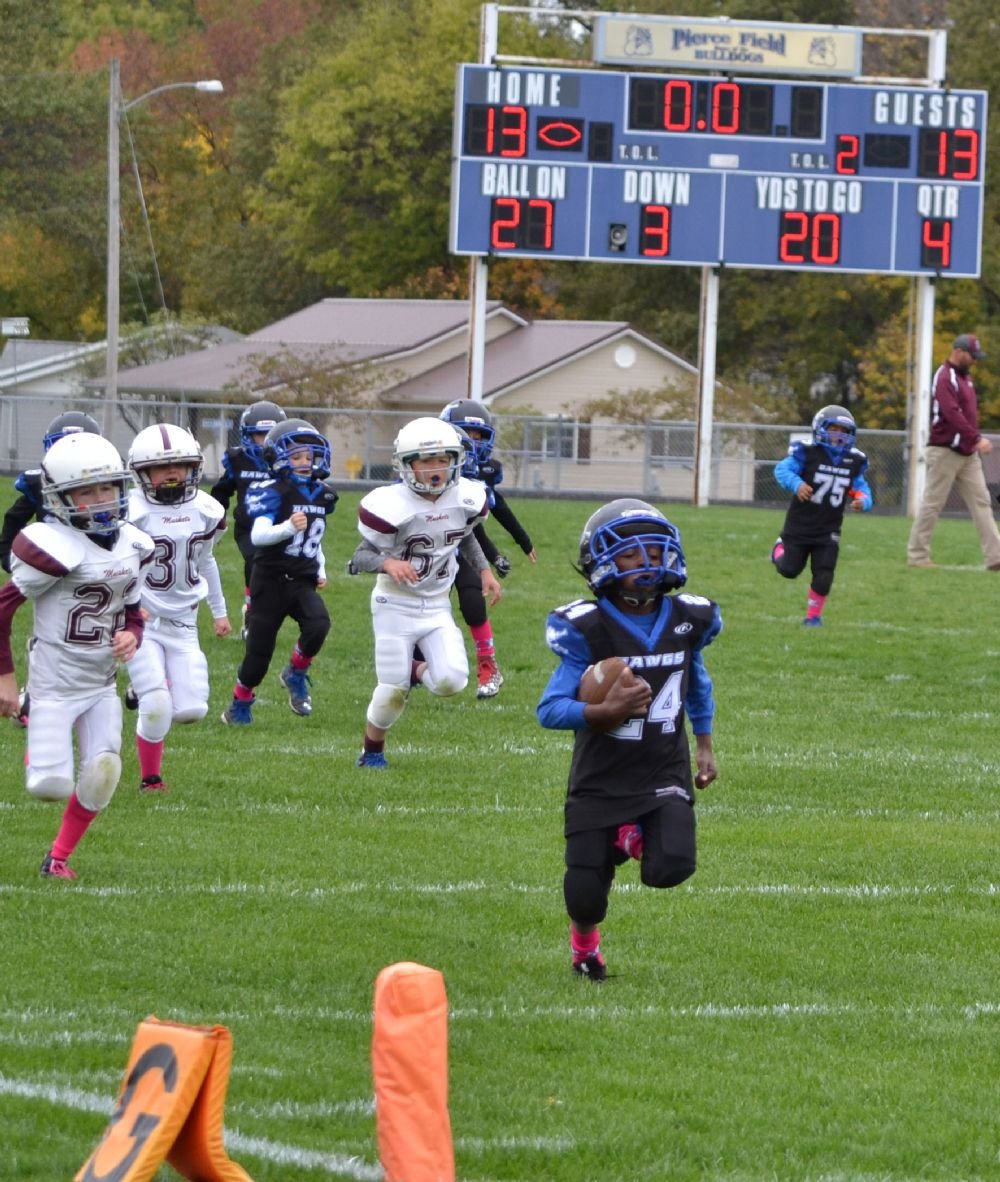
Little league football games typically last around 1 to 1.5 hours.
Planning your weekend around the little league game? Figuring out how long do little league football games last is a common question for parents and fans. It’s important to know the timeframe, so you can schedule everything else around it.
Game length, while consistent, can vary a bit due to factors like stoppages and halftime. Usually, a game will fall within that hour to hour and a half window. This helps everyone involved plan their day.

How Long Do Little League Football Games Last?
Okay, so you’re curious about how long a little league football game actually lasts? It’s a great question because it’s not always as straightforward as you might think! Unlike a high school or professional game that has a pretty set time, little league can have a few variations. Let’s dive deep into what affects game length and give you a solid idea of what to expect.
Understanding the Basics: Game Time and Age Divisions
The first thing to understand is that little league football isn’t one-size-fits-all. Game length is usually connected to the age group playing. Younger kids, like those in flag football or the youngest tackle divisions, will have shorter games, while older kids will have games that are closer in length to what you see on TV. This makes sense, right? Little legs can only run for so long! Let’s break this down by the typical age divisions:
Flag Football: The Quickest Games
Flag football is all about fun and learning the basics. Since it’s non-contact, games tend to be quicker. Here’s what you can generally expect for flag football:
- Game Length: Usually between 40 to 60 minutes.
- Quarters: Games are often divided into four shorter quarters, typically around 8-10 minutes each.
- Halftime: There’s a short break for halftime, maybe 5 to 10 minutes.
- Why So Short? Flag football focuses on skills and running around, so the time is kept shorter to maintain everyone’s energy and attention.
Tackle Football: The Most Common Format
Tackle football in little league is more structured, but still adjusted for younger players. This is where you’ll see the most variety depending on the league rules, but here are the general guidelines:
Typical Game Structures for Tackle Football
Most tackle football leagues use a basic structure with quarters, a halftime, and some breaks for timeouts. The length of the quarters can vary, but here’s a general idea:
- Quarters: 10 to 12 minutes in length.
- Game Length: Games typically last for 1 hour 15 minutes to 1 hour 45 minutes.
- Halftime: Around 10-15 minutes.
- Timeouts: Teams get a certain number of timeouts to stop the clock.
Variations Based on Age and League Rules
Here are some of the specific variations you might see depending on the age and league.
- Younger Tackle Divisions (Ages 7-9): You might find slightly shorter quarters, maybe 8-10 minutes each. This makes the total game duration close to the shorter end of the 1 hour 15 minutes to 1 hour 45 minutes range.
- Mid-Level Tackle Divisions (Ages 10-12): Game times are often closer to 12 minutes per quarter, making the game closer to 1 hour 30 minutes to 1 hour 45 minutes.
- Older Divisions (Ages 13-14): In some leagues, you could see quarters as long as 12 or even 15 minutes, making the games longer. These divisions are often approaching the length of a high school game.
- League Variations: Remember, each league can make slightly different rules. Some might shorten quarter times, others might have longer breaks, or fewer timeouts. Always check your specific league rules!
Factors That Can Affect Game Length
It is very important to understand that game length can vary. It is not just the official game time that matters. Here’s why games might run a bit longer or even shorter sometimes:
Timeouts and Clock Stoppages
Timeouts, both team timeouts and officials’ timeouts, can add time to the game. Injuries can also cause the game to pause, extending the total duration. These stops can add significant minutes to the game, especially if multiple timeouts or injury breaks occur. It is also good to know that some leagues have stopped time and some leagues use running time, both of them makes the difference of total time of the game. When the time is stopped the time of the game will be more longer then the time of running time.
- Team Timeouts: Used by the coaches to discuss strategy or give their players a break, but they pause the game clock.
- Official Timeouts: Called by the referees for penalties, measurement of the ball, or any issues on the field that need immediate attention.
- Injury Timeouts: Necessary when a player gets injured, and these can take a bit longer, especially if a player needs to leave the field or receive medical attention.
Penalties and Play Stoppages
Penalties can also extend the game time. When the referee has to explain a penalty, the clock stops. It might not be much time in total for one penalty, but when there are many penalties it might cause to extend total time of the game.
Overtime
Although rare, overtime can happen in little league football, usually when games are close. This can make the game run longer. The way overtime works might differ a bit, but it basically gives each team a chance to score, extending the game’s length.
Half-Time Break
The halftime is a break for players to rest and coaches to speak with the team, but this is also a big reason to extend the total time of game. Generally halftime is around 10-15 minutes, but sometimes it could be extended based on the situation of the game and how big the venue is.
Typical Time Allocation in a Game
Let’s see a typical breakdown of how time is used in a standard little league football game:
- Pre-Game Warm-Up: Usually, teams have about 20 to 30 minutes to warm up before the game. This doesn’t add to the official game time, but it’s part of the whole game day experience.
- Game Quarters: Each quarter could be 8 to 12 minutes, depending on the age division and league rules.
- Halftime: Usually around 10-15 minutes.
- Timeouts: The total time spent on timeouts will vary, but it is a factor.
- Post-Game: There’s also the time for post-game handshakes and maybe a quick chat from coaches which doesn’t count toward the actual game time but is still part of the day.
How to Find the Exact Game Length for Your Team
Want to be super precise about your team’s game length? Here’s how to find out the specifics:
- Check Your League’s Website or Handbook: Leagues usually post rules about game times on their website or in handbooks they give out to coaches and parents.
- Ask Your Coach: Your coach is a great person to ask because they will know the rules for the league. They will also know all specifics of rules for game length.
- Talk to Other Parents: If you are not sure what the rules are from coach, talk to other parents, usually someone will know the correct information.
- Refer to the Game Schedule: Sometimes the scheduled time already includes the expected total time of the game.
Tips for Managing Game Day
Knowing the game length can help you make plans for game day. Here are some tips to help:
- Arrive Early: Get to the field early so your child has time to get ready without feeling rushed. It gives you more time to find a seat and get settled too.
- Pack Snacks and Drinks: Bring some water and snacks because games can take a while. Also, you might need something before and after the game also.
- Bring a Chair or Blanket: It is always good to bring something to sit on, especially if the field does not have seating arrangements.
- Be Patient: Game schedules can vary, so be patient and understanding.
- Prepare for Extra Time: Be ready for games that might go longer than expected, just in case.
So, as you can see, the length of a little league football game can have slight variations. The age of the players and the specific league rules play big roles in determining the total game time. By understanding the basics, you can better plan for game day and cheer on your team without worrying about how much time it will take.
We Need Nationally Televised Little League Flag Football Games 😂
Final Thoughts
Little league football games usually last around 60 to 90 minutes, but this can vary. Factors like age, rule variations, and halftime affect the actual game duration. Overtime periods further extend a game’s length.
Therefore, when considering, ‘how long do little league football games last’, it’s essential to remember it’s not a precise science, and fluctuations happen. Understanding these variations will help you plan accordingly.

