
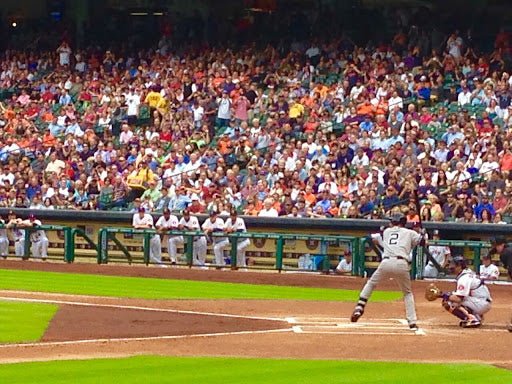
T-ball games typically last between 1 to 1.5 hours.
Ever wondered how long those adorable t-ball games actually take? It’s a common question for parents new to the sport. Figuring out how long do t ball games last is important when you are planning your weekend schedules.
Many factors contribute to the game length, such as the number of innings and the pace of the young players. Usually, the game is not as long as standard baseball.

How Long Do T-Ball Games Last?
So, you’ve signed your little slugger up for t-ball! That’s awesome! One of the first questions many parents have is: “How long will these games actually take?” It’s a fair question. After all, nobody wants to be stuck at the field for hours, especially with a bunch of energetic kids. Unlike professional baseball with its nine innings, t-ball games are designed to be shorter and more engaging for young children. Let’s dive into the details about the duration of these games and what affects their length.
Understanding the Time Constraints in T-Ball
T-ball games are all about fun and learning the basics of baseball. The focus isn’t on strict competition; rather, it’s on developing skills and a love for the game. Because of this, game lengths are usually kept shorter. Typically, a t-ball game will last anywhere from 1 to 1.5 hours. However, this can vary based on a few factors.
The Key Difference: Innings vs. Time Limits
One of the biggest differences between t-ball and older leagues is how games are structured. Instead of playing a specific number of innings, t-ball often uses time limits. This is because, at this young age, keeping the attention of the players can be a challenge. If a game had a specific number of innings, it could potentially run for a long time, depending on the pace of play and the number of hits. That’s where time limits come in handy.
- Time Limits: Most t-ball leagues set a time limit on games, often between 60 to 90 minutes. Once that time is up, the game concludes, even if not all the scheduled innings are completed.
- Innings: Some leagues may play by a set number of innings, typically between 4 and 6. Even with innings, they also might incorporate a time limit. This means that even if all innings have not been completed within the allotted time the game will be called.
Why the Time Limit Approach?
Using a time limit system allows leagues to maintain a better game schedule and avoids situations where games last too long. This keeps the players engaged, ensures everyone has a good time and accommodates the schedule of most families. There are a few key reasons for this approach:
- Keeping Kids Focused: Younger children have shorter attention spans. By having shorter games, it’s easier for them to remain focused and engaged.
- Parent Scheduling: Parents have busy schedules, so a set time limit helps with planning their day.
- Fair Game Scheduling: With several games played on the same field, having a time limit keeps all the games within schedule.
Factors Affecting T-Ball Game Length
Several factors can impact the actual time of a t-ball game. While most games hover around 60-90 minutes, here’s what can lead to variations:
League Rules and Regulations
Each league sets its own rules, which significantly affect the length of a game. League-specific rules cover aspects like time limits, number of innings, and how many players each team has.
- Time Limits: Some leagues may strictly enforce a 60-minute game time, while others allow 75 or 90 minutes.
- Number of Innings: Leagues might schedule 4, 5, or 6 innings.
- Number of Players: A high number of players could mean more time required to rotate players in the field and at the plate.
The Pace of Play
The pace of the game itself will greatly impact how long the game lasts. Unlike professional baseball, t-ball moves at a slower pace, but some teams have faster games than others.
- Quick Transitions: If teams quickly transition between offense and defense, the game goes faster.
- Number of Hits: When there are more hits and runners on base, this often lengthens the inning, and thus the game.
Number of Players on Each Team
The number of players can also influence the overall game time. Larger teams will have more at-bats and time needed for each player to be in the field.
- Larger Teams: More players mean more time rotating in and out, extending the game.
- Smaller Teams: Fewer players mean less time between innings and typically faster-paced games.
Weather Conditions
Unsurprisingly, the weather has a big impact on games. Bad weather can slow the game down, or even halt it completely.
- Rain Delays: If it starts raining, the game might be delayed or even canceled, obviously affecting the time the game may be played.
- Extreme Heat: In extreme heat conditions, the game may slow down due to more breaks needed to keep players hydrated and safe.
Age and Experience of Players
The experience of the players can also play a part. If it’s a team of younger and newer players, expect the game to be a bit slower due to adjustments in the field and at the plate.
- Beginner Teams: Teams with less experience tend to have games that run a bit longer.
- More Experienced Teams: Teams that play more fluidly can move through innings quicker.
Typical Game Structure: A Look at How Time is Spent
Let’s break down how time is typically spent during a t-ball game to better understand the time duration.
Pre-Game Activities
Before the game officially starts, there’s always some preparation involved. This can take 10 to 15 minutes.
- Warm-Ups: Players typically do a brief warm-up, this might include stretching and some throwing.
- Field Setup: Coaches and volunteers need time to make sure the field is ready and the bases are properly set.
- Team Talk: The coaches might also gather the team for a brief pep talk or strategy discussion before the game starts.
The Innings
The time spent on each inning varies depending on a variety of factors but we will look at some estimated time periods.
- Average Time Per Inning: On average, an inning in t-ball takes about 10-15 minutes. So for a 4-inning game, this may equate to 40 to 60 minutes on the game clock.
- Longer Innings: Innings can last longer if there are many runners on base, hits, or errors during the inning.
- Shorter Innings: Innings can be completed faster when there are quick outs, and less errors.
Post-Game Activities
After the final out, there may be a few minutes of post-game activity.
- Team Huddle: The team usually has a short huddle to discuss the game and show good sportsmanship.
- Cleanup: Players and coaches help clean up the field and gather their equipment.
Tips for Parents to Manage Game Time
As a parent, knowing what to expect time-wise can be really helpful. Here are some tips to manage your time during t-ball games:
Check the League Schedule
The most important thing to do is review your league’s schedule and rules beforehand. This will tell you how long to expect the games to last.
- Review Game Length: Make sure you know the time limit, number of innings, and any special rules.
- Check Start Time: Note the game’s start time so you can be there on time for warm-ups.
Be Prepared for the Weather
Always check the weather forecast before the game and come prepared. This will help ensure you are comfortable throughout the game duration.
- Bring Rain Gear: If rain is possible, bring umbrellas, rain jackets and appropriate shoes.
- Bring Sunscreen: For sunny days, bring sunscreen, hats, and water to keep everyone comfortable.
Plan Accordingly
Knowing the game time can help you plan your day and arrange transportation and other activities.
- Arrange Transportation: Make sure you know how you will get to and from the game on time.
- Bring Snacks: Pack snacks and drinks, especially if the game is scheduled during mealtime.
- Plan Activities: If you have other engagements, make sure you have plenty of time to attend your other events.
Be Patient and Flexible
Keep in mind that t-ball is about having fun! Some days games might go a bit longer, so it is important to be prepared.
- Focus on Fun: Remember the goal is to have fun and teach the kids the basics of baseball, don’t stress about the game time.
- Be Positive: Cheering the players on and being supportive is what really matters in t-ball.
A Quick Summary
Here’s a summary of typical t-ball game times:
- Usual Game Length: 1 to 1.5 hours.
- Time Limits: Games typically have a time limit, often between 60 to 90 minutes.
- Innings: Games range from 4 to 6 innings, sometimes time limits are in addition to inning counts.
By understanding these factors and tips, you’ll be much better prepared for t-ball games and able to manage your time effectively. Have fun out there and enjoy watching your little ones play ball!
Kids Being Unintentionally HILARIOUS
Final Thoughts
T-ball games typically last around one hour, but this can vary slightly. Factors like the number of innings played and any delays impact the total duration. The goal is to keep games short for younger players’ attention spans.
Generally, teams play a set amount of innings, or a time limit is reached. Therefore, how long do t ball games last depends mostly on the local league rules. Always check the specific guidelines for your child’s league for accurate information about game length.

