
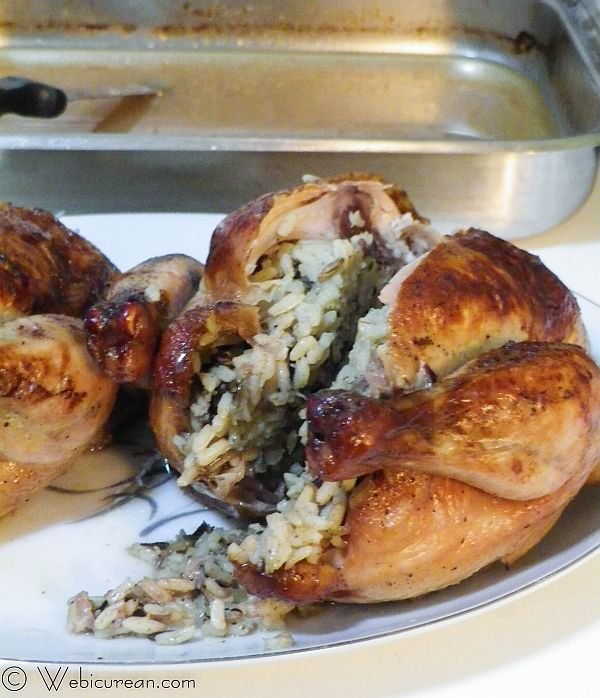
For a stuffed Cornish game hen, cook it for approximately 45-60 minutes at 375°F (190°C), or until its internal temperature reaches 165°F (74°C).
Planning a special dinner and considering stuffed Cornish game hens? You’re likely wondering how long do you cook a stuffed cornish game hen to get it just right. It can seem tricky to ensure both the hen and stuffing are cooked through perfectly.
The cooking time really depends on the stuffing and size of the bird but with some attention you’ll be enjoying a delicious meal. Remember to always verify the internal temperature with a meat thermometer for safety.

How Long Do You Cook a Stuffed Cornish Game Hen?
Figuring out the perfect cooking time for a stuffed Cornish game hen can feel like a bit of a puzzle. It’s smaller than a regular chicken, but the stuffing adds another layer of consideration. Don’t worry, though! We’re going to break down everything you need to know to get a juicy, perfectly cooked bird every single time.
Understanding the Basics of Cooking Time
Before we dive into specifics, let’s talk about why cooking time matters so much. The goal is to cook the hen thoroughly so it’s safe to eat, but also to avoid overcooking it which can lead to a dry and unappetizing meal. Factors that influence cooking time include:
- Hen Size: Cornish game hens typically range from 1 to 2 pounds. A larger hen will take longer to cook than a smaller one.
- Stuffing Quantity and Type: A densely packed stuffing or one with ingredients that take longer to cook, like sausage, will increase cooking time.
- Oven Temperature: A higher oven temperature will cook the hen faster, but may also increase the risk of drying it out if not careful.
- Starting Temperature: If your hen is straight from the refrigerator, it will need a bit longer in the oven than a hen that has had some time to come closer to room temperature.
The Importance of Internal Temperature
The most accurate way to determine if your Cornish game hen is cooked is by checking its internal temperature with a meat thermometer. Relying solely on time is risky because ovens can vary and the factors above can have an impact. According to food safety guidelines, you need to achieve the following:
- Hen Meat: The thickest part of the hen (usually the thigh) should reach at least 165°F (74°C).
- Stuffing: The center of the stuffing should also reach 165°F (74°C) to ensure any bacteria is killed. This is crucial.
It is so very important to double check both the stuffing and the hen’s meat temperature. If your hen’s meat is cooked, but your stuffing isn’t, the best approach is to remove the hen from the oven and let it rest, covered loosely with foil, while the stuffing finishes cooking. This can be done by scooping the stuffing out of the hen and placing it in a baking dish for a final 10-15 minutes, or you can even place it in the microwave at 30 second intervals to get it up to temperature. However, you should never leave the bird in the oven any longer if its meat is already at temperature, as the meat may become dry.
General Cooking Time Guidelines
While a meat thermometer provides the best answer, here are some general guidelines to help you estimate your cooking time:
- Unstuffed Cornish Game Hen: At 375°F (190°C), an unstuffed hen typically takes around 45 to 60 minutes to cook.
- Stuffed Cornish Game Hen: At 375°F (190°C), a stuffed hen usually takes between 60 and 75 minutes.
Remember, these times are estimates. It is so much better to use a meat thermometer to achieve the best results. Begin checking your bird around the 60-minute mark, as oven variations can impact cooking time.
Step-by-Step Guide to Cooking a Stuffed Cornish Game Hen
Let’s walk through the process of cooking a stuffed Cornish game hen, with a focus on achieving the perfect cooking time:
Preparation
Start by assembling your ingredients and prepping your hen. Here are a few steps to help you along:
- Thawing: If your hen is frozen, make sure it’s completely thawed before starting. This can take a couple of days in the fridge or a few hours in cold water (change the water every 30 minutes).
- Rinsing: Rinse the hen inside and out with cold water. Pat it completely dry with paper towels. This will help get the skin nice and crisp when roasting.
- Seasoning: Season the hen inside and out with salt, pepper, and any other spices you enjoy. A simple blend of herbs, garlic powder and paprika can do wonders.
- Stuffing Preparation: Prepare your stuffing according to your recipe. Let it cool down a little before filling the hen.
Stuffing the Hen
Next, carefully fill the hen with your stuffing:
- Gentle Filling: Don’t overstuff the hen. You should fill it loosely, to allow heat to circulate and for the stuffing to expand while cooking.
- Securing the Cavity: If you like, you can close the cavity with kitchen twine or by using a toothpick. However, this isn’t necessary, as the stuffing should be firmly placed inside without falling out.
Roasting the Hen
Now it’s time for the oven! Here’s how to do it:
- Preheating: Preheat your oven to 375°F (190°C).
- Positioning: Place the stuffed hen in a roasting pan. You can add a little chicken broth to the bottom of the pan to help keep the hen moist.
- Roasting: Put the hen into the preheated oven and bake for around 60-75 minutes.
- Basting: Basting the hen during the cooking process is entirely optional, but if you want to, baste every 20 minutes or so with the juices from the pan or melted butter, to promote a more golden and crisp skin.
Checking for Doneness
This is the most important step. Ensure that the hen is fully cooked:
- Meat Thermometer: Insert a meat thermometer into the thickest part of the thigh, making sure not to hit any bones. Ensure the temperature is 165°F (74°C).
- Stuffing Check: Check the internal temperature of the stuffing. It should also reach 165°F (74°C).
- Juices: If you don’t have a meat thermometer, you can poke the bird with a fork or knife. The juices should run clear if the hen is cooked. However, this is not a full proof test. The meat thermometer method is the only accurate way to test doneness.
Resting the Hen
After you take the bird from the oven, don’t cut into it right away! Resting time is essential:
- Resting Time: Let the hen rest for about 10-15 minutes. Cover it loosely with foil. This allows the juices to redistribute throughout the meat, resulting in a more moist and flavorful hen.
Troubleshooting Common Issues
Even with careful planning, sometimes things don’t go exactly as expected. Here are a couple of things that may occur, and what to do:
The Hen is Cooking Too Quickly
If your hen is browning too fast on the outside but is still not cooked through on the inside, here’s what you can do:
- Tent with Foil: Cover the hen loosely with aluminum foil to slow down the browning process.
- Lower the Temperature: Reduce your oven temperature by 25°F (15°C) to allow the hen to cook more evenly.
- Check Frequently: Make sure to check the bird often, as lowering the temperature will also impact the amount of cooking time needed. Use a meat thermometer to make sure the hen’s meat reaches 165°F.
The Stuffing Is Not Cooking Through
If the hen is cooked but the stuffing is still not done, as mentioned before, you have options:
- Remove Stuffing: Carefully scoop the stuffing out of the hen and place it into a baking dish to finish baking.
- Microwave Stuffing: Place the stuffing in a microwave-safe dish and cook for short bursts until heated through.
Tips for Perfect Stuffed Cornish Game Hens
Here are some extra tips that can help make your stuffed Cornish game hen the best:
- Room Temperature: Allowing the hen to sit at room temperature for about 30 minutes before roasting will help it cook more evenly.
- Don’t Overstuff: It is very tempting to overstuff a hen, but it can make it harder to cook through and result in a soggy bird, so keep the stuffing loose.
- Use a Good Meat Thermometer: It is the best tool you can have to make sure that food is cooked properly.
- Experiment with Stuffing: Get creative with your stuffing! Try using different types of bread, herbs, vegetables, nuts or sausage to add depth of flavor.
Flavoring Your Cornish Game Hen
Beyond the basic salt and pepper, there are so many ways to add flavor to your Cornish game hen:
Marinades
A good marinade can add a lot of flavor and keep the hen moist during cooking. You could try:
- Lemon Herb Marinade: Combine olive oil, lemon juice, garlic, oregano, thyme, and a pinch of red pepper flakes.
- Soy Ginger Marinade: Mix soy sauce, ginger, garlic, honey, and a splash of rice wine vinegar.
Seasoning Blends
Create your own seasoning blends:
- Poultry Blend: Combine dried thyme, rosemary, sage, and a touch of nutmeg.
- Smoky Paprika Blend: Mix smoked paprika, garlic powder, onion powder, and cumin.
Glazes
A glaze brushed onto the hen during the last 15 minutes of cooking can provide a beautiful finish:
- Honey Glaze: Melt honey with a little Dijon mustard and a squeeze of lemon juice.
- Maple Glaze: Combine maple syrup, a little soy sauce, and a touch of ginger.
Cooking a stuffed Cornish game hen doesn’t have to be intimidating. By paying close attention to the size of your hen, the type and amount of your stuffing, and, most importantly, using a meat thermometer, you can achieve a delicious and perfectly cooked meal every time. The key thing to remember is that time is just a guide; internal temperature is what determines doneness. So, take your time, follow the steps, and you will be rewarded with a fabulous dish that is worth the effort. Enjoy!
Ina Garten's Cornish Hens and Stuffing | Barefoot Contessa | Food Network
Final Thoughts
So, how long do you cook a stuffed cornish game hen? Generally, bake a stuffed cornish hen for 50 to 60 minutes at 375°F (190°C), until the internal temperature reaches 165°F (74°C). Remember, accurate temperature reading is key to food safety.
Always check the thickest part of the hen, avoiding the bone. Cooking times vary, consider the stuffing density and hen size when determining “how long do you cook a stuffed cornish game hen”.

