
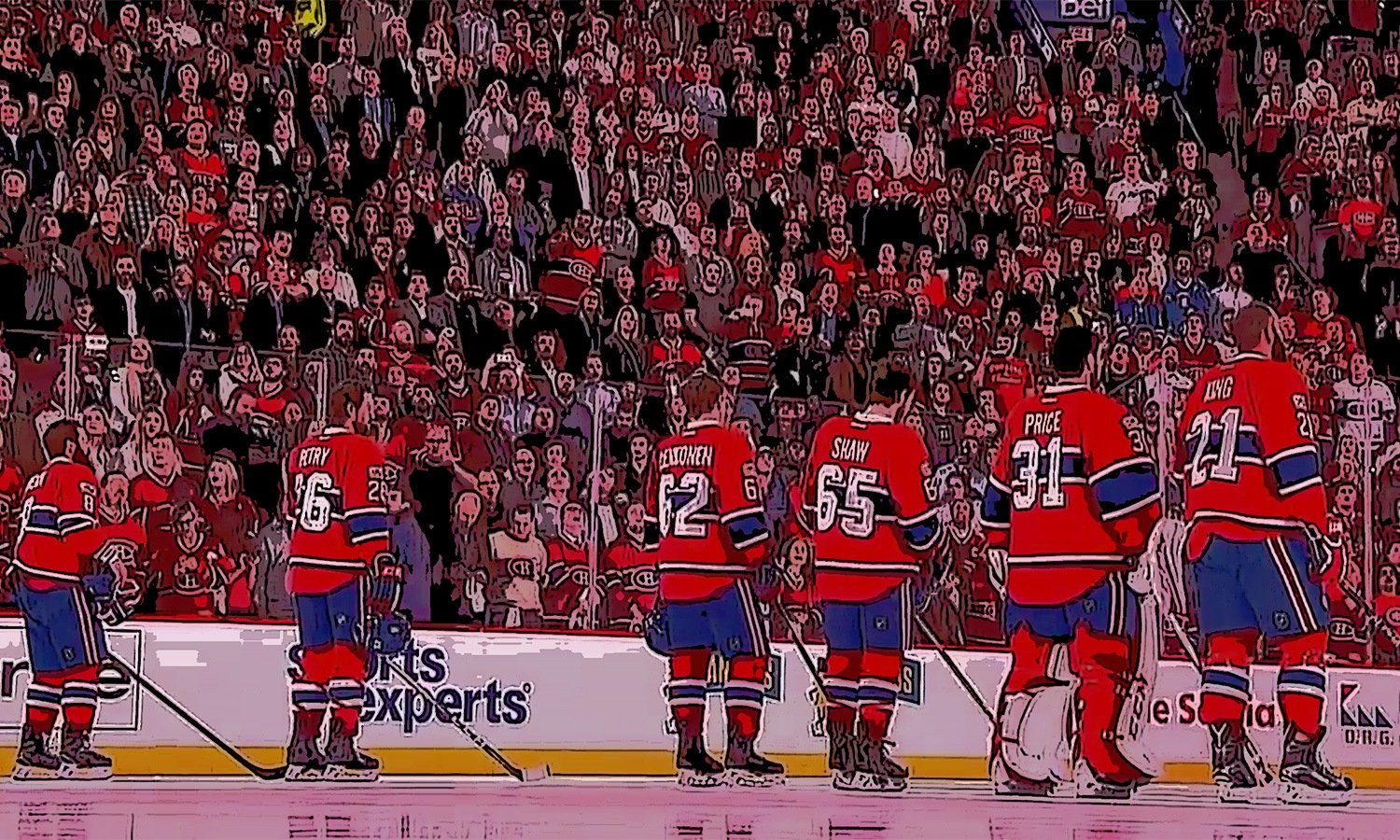
A typical Bruins game lasts around 2.5 to 3 hours.
Ever wondered how long does a bruins game last? It’s a common question for both new fans and seasoned hockey enthusiasts planning their evening. The game time itself is 60 minutes, but with intermissions, and potential overtime, it adds to the total time.
Usually, you’ll be looking at a commitment of roughly two and a half to three hours. This gives you time to enjoy the action, experience the energy, and maybe grab a bite to eat. Factors like penalties and stoppages might influence the game’s length a little.

How Long Does a Bruins Game Last?
Ever wondered how much time you should set aside to watch the Boston Bruins hit the ice? You’re not alone! It’s a common question for both die-hard fans and those just getting into hockey. Knowing how long a game lasts can help you plan your evening, whether you’re heading to the TD Garden or settling in on your couch. Let’s break down all the factors that influence the length of a Bruins game and what you can generally expect.
The Basic Structure of a Hockey Game
At its core, a standard NHL (National Hockey League) game, including Bruins games, is made up of three 20-minute periods. This means, if you only counted the time the clock is running during play, the game would be 60 minutes long. However, there are lots of breaks in the action that significantly extend the overall game time. Think of it like a school day: you have class time, but also breaks for recess, lunch, and passing between classes. In a hockey game, those “breaks” are things like intermissions, penalties, and stoppages.
What are Intermissions?
Intermissions are the breaks between periods. There are two intermissions in a standard game. These breaks allow players to rest, coaches to regroup, and the ice to be resurfaced. Each intermission is 17 minutes long in the NHL. That’s a good chunk of time, and it quickly adds to the overall game length.
Here’s a quick breakdown:
- First Period: 20 minutes of playing time
- First Intermission: 17 minutes
- Second Period: 20 minutes of playing time
- Second Intermission: 17 minutes
- Third Period: 20 minutes of playing time
If you just added all of the playing time and intermissions, you’d get 94 minutes. But there’s much more to it than that.
Understanding Stoppages and Their Impact
Beyond the intermissions, the actual game clock is not constantly ticking during the periods. Play is often stopped for many reasons, and each stoppage adds time to the overall game length. These stoppages are a key reason why the total time of a Bruins game goes beyond that 94 minutes.
Common Reasons for Stoppages
Here are some of the most common reasons why the clock stops during a Bruins game:
- Puck Out of Play: If the puck leaves the playing area and goes into the crowd, over the glass, or into the benches, play stops.
- Icing: This occurs when a player shoots the puck from behind their own blue line all the way to the opposing team’s goal line without it being touched by another player.
- Offsides: When an attacking player crosses the opposing team’s blue line before the puck, the play is stopped.
- Penalties: When a player breaks a rule, a penalty is called. Depending on the severity of the penalty, play may stop for 2 minutes, 4 minutes or 5 minutes.
- Goals: Naturally, the clock stops when a goal is scored so that the announcement is made and players can celebrate.
- Injuries: If a player is hurt, play will stop while they receive medical attention.
- Goaltender Freeze: When the goalie freezes the puck, by covering it with his glove, or stopping it against the boards or side of the net, then play stops.
- Timeouts: Each team can take one timeout during a game, which causes a stoppage.
- TV Timeouts: In some games, there are scheduled commercial breaks during periods. These may or may not occur, based on other stoppages.
How Stoppages Affect Game Length
All of these stoppages add up. Even seemingly quick breaks, like pucks leaving the playing area, can accumulate. Because of this, a typical Bruins game is going to last around 2 hours and 15 minutes to 2 hours and 45 minutes. You should plan for at least that length. Some games will end up taking even longer if there are many penalties or a lot of injuries. It’s hard to predict every single game exactly, but this is a good general timeframe to keep in mind.
What About Overtime and Shootouts?
Sometimes, a Bruins game ends in a tie after three periods. When this happens, the game goes into overtime (OT). Overtime is an extra period of play to decide the winner. In the regular season, overtime is a single five-minute period with three players on the ice for each team. The first team to score wins.
Overtime Variations
If there is no winner after five minutes of overtime, the game goes to a shootout. In a shootout, players from each team take turns trying to score on the opposing goalie. The team with the most goals after a set number of rounds, usually three, wins the game. If the score is still tied after three rounds, each team takes one shot until one team scores and the other does not, which is then known as sudden-death.
In the NHL playoffs, overtime is much different. Overtime periods in the playoffs are full twenty-minute periods with five players on the ice per team. There is no shootout in the playoffs. If there is still no winner after the first overtime period, then the game goes to another overtime period. These overtime periods continue until one team scores a goal. This can result in some very long games! Playoff games have lasted several overtime periods, with some games extending to over five hours total time!
The NHL uses a variation of this for all regular season games, with 3-on-3 overtime followed by a shootout. These tiebreakers can significantly increase the game’s total time. You’ll need to add the potential for these to happen when planning your evening if you are going to watch a live game.
Factors That Can Increase Game Time
Several factors can add unexpected time to a Bruins game. Understanding these can help you be prepared for a longer evening. Games are almost always a bit different from one to the next due to these factors.
Key Game-Time Variables
- Numerous Penalties: Lots of penalties mean more stoppages and time added to the clock, and the game.
- Injuries: If a player is injured, the delay will cause the clock to stop and the game to take longer.
- Close Games: Close, back and forth games tend to have more stoppages as players battle to gain an advantage.
- Many Video Reviews: When a goal is contested and is reviewed by the referees, it can add some time to the game.
- Lengthy Overtime: In playoff hockey, especially, long overtimes can cause games to extend to three, four, or even five hours.
These variables create a range of possible game lengths. While a typical game might be two and a half hours, a game with several of these factors may go closer to three hours or beyond.
Planning Your Game Day or Night
Now that you know how long a Bruins game can last, you can better prepare for your game day or night. Whether you are heading to a game, or just watching from your couch, it’s important to plan for the time commitment.
Tips for Planning
- Give yourself extra time: Plan for a game to last up to 3 hours. If it ends earlier, that is great! But if not, you won’t be caught off guard.
- Consider travel: If you’re going to TD Garden, factor in travel time to and from the venue. If you are attending the game in person, you will need to factor in extra time for security checks, concessions, restrooms and other possible delays.
- Plan around other activities: Coordinate around your other engagements and appointments for the day or evening. Don’t schedule things too close to the end of a game, to allow yourself time to decompress before you move on to your next activity.
- Be flexible: Be ready for a game to be shorter or longer than you expect. That is just part of watching live hockey games.
By being prepared and flexible, you can enjoy the action without worrying too much about the clock.
Knowing how long a Bruins game lasts helps fans, old and new, to better prepare for their game day and night. From the standard three periods to stoppages, overtime, and more, many factors can affect the overall time of a game. By planning for a game length of between two and a half to three hours you’ll be sure to have a great game day or night, and will never be caught off guard.
How long is a hockey game?
Final Thoughts
Therefore, a typical Bruins game lasts around two and a half hours. This includes three 20-minute periods and intermissions. Overtime, if necessary, adds extra time.
The total game duration, however, can vary. It depends on penalties, stoppages, and of course overtime. So, the exact answer to ‘how long does a bruins game last’ isn’t always fixed.

