
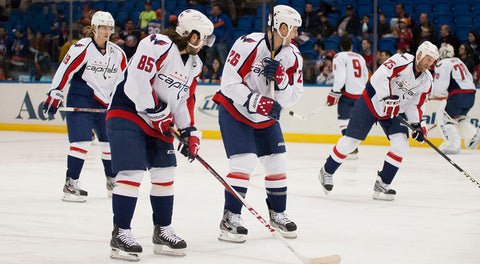
The total time a typical professional hockey game lasts, including intermissions, is around 2.5 to 3 hours.
Ever wondered, how long does a hockey game last including breaks? It’s a common question for newcomers and even longtime fans who sometimes lose track of time. The fast-paced action can make it feel like the game flies by.
We will delve into the typical duration and what affects the overall time. Understanding this can help you plan your evening around the game, whether you’re watching it live or on TV. Let’s explore the exciting world of hockey timing.

How Long Does a Hockey Game Last Including Breaks?
Ever wondered how long you’re actually going to be sitting in the stands watching a hockey game? It’s not as simple as looking at the clock and saying, “Okay, it starts at 7:00 and it’ll be over by 9:00.” There’s a lot more that goes into the total time of a hockey game, including all those exciting (or sometimes nerve-wracking) breaks. So, let’s dive into what makes up the length of a hockey game, including all those intermissions, penalties, and TV timeouts that keep us on the edge of our seats. This will help you plan your evening, whether you’re heading to the arena or settling in on the couch at home.
The Three Periods: The Core of the Game
The heart of every hockey game is the three periods. Each period is 20 minutes long of actual playing time. This means the clock is ticking only when the puck is in motion. If a whistle blows, whether it is for icing, offsides, a penalty, or a goal, the clock stops immediately. So, even though a period is marked as 20 minutes, it almost always takes longer than 20 real-time minutes to complete. Think of it like a pizza cooking. The timer says 15 minutes, but it takes much more time if you consider preheating the oven and all the prep work!
Understanding the Stop Clock
The stop clock rule in hockey is really important. Imagine a fast break down the ice – the puck is flying, the players are skating, and the excitement is building! Then, whistle – play stops. The clock stops too. The clock only restarts when the puck drops and the game resumes. This makes sure that when you see “20 minutes” for a period, it’s only the time that players are actively engaged in the game, not just time that has passed by.
- 20 Minutes of Playing Time: Each period is officially 20 minutes long.
- Stop Clock: The clock stops whenever play is interrupted.
- Variable Length: Due to the stop clock, a period can take anywhere from 25 minutes to 40 minutes to complete.
The Intermission: Time to Refuel
Between each of the three periods are intermissions. These are planned breaks that allow players to rest, coaches to talk strategy, and fans to stretch their legs or grab a snack. Intermissions are essential for the flow of a game, providing a break from all of the exciting action on the ice, and they are definitely part of the overall time of a hockey game.
The Length of Intermissions
The typical intermission in professional hockey (like the NHL) is 17 minutes long. This allows for players to get off the ice, dry off and hydrate, and take a breath before heading out again. The clock is running during this entire time. So while the intermissions help the players get ready for the next period, they are a huge part of why a hockey game isn’t just an hour long (3 periods x 20 minutes).
- Regular Intermission Length: Generally 17 minutes between periods in professional leagues.
- Shorter Intermissions: Can be shorter at lower levels (like in minor hockey, amateur or youth leagues).
- Halftime: There is no actual “halftime” like other sports, but it is essentially an intermission between the 2nd and 3rd period that can take on this function for a game.
Penalties: Adding to the Time
Sometimes players break the rules and get penalties. When a player gets a penalty, they have to go to the penalty box and their team plays short-handed for a certain amount of time. The clock doesn’t stop for a normal penalty, but a penalized team will play with fewer players which can affect the overall game time because penalties often lead to a higher chance of scoring which can lead to more stoppages. Penalties themselves are not timed, but the effect on the play and the game can contribute to the total game time. Penalties can vary and include minor infractions to game misconducts or match penalties, where the penalized player is ejected from the game and can result in an extended powerplay period for the opposing team.
Different Types of Penalties
- Minor Penalties: Usually 2 minutes long for infractions like tripping or hooking.
- Major Penalties: Usually 5 minutes long and given for more serious offenses like fighting or spearing.
- Misconduct Penalties: 10 minutes long and can be followed by a further penalty.
- Game Misconducts: The player is ejected from the game, but the team plays with full strength.
- Match Penalties: Player is ejected from the game and could face further suspension, and this results in a lengthy powerplay for the opposing team.
TV Timeouts: Commercial Breaks
When you watch hockey on TV, you’ll notice there are often short breaks for commercials. These are called TV timeouts, and they add to the total time of the game. TV timeouts are strategically placed to allow for advertising and for television crews to set up for replays and more. These are not counted on the main game clock, but they will cause the game to go longer than the actual game time.
How TV Timeouts Impact Game Length
TV timeouts are not consistent, and can vary in length based on the league and the television provider. These timeouts stop the game play for 90 seconds to 2 minutes, and these will add to the overall time of a hockey game. They usually occur after a stoppage in play, meaning a whistle has already blown and the game has been paused. There are a set number of these throughout the game, and they can be planned or occur spontaneously depending on the flow of the game.
- Commercial Time: TV timeouts are short pauses in the game for commercial breaks.
- Varying Length: These breaks can vary in length, typically lasting a minute and a half to two minutes each, or more.
- Not on Game Clock: TV timeouts do not affect the official game clock, but add to the total time elapsed.
Overtime: The Extra Period
Sometimes, a hockey game is tied at the end of the three periods. In that case, the game goes into overtime. Overtime rules can vary depending on the league and whether it is a regular season game or playoff game, but in general, it’s an extra period where the first goal wins. This can make the game end very quickly, or, if neither team scores, the game can go on for a while! The length of an overtime period can range from 5 minutes in the regular season, to 20 minutes in the playoffs. Sometimes if there is no winner in the initial overtime, extra periods will be added on until there is a goal.
The Thrill of Sudden Death
When a game goes to overtime, it’s sudden death, meaning the first team to score wins the game. Because it’s an extra period added on to the game, it impacts the overall length of the game. The clock is stopped during these overtimes exactly like during regulation. Overtime adds to the excitement of a hockey game because it’s a win or go home scenario. While overtime does impact the overall length of a hockey game, it is very popular among hockey fans.
- Sudden Death: The first goal wins the game in overtime.
- Varying Lengths: Overtime periods can be different lengths depending on the level of play and situation (regular season vs. playoffs).
- Game Extender: Overtime always adds to the total length of the game, and in some cases, if a game goes to multiple overtimes, the game can last for hours.
Factors That Can Change the Game Length
A few other things can affect how long a hockey game lasts. Sometimes an injury happens and the play needs to be stopped so the player can get some help, or sometimes there is a very long review of a goal, which can add even more time to a game. Any other stoppage in play will also add to the total time of the game.
Other Stoppages
- Injuries: If a player is injured, the game clock stops while they receive medical attention.
- Goal Reviews: If there’s a question about whether a goal was scored correctly, officials will review the play. This can take a few minutes.
- Equipment Issues: Sometimes, players have equipment issues, and the play has to stop while they are resolved.
- Ice Cleaning: In some leagues or situations, there can be extra ice cleanings, which will stop the game play.
Estimating the Total Game Time
Okay, so we’ve seen all the different parts that make up the total time of a hockey game. Let’s put it together. On average, a hockey game will last approximately 2.5 to 3 hours, depending on the factors discussed above. Here is how we can add up the time:
- Three 20-minute Periods: Each period usually takes 25 to 40 minutes to complete due to stoppages.
- Two 17-Minute Intermissions: This adds an additional 34 minutes.
- TV Timeouts: Usually adds 5-10 minutes across the game, especially if it is televised.
- Penalties and other stoppages: Add variable time.
- Overtime: Adds 5-20 or more minutes if the game requires.
Based on these factors, we can see that the actual playing time of 60 minutes is more than doubled by the intermissions, penalties, stoppages, and timeouts. So, even if the hockey game you are watching is on TV or in person, you can expect to be watching for roughly 2.5 to 3 hours.
So, next time you are watching a hockey game, now you know how all the little components of a game add to the overall time. You won’t be surprised that a 20 minute period actually takes closer to 40 minutes when you consider all the aspects like stoppages and intermissions. Plan ahead and enjoy the action on the ice!
Hockey Player Dies in Game | #adamjohnson #neuralnarrative
Final Thoughts
A standard hockey game lasts 60 minutes of playing time, divided into three 20-minute periods. However, intermissions between periods and stoppages for penalties and puck out-of-play mean the total time is considerably longer. These breaks, along with other stoppages, greatly extend the overall time.
So, how long does a hockey game last including breaks? Typically, you can expect the game to run around 2.5 to 3 hours. This is a useful timeframe to keep in mind when attending or watching a match.

