
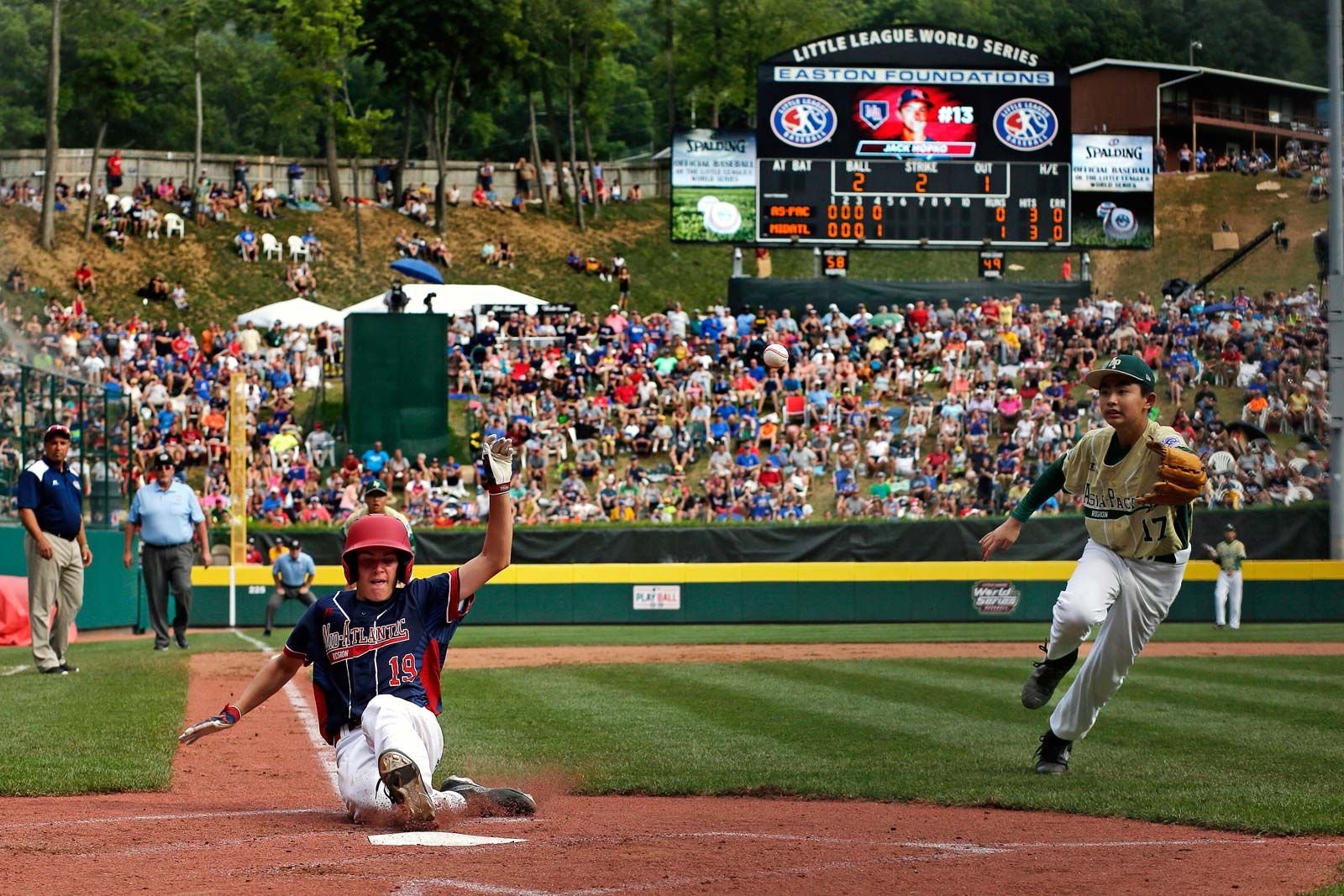
A standard little league baseball game typically lasts around 1.5 to 2 hours.
Have you ever wondered how long does a little league baseball game last? It’s a common question for parents and fans new to the sport. The duration isn’t as fixed as in professional leagues, but it usually falls within a predictable range.
Factors like the age of the players, the number of innings, and even pitching changes can influence the total time. Most games will wrap up in a couple of hours, giving everyone plenty of time for post-game snacks and celebrations.

How Long Does a Little League Baseball Game Last?
So, you’re wondering how long you’ll be at the ball field cheering on your little slugger, right? It’s a very common question for parents, grandparents, and anyone new to the world of Little League baseball. The good news is, unlike those super long pro games, Little League games usually wrap up in a reasonable amount of time. But there are a few things that can affect just how long you’ll be there. Let’s dive in and break it all down so you know what to expect!
Understanding the Basic Time Limits
The foundation of understanding game length begins with the official rules. Little League Baseball has specific time limits and inning structures in place to keep games moving at a good pace and, most importantly, to protect the young players from fatigue. These rules vary a little depending on the age division, so let’s look at the most common ones.
Regular Season Game Length
During the regular season, Little League games are generally designed to be shorter than professional or even high school games. Here’s what you can typically expect:
- Innings: Most Little League divisions play 6 innings. This means each team gets 6 chances to bat.
- Time Limit: Many leagues also implement a time limit. This is usually around 2 hours. So, even if the 6 innings aren’t complete, the game might end if the time limit has been reached. This time limit is in place to help keep things moving and not run into other scheduled games or events.
- Tie Games: In some cases, if the score is tied at the end of the 6 innings or the time limit is reached, the game might be declared a tie or, in some leagues, extra innings might be played (depending on the specific rules).
Playoff Game Length
When it comes to the playoffs, things can change a bit. Playoff games are often considered more important, so there are usually fewer time constraints.
- Innings: Playoff games generally still have 6 innings.
- Time Limits: Time limits are often removed for playoff games. The focus is more on completing the full 6 innings and finding a winner. This means playoff games often tend to run longer than regular season games.
- Extra Innings: If a playoff game is tied after 6 innings, extra innings are usually played until one team has a higher score.
Factors That Influence Game Length
Even with the standard time limits and innings in place, several other things can make a game go longer or quicker. Here are some key factors to consider:
Pace of Play
The speed at which the game is played can heavily impact how long it takes. A few things that affect the pace include:
- Pitching Speed: A pitcher who throws quickly and with accuracy will generally lead to a faster-paced game. A pitcher that takes a long time between pitches can slow the game down.
- Batting Speed: If batters are quick to the plate, take their swings and don’t linger, then that keeps the game flowing. However, players taking a long time to get ready in the batter’s box or calling lots of time-outs can certainly add time.
- Fielding Errors: Errors in the field can sometimes lead to longer games. More base runners and more chances for runs can draw things out longer than a cleaner game.
- Base Running: When runners get on base, they can sometimes slow things down. Stealing bases, taking extra bases, and any plays at the plate can take some time, especially if close calls are involved.
Number of Runs Scored
The more runs scored, the longer a game will likely take. Think about it – more runs mean more time spent batting, more base running, more times the defense is out on the field, and more time celebrating with teammates after scoring.
- High Scoring Games: Games with lots of hits and runs often take much longer than low-scoring affairs. Every scoring play involves a certain amount of time, so those time amounts accumulate.
- Low Scoring Games: Conversely, a low-scoring game, where pitchers are striking out batters frequently, can be over relatively quickly. When there’s not much scoring, the game tends to fly by.
Age Division
The age of the players in a division can significantly affect the game’s length. Younger divisions typically have shorter games, while older divisions tend to play longer ones.
- T-Ball & Coach Pitch: These divisions for the youngest kids usually have the shortest games. They may not even play full innings and might focus more on learning the basics of the game and having fun. These games can sometimes be only an hour, or less.
- Minor League: Games are usually 6 innings, but can be shortened if the time limit is reached. Games in this level tend to be quicker than older groups because of less advanced playing abilities.
- Major League: These games often stick to the 6 innings. Play might be faster than younger divisions, but more hits and base running might lead to a longer time.
- Intermediate/Junior League/Senior League: These older leagues can have a mix of time and innings rules, but generally take the longest. Games can easily stretch longer than two hours.
Weather Conditions
Mother Nature can also play a role. Bad weather can halt play, making the game last longer or need to be rescheduled entirely.
- Rain Delays: If it starts raining, the game could be delayed. The time it takes to get back to playing depends on how long the delay is, and how fast the field dries up.
- Extreme Heat or Cold: While less common, extreme weather may also cause delays or even cancel games, or delay game start times.
League-Specific Rules
Every Little League has their own set of rules. Some leagues may have a shorter time limit or other rules designed to keep games moving. Some rules to consider:
- Run Limits Per Inning: Some leagues might have a limit on how many runs can be scored per inning. Once that limit is reached, the inning ends, even if there are still outs left. This can speed up the game a little bit.
- Mercy Rule: The mercy rule says a game is over if one team has a large lead. For example, if a team is up by 10 runs after 4 innings (rules vary), the game ends. This can prevent very long, lopsided games.
- Mandatory Play Rules: Some leagues require every player to play a certain amount of time. This rule is great for player development, but can also sometimes slow things down.
A Typical Little League Game Timeline
Let’s break down how a typical game might unfold, to give you a better idea of where the time goes. Keep in mind that this is just an example, and your child’s game might be different.
Pre-Game Warm-Up
- Time: About 30-45 minutes before the game.
- What happens: Players warm up with stretching, light throwing, and maybe some batting practice. The teams might take time to practice their position in the field. This time is important, but it is not part of the official game time.
Game Time
- Innings 1-3: The game usually starts fairly quickly. The first three innings tend to be the fastest since everyone is fresh.
- Middle Innings (4-6): These innings can vary the most depending on the game’s pace. Sometimes they are fast, sometimes they are long.
- Potential Extra Innings: If a game goes into extra innings, that can add some time, maybe 20 minutes or more.
Post-Game
- Time: 15-30 minutes
- What Happens: Players clean up, do some high fives, and maybe get a team talk from the coaches. This is often after the final out. This is not considered game time.
Helpful Tips for Parents and Spectators
Now that you know what to expect regarding game length, here are a few helpful tips to make your time at the ballpark enjoyable:
- Be Prepared: Pack sunscreen, hats, water, and snacks. It’s good to be ready for all kinds of weather conditions and potential delays.
- Be Patient: Games can have some lulls or delays. Be patient and enjoy watching the kids play.
- Cheer Positively: Be encouraging and supportive to all the players. Good sportsmanship is always appreciated!
- Bring a Chair: It’s nice to have a comfortable seat during the game.
- Arrive Early: This allows you to get a good seat and watch the kids warm up before the official game time.
So, “How long does a Little League baseball game last?” While it’s hard to give an exact answer, the general rule is to plan for around 2 hours for a regular season game. But remember, factors like pace of play, the number of runs scored, the age division, the weather, and league-specific rules can all influence that timeline. Being prepared for some variance and enjoying the game no matter what is the best way to approach it!
How a 12 Year Old RUINED This Baseball Game
Final Thoughts
Typically, a little league baseball game lasts around 1.5 to 2 hours. This timeframe can vary based on the specific league rules and the pace of play.
Several factors influence the duration. These include the number of innings played and any time limits enforced. The skill level of the players also affects how long a game lasts.
So, how long does a little league baseball game last? Generally, plan for about two hours, but be prepared for slight variations in the total time.

