
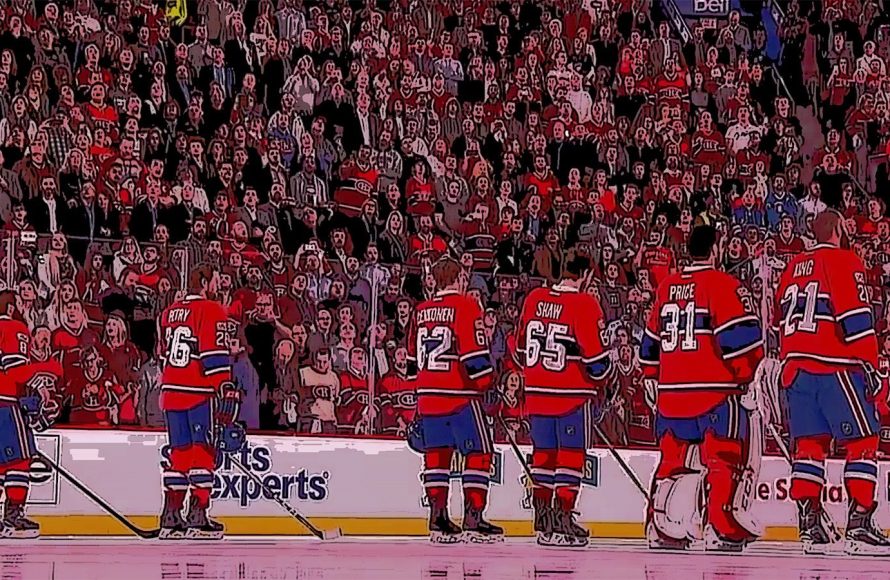
An NHL hockey game typically lasts around 2.5 to 3 hours, including intermissions.
Ever wondered about the duration of a high-energy hockey match? You’re not alone; many people ask, “how long does an nhl hockey game last?” It’s a common question for new fans and even seasoned viewers looking to schedule their evening.
Understanding the time commitment can help you plan your viewing experience. The game itself consists of three 20-minute periods, but that is not the whole story.
Intermissions, stoppages, and potential overtime all contribute to the overall length. So, getting the full picture means considering these extra factors.

How Long Does an NHL Hockey Game Last?
Let’s dive deep into the world of hockey and explore the question everyone asks: how long is a real NHL game? It’s more than just three periods, and there are a lot of interesting things that can affect the time. We’ll break down everything you need to know about the different parts of an NHL game and how they contribute to the total time you’ll be watching.
The Standard Game Length: Three Periods
At its core, an NHL game has three periods. Each period is 20 minutes long. That’s 60 minutes of action if you only consider the time the clock is running. So, on paper, that’s an hour. But real games don’t run that simple!
The Reality of Game Time: Stoppages and Breaks
The actual time of the game is very different from those sixty minutes of pure playing time. Think about it: when there’s a penalty, when someone scores a goal, when the puck goes out of bounds, or when players need to get a face-off, time stops. These “stoppages” really add to the overall game time.
Between each of those 20-minute periods, there’s an intermission break. These breaks are generally 18 minutes long. They give the players a chance to rest, and the fans time to stretch their legs, get a snack, or talk about what they’ve seen so far. So, right there, with two intermissions, we’re adding about 36 minutes to the total game time.
When we add up the total time of the periods, 60 minutes, with the two intermissions of 36 minutes, we get around 96 minutes. But still, that’s not the total amount of time you’ll be spending watching an NHL game. It’s closer to 2.5 to 3 hours. Let’s see why.
Understanding Different Kinds of Stoppages
Not all stoppages are the same. Some take longer than others. Let’s look at some of the most common reasons the clock stops during an NHL game:
- Goals: When a goal is scored, there’s a brief pause for celebration and the goal to be officially recorded.
- Penalties: When a penalty occurs, the clock stops to allow for the call to be made and the penalized player to go to the penalty box. This may also include reviews if the infraction is debatable.
- Icing: When a player shoots the puck from behind their own half of the ice, past the other team’s goal line without touching another player, it’s called icing. The game stops for a face-off.
- Offsides: An offside occurs when a player is in the offensive zone before the puck. Play stops and it’s a face-off at a neutral zone spot.
- Puck Out of Play: When the puck leaves the playing area, the game stops for a face-off.
- Injuries: If a player gets injured, the game stops for medical attention. This can sometimes lead to longer stoppages depending on the severity of the injury.
- TV Timeouts: Some stoppages are pre-planned for television broadcasts and commercials. This adds extra time to the game, typically at least one per period.
All these little stoppages, and more, add up during a game, which is why an NHL game always goes longer than just the 60 minutes of play time and 36 minutes of breaks.
Overtime: When Games Go Beyond Regulation
Sometimes, at the end of those three periods, the score is tied. Then we move into overtime. In the regular season, the first overtime period is five minutes long, and it is sudden death. Sudden death means if someone scores, the game is over. There is also a three-on-three format for overtime, adding more open space and excitement to the period.
If a goal isn’t scored in overtime, the game goes into a shootout where players from each team take turns attempting to score on the opposing goalie. This is just for the regular season, and doesn’t occur in the playoffs.
Playoff Hockey: Length and Intensity
When we get to the playoffs, things change a bit. Playoff games have the potential to last much, much longer. If the game is tied after the three periods of regulation time, the teams go into a full 20-minute overtime period. This is not sudden death, so they keep playing the whole 20 minutes unless someone scores. If there is no goal, they continue with another 20 minute period. They keep playing these 20-minute periods until one team scores. This makes the total game length highly unpredictable. Playoff games can go for several overtime periods, potentially adding hours to a game’s length. This creates very exciting and tension filled games!
Factors That Influence Game Length
Besides the basic rules, some additional factors can affect how long a specific hockey game will last:
- Number of Penalties: More penalties mean more stoppages, which means a longer game.
- Game Flow: Games with frequent scoring and back-and-forth action tend to have more stoppages and take longer.
- Video Reviews: Video reviews for close calls can add several minutes to game time.
- Injuries: Serious injuries that require medical attention will add extra time to a game.
Specific Examples
For example, a game with a lot of fights and penalties will naturally have more stoppages. On the other hand, a game where the flow is very good, there are very few stoppages. This will probably go by faster. However, remember that no matter what, TV timeouts can happen during the game, and this impacts how long the game actually lasts. Even a “fast game” can get closer to that 2.5 to 3 hour mark because of TV.
Estimating Game Length: What to Expect
So, while it’s difficult to say exactly how long a game will last, here’s a general idea of what to expect:
- Average Regular Season Game: Expect an NHL game to last around 2.5 to 3 hours. This includes the 60 minutes of game time, 36 minutes of intermissions, and stoppages throughout the game.
- Overtime in Regular Season: If the game goes into overtime, add approximately 5-10 minutes (plus time for the shootout if needed).
- Playoff Games: Playoff games, especially those that go into multiple overtimes, can extend to 3.5 hours, 4 hours, or even longer.
Keep in mind, these are estimates. Always plan for a bit of extra time if you’re going to an NHL game!
How to Stay Updated on Game Times
If you really want to know exactly when the game will be over, it’s useful to follow the game on the app. Apps from the NHL or the team you’re watching typically show the game clock, what period they are in, and the score. You will be able to see when the period starts or ends, so it is easier to know how much time has passed. This can be helpful for planning after a game. For instance, if you want to know if you will be able to catch the bus home, or need to leave to go to bed, being able to look at the app can make it easier.
The Impact of Game Length on Fans
The total time of a game can be quite long. When planning on watching an NHL game live at the arena or on television, you need to plan your schedule accordingly. Many fans will schedule their evening around the game, whether they plan to go to a bar or sit on the couch at home. Because of all the different factors that affect the length of a game, it’s not always easy to predict when the game will be done. Some fans may have other things they need to get done, which can make it difficult to watch games that go longer than expected. This is why it is important for fans to know, and keep up to date, with the different game rules.
How Game Length Affects Players
It is not only fans that need to be aware of game length. Players often have to prepare before and after the game, including practice and working out. If an NHL game goes longer than anticipated, this can disrupt their routines. The more time on the ice, the more their bodies have to exert energy. This can lead to fatigue, especially if there are many games in a short time frame. Players need to be mentally and physically prepared for games that may be longer than expected, which requires training and conditioning.
So, while the clock on the ice may say 60 minutes, an NHL game is much more than that. It’s an experience that can stretch for hours, filled with exciting moments, breaks, stoppages, and maybe even overtime. Understanding all the aspects that influence game length gives you a deeper appreciation for the sport and helps you plan your viewing time effectively!
The Best Player Ever! (@goleafsg0)
Final Thoughts
A standard NHL hockey game lasts 60 minutes of playing time, divided into three 20-minute periods. However, stoppages for penalties, goals, and other breaks cause the actual game duration to be much longer. Overtime and shootouts can further extend the total time.
Therefore, if you are wondering, ‘how long does an nhl hockey game last’, anticipate approximately 2.5 to 3 hours total, this includes intermissions between periods. Knowing this will help you plan for attending or watching a match.

