
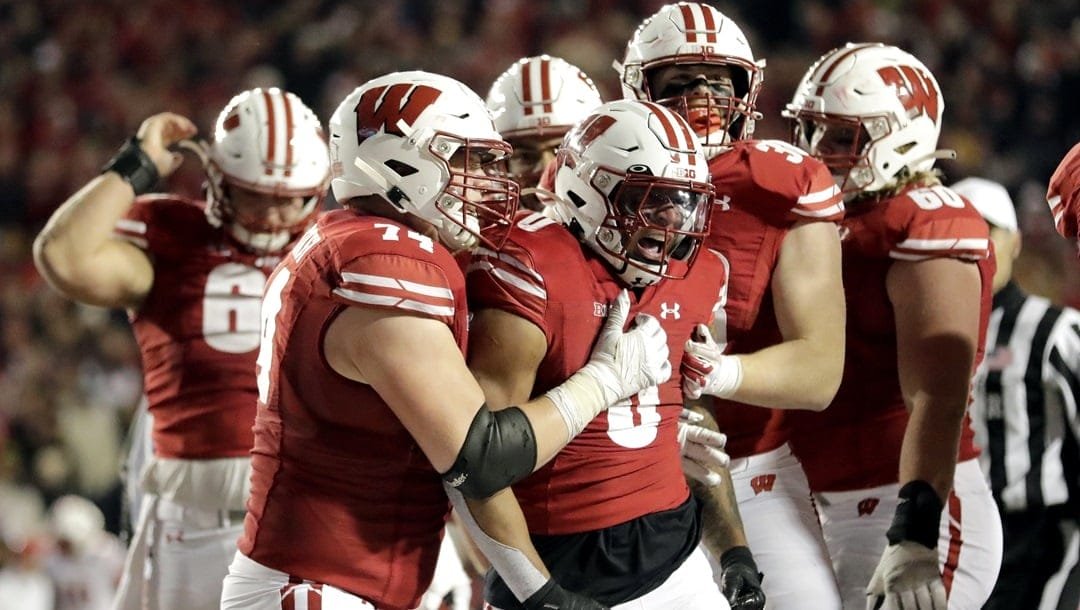
The average college football game lasts approximately 3 hours and 15 minutes.
Ever wondered how long does the average college football game last? It’s a question many fans and newcomers to the sport often ask. Planning your Saturday around tailgates and games can become quite a calculation.
The duration can vary slightly based on factors like TV timeouts and overtime periods. However, a typical game will usually fall within that 3-hour and 15-minute timeframe. This helps in budgeting your time for all the weekend fun.

How Long Does the Average College Football Game Last?
College football games are a big deal! They’re full of excitement, big plays, and nail-biting moments. But if you’re planning your Saturday around watching your favorite team, you might be wondering, “Just how long will this game take?” Well, you’ve come to the right place! We’re going to break down everything that goes into the length of a college football game, so you know what to expect.
The Basic Time Structure
At its core, a college football game is divided into four quarters, each lasting 15 minutes. That seems simple enough, right? Four 15-minute quarters means 60 minutes, or one hour, of playing time. However, that’s not the full story. If you’ve ever watched a game, you know it usually takes much longer than an hour to complete. The reason is something called “dead time” which we will get into detail.
The Clock is a Liar!
The game clock in college football only runs when the ball is in play. When a play ends, the clock stops. Think of it like a pause button being hit after every down. That’s why those 15 minute quarters stretch out so much longer. Here’s a look at why the clock will stop and add time to your game watching experience:
- Incomplete Passes: When a pass isn’t caught, the clock stops until the next play starts.
- Out-of-Bounds Plays: If a player carrying the ball runs out of bounds, the clock stops.
- Penalties: When a team does something against the rules (like holding or pass interference), the clock stops while the penalty is sorted out.
- Change of Possession: Whenever a team gains possession of the ball, such as with an interception or fumble recovery, the clock stops.
- Touchdowns and Extra Points: After a touchdown, the clock stops so the team can kick an extra point or attempt a two-point conversion.
- Injuries: If a player gets hurt, the clock stops to allow them to get medical attention.
- Timeouts: When a coach calls a timeout, it pauses the game clock.
- Quarter Breaks: There are also breaks at the end of each quarter for teams to switch sides of the field and for the TV broadcasters.
Halftime: A Big Pause
Another significant contributor to the overall game length is halftime. This break usually lasts for about 20 minutes. It allows players to rest, coaches to make adjustments, and, of course, the fans to visit the restrooms or grab more snacks. Halftime shows can also stretch the time out a bit too.
How Do These Factors Impact Game Length?
With all of these factors in play, it’s not uncommon for a college football game to run well past that initial 60-minute mark. So how long does a college football game actually take? On average, a typical college football game will last approximately 3 to 3.5 hours. This is an estimate, and some games can be much shorter, or much longer, depending on many circumstances.
Factors That Shorten or Lengthen Games
While the average game time is around 3 to 3.5 hours, several things can make a game shorter or longer.
- Low-Scoring Games: If both teams struggle to score, the clock tends to keep running more often. Fewer touchdowns and less time spent reviewing plays on video replay can make games shorter. When you see a lot of running plays that stay inbounds and avoid penalty flags, game time goes down.
- High-Scoring Games: Lots of touchdowns mean more stops for extra points, more celebrations and more time spent on replays, which ultimately makes the game longer. Games with many passing plays also tend to take more time because those plays are more likely to lead to incomplete passes and thus time stoppages.
- Close Games: When the game is close, teams might use their timeouts and strategize more often, which can increase the time it takes to play the game. Also, with all the excitement of a close game, there tends to be more penalties, and those do take additional time for officials to manage.
- Blowouts: If one team is winning big, the losing team might not use their timeouts as much and this helps games move along faster. Coaches will sometimes remove some starters from the game to avoid the risk of injury, which can impact the game dynamic also.
- Video Replay: When plays are reviewed by officials using video replay, it adds time to the game length, as the officials want to ensure that they make the correct call on the field.
- Overtime: If the game is tied at the end of regulation (the end of the fourth quarter), teams have to play an overtime period. The overtime rules in college football can add to game length. This makes the game longer. In fact, with some long overtime games, that can add more than an hour to the overall game length!
A Deeper Look at Game Timing
Let’s dive a bit deeper into specific aspects of game timing to further understand game length.
The Role of the Play Clock
In addition to the game clock, there is another clock called the play clock. After the referee puts the ball in play, the offense has 40 seconds to begin the next play. If the offensive team does not snap the ball into play before that 40 seconds is up, the team is penalized for a delay of game penalty. This is another way the game clock is managed. Because that 40 seconds includes the time of a new play, it helps move things along. However, even that play clock can be stopped in certain situations, like time outs or penalties.
Television and Commercials
Television broadcasts also affect the length of a college football game. TV networks need time for commercials, and that can also add to the overall game length. These commercial breaks happen between plays, at quarter breaks, and during halftime. The television network contracts allow certain commercial lengths and frequencies, and this adds to the time it takes to view a college football game. Because of this, a live game that isn’t on television will move faster. Television is a big part of modern college football and affects your viewing experience.
The Impact of Instant Replay
Instant replay has become a standard part of college football. Although it helps officials make better calls, it can also add to game length. When a close play is reviewed, the clock stops while officials examine the replay footage. This can sometimes take a few minutes, and all that time adds up. The use of video replay is an important part of the modern game, but also adds more time to your viewing experience.
Breaking Down the Time: A Typical Example
To help visualize what a college football game’s typical timing looks like, let’s break it down into the average times we’ve discussed:
- Actual playing time: 60 minutes (four 15-minute quarters).
- Halftime: 20 minutes.
- Time between plays, penalties, timeouts, etc.: Approximately 90-120 minutes.
- Total time for an average game: Roughly 3 to 3.5 hours.
This breakdown is just an estimate. A game that is full of penalties and a large amount of scoring, for instance, could take longer, while a low scoring affair will tend to move faster.
How to Plan Your Game Day
Now that you know how long a college football game usually lasts, you can plan your game day activities better. Here are a few tips:
- Allow Plenty of Time: Plan for at least 3.5 hours when watching a typical college football game. This leaves room for possible overtime or a high scoring affair.
- Check the Game Schedule: If you are planning on attending a game, make sure to verify the game start time. It may be a bit different from previous games you have seen.
- Check for Updates: Before the game, it is helpful to check for any potential delays or weather concerns that might impact the game time.
- Plan around Halftime: If you are having people over to watch the game, understand that halftime is approximately 20 minutes and you can plan your food preparation or social time around it.
The Game Clock and its Strategy
Coaches have a special understanding of how the game clock works, and they use it as a tool within the game plan. If a team has the lead near the end of a game, they will try to keep the clock running to help ensure their victory. A coach may want to run the ball instead of throw, or try to make sure the players stay in bounds to keep that clock ticking. If they are behind, coaches will instruct the team to try to make plays that stop the clock, like throwing incomplete passes. Here are some situations and how coaches may use the clock:
Controlling the Game Clock
When a team is ahead, they often want to keep the clock running to prevent the other team from having a chance to come back and score. If a team has a lead with only a few minutes to go in a game, you can expect them to run the ball to keep the clock going. They do this by staying in bounds and avoiding incomplete passes, keeping the clock running. By keeping the clock moving, a team with the lead can limit the opposing team’s opportunities to score, and protect their lead.
Stopping the Clock for the Offense
A team that is behind may want to stop the clock as often as possible to give their team more time to score. They are going to want to make plays that will stop the game clock, like throwing incomplete passes. Also, a team will save their timeouts to try to give the team more chances with the ball. The better the team is at managing the game clock, the better chance the team will have to come back to win the game.
Understanding End-of-Game Strategy
The end of a close game can become complex, with coaches trying to use all of their resources to get the victory. The last two minutes of a close game is often called the “two-minute drill” and in that short period you may see a number of clock stoppages, timeouts and important play calls. In these situations, it can be important to know how time can be used to help ensure a win.
Why Game Length Matters
Understanding the average college football game length can help you manage your time and expectations for watching the game. It helps plan activities for tailgating, viewing parties, or a simple afternoon in front of the television. But even beyond planning purposes, understanding game length helps enhance a viewer’s appreciation of the game. Understanding how the game clock works is part of being a true fan. Knowing how game length changes because of different factors makes you a better fan and helps you to really appreciate all that goes into a college football game.
College football games, while scheduled to have 60 minutes of play, typically last between 3 and 3.5 hours due to various factors that stop the clock. These factors include incomplete passes, penalties, timeouts, scoring plays, TV commercial breaks, and more. Understanding these influences will help you better plan your viewing time and deepen your appreciation for the strategy and action on the field.
CFB 25 RUINED this players life🤯 #collegefootball #cfb #cfb25 #ncaa #bigten #goblue #ohiostate
Final Thoughts
Typically, a college football game lasts about three hours and fifteen minutes. Several factors can influence this, like television timeouts and overtime periods. These elements can sometimes significantly extend game duration.
Ultimately, how long does the average college football game last? Expect roughly three hours and fifteen minutes, though variability exists. Plan your schedule accordingly, allowing for potential overruns due to game events.

