
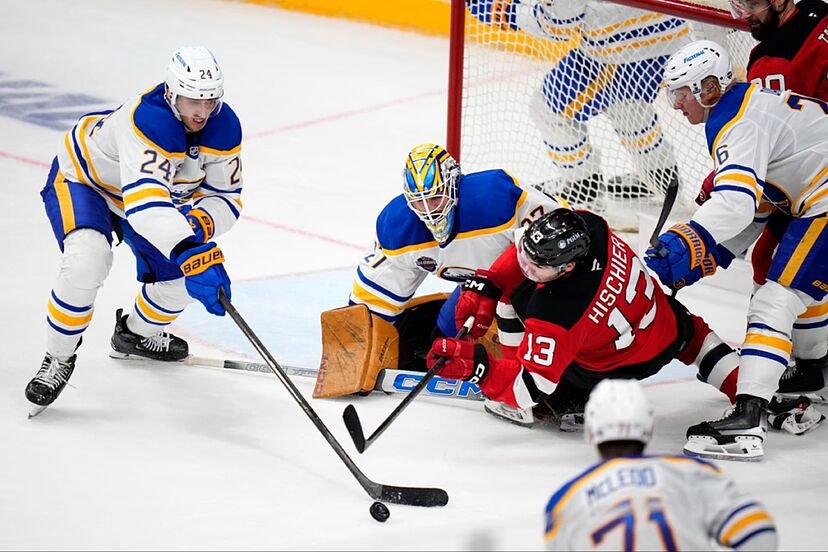
How long hockey games last? The standard length of a hockey game is 60 minutes, divided into three 20-minute periods.
Ever wondered about the pace of ice hockey, and specifically, how long hockey games last? It’s a common question for those new to the sport or even seasoned fans. The game clock and the flow of play create a unique experience.
Understanding the timing elements provides a better appreciation. There are breaks between periods, and potential overtime scenarios add to the game’s duration. So, while the official time is set, the actual time can vary.

How Long Hockey Games Last: A Deep Dive
Ever wondered exactly how much time you’ll spend cheering (or maybe holding your breath!) during a hockey game? It’s not as simple as saying “an hour” or “two hours.” The length of a hockey game can change depending on a few things. Let’s explore all the parts that contribute to how long hockey games last.
The Basics: Regulation Time
The main part of a hockey game is called regulation time. This is the standard playing time, and it’s split into three periods. Each period in a professional hockey game is 20 minutes long. So, a standard game would have a total of 60 minutes of playing time (20 minutes x 3 periods). This is like the main event you came to see!
But, here’s a little twist: the clock doesn’t run continuously. That’s right, it stops whenever the puck leaves the playing area, when a penalty happens, or when there is a timeout requested. So, what looks like 20 minutes on the clock actually takes longer in real time. The play is very fast-paced, the breaks allow the players to regroup and catch their breath.
Why Does the Clock Stop?
The clock stops for a bunch of reasons. Here are a few key examples:
- Puck Out of Play: If the puck is shot out of the rink or if it gets trapped, play stops so it can be brought back into play.
- Penalties: When a player does something against the rules, play stops, and the player is sent to the penalty box.
- Injuries: If a player gets hurt, the game is stopped to help the player.
- Timeouts: Each team gets a timeout during the game, and it pauses the clock.
Because of all these stoppages, a 20-minute period often takes about 30 to 40 minutes of real time. You can expect each 20-minute period to extend because of all these breaks and stoppages. These pauses are essential parts of the game.
Intermission Time: The Breaks Between Periods
After each period, there’s a break called an intermission. It’s a chance for players to rest, regroup, and strategize. And it’s also a chance for fans to get up, stretch their legs, grab a snack, or visit the restroom. These intermissions are also an important part of the game experience.
How Long Are Intermissions?
Typically, an intermission lasts 15 to 18 minutes in professional hockey. This gives the players enough time to recover and the ice to be resurfaced, keeping the play smooth and fast. However, the intermission duration may be a bit shorter for youth or lower-level leagues.
So, while the actual playing time is only 60 minutes, the intermissions add more time. The breaks make the whole experience a little longer. These breaks are important for player safety and the quality of the game.
Overtime: When the Game Isn’t Decided in Regulation
Sometimes, the game ends with both teams having the same score after the regular three periods. This means it’s time for overtime! Overtime gives both teams a chance to win in sudden death. This part of the game adds extra excitement and can really change the total duration of the game.
Different Overtime Rules
The rules for overtime can vary depending on the league or tournament. Here’s a breakdown of common overtime formats:
- NHL (National Hockey League): In the regular season, overtime is a 5-minute period played with only three players on each team. This is called 3-on-3 overtime. If no one scores during the 5-minute overtime, it goes to a shootout. In the playoffs, overtime periods are 20 minutes long, and the game keeps going until one team scores a goal. The first goal in the playoffs wins the game, it is considered sudden death.
- Other Leagues: Many other leagues, like college hockey or junior hockey, may have different overtime rules, often using longer overtime periods or no shootouts in the regular season.
How Overtime Impacts Game Length
Overtime can add anywhere from 5 minutes to potentially many more minutes of play, depending on the league and whether a goal is scored quickly. Playoff games can sometimes have multiple overtime periods, significantly extending the game’s length. Think of those playoff overtimes as an epic battle that is hard to predict, which can sometimes continue for more than an hour.
Total Game Time: Putting it All Together
So, let’s add it all up. The typical hockey game includes:
- 60 minutes of regulation time
- Two intermissions of 15-18 minutes each (approximately 30-36 minutes total)
- Overtime if necessary, which can range from 5 minutes to much longer
That means that even without overtime, most hockey games will take around 2 hours to 2 hours and 15 minutes to complete. However, with penalties, injuries and TV timeouts, this time can extend as well.
Here is a breakdown of the typical timings:
| Game Segment | Typical Duration |
|---|---|
| Regulation Play (3 periods) | 60 minutes |
| Intermissions (2) | 30-36 minutes |
| Average Stoppages | 30-45 minutes |
| Total Time Without Overtime | Approx. 2 hours to 2 hours 15 minutes |
| Overtime (if needed) | 5 minutes to indefinite (playoffs) |
Factors That Affect Game Length
Several things can affect how long a hockey game really lasts:
- Number of Penalties: Many penalties mean more stoppages, which can really drag out a game.
- Injuries: If there are serious injuries, there are more stoppages while the medical staff takes care of the player.
- Overtime: Playoff games with extended overtimes can cause the game to continue for many more hours.
- Television Timeouts: Some leagues might have extra stoppages for television commercials, especially on national broadcasts.
- Goal Reviews: If a goal is questionable, it will require a review by the referees, and this can be lengthy as well.
Youth Hockey: Shorter Game Times
Things are a bit different in youth hockey. Games are often shorter to suit the younger players’ attention span and physical abilities. Typically, youth hockey periods are 10, 12 or 15 minutes instead of 20 minutes. The number of periods can also change depending on the age group and the league. Here is a table of typical youth hockey game durations:
| Youth Hockey Age | Period Length | Typical Game Duration (Without Overtime) |
|---|---|---|
| Under 8 | 10-12 minutes | 45-60 minutes |
| Under 10-12 | 12-15 minutes | 1 hour – 1 hour 30 minutes |
| Under 14-16 | 15-20 minutes | 1 hour 30 minutes – 2 hours |
Also, intermissions in youth hockey are usually shorter, maybe about 10 minutes, and overtime rules may also be different, with some using a sudden-death format or not having overtime at all in regular-season games. These changes ensure that the game is appropriate for the developing skill and stamina of younger players.
The Role of League and Level of Play
The league, level, and specific rules also contribute to how long a game lasts. Professional leagues, like the NHL, have very specific rules designed to maximize excitement, engagement, and the overall viewing experience. Minor leagues, collegiate leagues, and amateur leagues might have variations of the rules that could influence game duration.
For example, some leagues might not use a shootout, opting for longer overtime periods instead. Some leagues may have different time-out rules and this can change the length of the game. Each league also sets its own rules about penalties, and these regulations impact the number of stoppages during games, and can influence the total duration of the game. The specific rules of each league are critical when trying to gauge how long the games will last.
Also, tournament formats may have their own special rules that can lead to changes in the length of the game, such as shorter overtime or other variations. The format of each match can have a direct impact on the total length of the game.
So, whether you’re a spectator or a player, understanding that these different rules and formats can change how long hockey games last can help you plan your time more efficiently.
Understanding all these components can give you a more informed perspective on how long you will be at the arena or sitting in front of your TV. Hockey is a fast-paced game, and while the action is exciting to watch, knowing how the timings work will allow you to enjoy the complete game experience.
The total time of a hockey game can vary, but generally expect to dedicate around two to two and a half hours for a typical match. With a mix of intense on-ice action, strategic breaks, and the possibility of overtime drama, every minute is usually full of excitement. Whether you’re watching your local team or the professionals, each hockey game offers an experience worth the time.
How long is a hockey game?
Final Thoughts
A standard hockey game runs for 60 minutes, divided into three 20-minute periods. However, stoppages in play for penalties, goals, and other events significantly extend the overall duration. This means most games last over two hours, sometimes closer to three.
Overtime can also impact the length of a hockey game. If a game is tied at the end of regulation, an extra period is played, extending game time further. How long hockey games last is therefore variable; you should generally plan for at least two hours.

