
A standard baseball game has nine innings.
Ever found yourself wondering about the rhythm of a baseball game? Perhaps you’re new to the sport and are trying to understand the fundamentals. A common question that pops up is, “how long is a baseball game innings?” The duration of an entire game can vary quite a bit depending on many factors. However, each game has a set number of these periods.
Each of those periods, called innings, are what makes up the structure of the game. The baseball game unfolds with each team getting to bat and attempt to score. This continues until all the innings are complete.

How Long is a Baseball Game Inning?
Okay, so you’re curious about how long a baseball inning lasts, right? It’s a great question because it can feel like they stretch on forever sometimes, while other times they seem to fly by. Unlike a clock that tells you exactly when time is up, an inning in baseball is a little different. It’s not about a set number of minutes; it’s about how many outs each team makes. Let’s dive into all the details to help you really understand how baseball innings work.
The Basics of an Inning
At its core, a baseball inning is a segment of the game where each team gets a turn to bat. It’s like taking turns in a board game, only with bats and balls. An inning is divided into two halves: the top of the inning, and the bottom of the inning. The top of the inning is when the visiting team gets to bat, and the bottom of the inning is when the home team gets to bat. This back and forth continues until the end of the game, and understanding how these halves work is key to grasping how long an inning actually takes.
The Top of the Inning
When we talk about the “top” of the inning, we’re talking about the visiting team’s turn at bat. Imagine a team traveling to play another team; that’s the visiting team. During the top half, the visiting team tries to score runs while the home team is on the field, playing defense. The visiting team’s batting ends when they make three outs. An out can happen in lots of ways like a strikeout, a fly ball being caught, or a player being tagged out running the bases.
- Strikes: When a batter swings and misses three pitches, or when a pitch is called a strike and the batter doesn’t swing, it’s a strikeout and an out.
- Fly Balls: If a batter hits a ball that is caught in the air by a fielder, it’s an out.
- Ground Balls: If a batted ball goes on the ground, and a fielder touches it, throws to a base and beats the runner, its an out.
- Tagging a runner : If a runner is tagged while not on a base its an out.
The Bottom of the Inning
The bottom of the inning is the home team’s turn to bat. Now, the roles are reversed: the home team tries to score runs, and the visiting team plays defense. Just like in the top of the inning, the bottom of the inning continues until three outs are made by the home team. After three outs, the inning is done, and the next one begins. This is the standard process of each inning through out a game. Keep in mind, that in some rare situations the bottom of the inning is not needed, but we will get to that later on.
The game keeps going back and forth between these two halves of the inning, with each team trying to score more runs than the other, and avoiding getting three outs. The main question to ask yourself is, “how many outs has the batting team recorded in this half inning?” If the answer is three, then that half of the inning is complete.
Factors That Affect Inning Length
So, while the basic rule of an inning is “three outs,” the actual time it takes to play an inning can vary greatly. There are several things that make some innings much longer than others. Let’s explore some of these factors.
Number of Hits and Walks
One of the biggest factors is how many times the batters get on base. When a player gets a hit, it means they’ve successfully hit the ball and reached a base. A walk, on the other hand, happens when the pitcher throws four balls outside the strike zone and the batter gets a free base. When there are many hits and walks in an inning, the number of batters that get to take a turn is more, so the inning can drag on much longer because it gives the team many opportunities to score. Every batter that takes the box adds some time to the clock.
Pitching Changes
Another time-consuming element is when teams change their pitcher. It’s not as simple as one player walking off the mound and the new one running on. There’s usually a short pause while the old pitcher walks off, and the new pitcher warms up on the mound. Sometimes, the manager even goes out to talk to the pitcher. All of this can add to the overall length of an inning and the game in general. Each of these changes, while important, add a few minutes to an inning’s time.
Errors and Defensive Plays
Sometimes, a fielding team might make an error, like dropping a ball or making a bad throw. These errors mean that batters can advance on base. Also, there can be complicated defensive plays like double plays or close plays at the bases. These events can really make the inning longer. When there is a close play at the base, the umpire might need to review it, which adds even more time. These exciting moments also add some extra time to the length of each inning, making it unpredictable.
Home Runs
Home runs, while exciting, can sometimes speed up an inning. If a player hits a home run, they score right away, and there is no one on the bases to add to the length of the inning. This usually makes the inning shorter than ones where a lot of players hit and walk. It is the quickest way to score one or more runs in baseball, and it has no extra time added to the length of the inning. Every time a home run is hit, it makes for a quicker inning.
Slow Play
In baseball, the pace of the game can sometimes be slow. A lot of times, the batter will step out of the batter’s box, take a practice swing, or get in the batter’s box, and then step out again. The pitcher might want to take a walk around the mound or take a pause in between pitches. These slow plays can contribute to the length of the innings and the game itself, even if they don’t directly involve hits, outs, or walks. These periods can feel like they are adding extra time to the game.
The Average Time for an Inning
While it’s tough to say exactly how long any single inning will be, there are some averages we can consider. In general, an average inning in professional baseball lasts around 20 minutes. Some innings fly by in as little as 10 or 15 minutes, especially if there are few hits and lots of quick outs. But other innings can last much longer, sometimes stretching to 30 or even 40 minutes, when there are a lot of hits, walks, and pitching changes. It can be a real mixed bag.
Comparing Different Baseball Levels
It’s also interesting to think about how inning lengths might differ between different levels of baseball. In professional baseball, with its skilled players and strategic gameplay, innings tend to be more varied. Some innings will go extremely quickly, while others drag out. However, in youth baseball or recreational leagues, the innings might be different. Because there is less skill and a higher chance of errors, the inning time might not be as predictable. These differences show the nature of the game at different levels of the sport. In youth baseball, the innings will likely be faster because they try to keep the games shorter for the players. However, there may be less pitching skill, meaning more walks, which could increase the time.
The Impact of the Speed of the Game
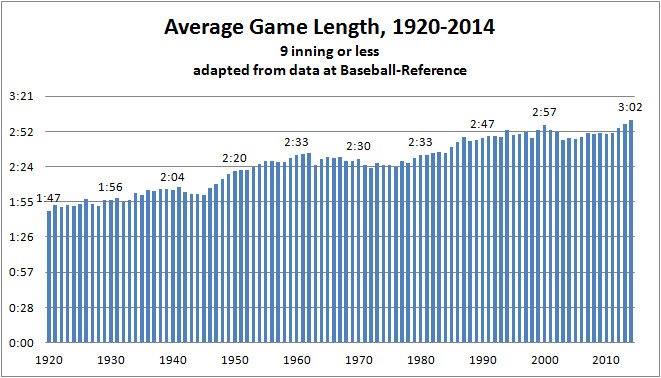
The speed of play in baseball is a frequent topic of discussion. Over the years, there have been attempts to make the game move quicker, by cutting down on the extra things that make it slow. When there is a faster game, the average time per inning may be lower. The general rule in baseball is the faster the pace, the faster the inning. This is why some people are working on getting the game to be played with a faster pace, so that fans can watch it at a quicker rate.
Special Cases and Extra Innings
While most of the time innings follow a simple pattern, sometimes things change. Baseball has some special cases and rules that can affect how an inning is played, or how many innings are played in the game overall.
When the Home Team Doesn’t Need to Bat
There’s one cool quirk in baseball: if the home team is winning after the visiting team’s turn to bat in the final inning, the home team doesn’t need to bat in the bottom of the inning. This only happens in the last inning of the game. Since the home team is already ahead, there is no need for them to bat. This ends the game immediately and it saves some playing time. This only happens when the home team is already leading.
Extra Innings
Now, if a game is tied after nine innings, the teams play extra innings. They keep going until one team is ahead at the end of an inning. This adds time to the game, and can be pretty exciting. Extra innings change the way you look at the game. Now, every half inning can be the last one. It is also a test of the team’s endurance, both physically and mentally. These extra periods help to provide a clear winner to the game. The length of the game can vary wildly depending on how many extra innings are played.
Run Rules and Mercy Rules
In some baseball leagues, especially youth or recreational leagues, there are rules that end the game early if one team is ahead by a lot. This is called a run rule or a mercy rule. For instance, if a team is up by 10 runs after the fifth inning, the game may end early. These rules aim to keep games fair and enjoyable, especially for younger players. It also keeps games from running too long when a team is clearly not going to win. These rules can vary from league to league, so it is good to know the rules beforehand.
Keeping Track of Innings
Even though time isn’t the main factor, it’s super important to know which inning the game is currently in. You can tell what inning it is by checking the scoreboard. On a typical baseball scoreboard, they have numbers representing the innings, from the first to the ninth (and beyond if needed for extra innings). These numbers tell you what inning they are in, and if it is the top or bottom of the inning. This information is on the scoreboard for everyone to see.
The Importance of an Inning
Each inning is a brand new chance for teams to change the course of the game. In baseball, the first inning is just as important as the last, because every run matters. This makes every half inning matter. Every at bat, and every pitch adds up to the story of the game. Understanding that baseball has innings instead of time limits is what makes the game special and unique. It adds unpredictability and strategy to every single game of baseball.
Hopefully, you now have a great idea about the details of how innings work, and why they can be so unpredictable. The amount of time that an inning takes can change based on how the game is going. There are many factors that can effect how long an inning will take. Remember, baseball innings are all about getting three outs, and that simple rule makes every game different and exciting. It’s the story of outs, hits, and runs that makes each inning unique. This gives the game it’s unique flavor.
The length of a baseball game inning isn’t dictated by a clock, but by the events on the field. From the number of hits to pitching changes, many factors can make an inning fly by or drag on. Understanding the nuances of innings, how they work and the factors that affect them, enhances the appreciation of every baseball game.
How Baseball Innings Work
Final Thoughts
A standard baseball game includes nine innings. Each team bats until they make three outs within each of those innings. Therefore, a complete game features each team batting nine times.
How long is a baseball game innings? It isn’t set time, rather each half inning ends once three outs occur. While the number of innings is fixed, the game length varies based on pitching, batting, and defensive plays. The nine innings format provides the structure for the contest.

