
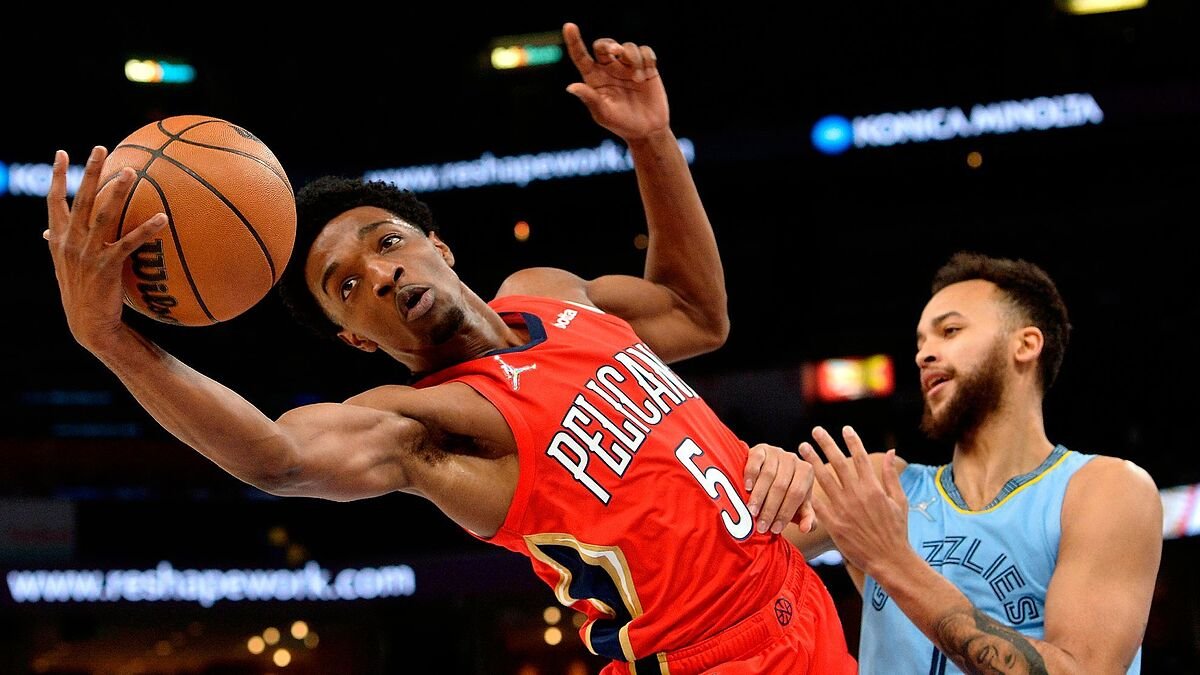
A standard basketball game is 48 minutes long, divided into four 12-minute quarters.
Ever wondered how long is a basket ball game? It’s a common question for new fans and those curious about the sport. Understanding the game’s duration can enhance your viewing experience.
Basketball games use a specific structure with timed periods. These periods break down the 48 minutes in a way that includes breaks. This setup keeps the game exciting and dynamic, making each moment count.

How Long is a Basketball Game?
So, you’re curious about how long a basketball game actually lasts? That’s a great question! It’s not as simple as saying “it’s always exactly X minutes.” There are different levels of play, and each has its own rules about game length. Let’s jump right in and explore all the different factors that affect how long a basketball game will take. We’ll cover everything from the professional level to kids’ leagues, so you know what to expect when you watch or play.
The Standard Game Clock: Understanding the Basics
At its core, a basketball game is divided into periods, each with a set amount of playing time. These periods aren’t all the same length, which makes it a little more complex. Let’s break down the clock for different levels of basketball.
Professional Basketball: The NBA
When you watch the best of the best in the National Basketball Association (NBA), you’ll notice they have a specific format. An NBA game is 48 minutes long. But it’s not just a straight 48 minutes. It’s actually divided into four quarters, each lasting 12 minutes.
Here’s a little breakdown:
- Total Playing Time: 48 minutes
- Number of Quarters: 4
- Length of Each Quarter: 12 minutes
It’s important to note that these are “game clock” minutes. The actual time it takes to play a game can stretch to about 2 hours or more. This happens because the clock stops a lot!
Why Does the Clock Stop So Much in the NBA?
The clock stops for many reasons, which add to the overall time of the game. Here are some examples:
- Timeouts: Each team gets a certain number of timeouts to strategize and rest.
- Fouls: When players commit fouls, the clock stops while the referees handle the situation and free throws are taken.
- Out-of-Bounds: If the ball goes out of bounds, play stops while possession is sorted out.
- Injuries: If a player gets hurt, the game clock stops while they get attention.
- End of Quarters: When one quarter ends, the clock stops for a short break before the next one starts.
All these pauses can add a lot of time to the total game duration.
College Basketball: NCAA
College basketball, played under the rules of the National Collegiate Athletic Association (NCAA), has a slightly different structure. Instead of quarters, they use halves. This means the game is divided into two longer periods of play.
Here’s how the time breaks down:
- Total Playing Time: 40 minutes
- Number of Halves: 2
- Length of Each Half: 20 minutes
While the total playing time is less than the NBA, the same idea of stoppages applies. Timeouts, fouls, and other pauses will cause the actual game time to run longer. So, you can expect a college game to also be much longer than the 40 minutes of game clock time.
Halftime: A Longer Break
Another difference in college ball compared to the NBA is the halftime break. In the NCAA, this is a longer break, typically around 15 to 20 minutes. It gives the teams a real chance to regroup and fans a little extra time to visit the concession stands.
High School Basketball: Shorter Quarters
High school basketball games are often shorter than both the professional and college levels, making it a good option if you want to enjoy a fast-paced game. High School games use quarters, like the NBA, but the time on the clock is shorter.
Typically, a high school basketball game follows this pattern:
- Total Playing Time: 32 minutes
- Number of Quarters: 4
- Length of Each Quarter: 8 minutes
Even with these shorter quarters, the actual game time can still stretch to a little over an hour once you include all the timeouts and breaks. It’s a great way to see exciting basketball without committing too much of your day.
Youth Basketball: Even More Flexibility
When we look at youth basketball, the game clock tends to become even more flexible, depending on age and specific league rules. Leagues often have their own variations to encourage development over the length of play.
Typical Youth Basketball Game Durations
Generally, here’s what you can expect to see in youth leagues:
- Ages 7-9: Four quarters of 6 minutes each (24 minutes of playing time)
- Ages 10-12: Four quarters of 7 minutes each (28 minutes of playing time)
- Ages 13-14: Four quarters of 8 minutes each (32 minutes of playing time)
These are just typical guidelines. It’s always a good idea to check with the local league or coaches for the specific time regulations for that level.
Why Are Youth Games Shorter?
Youth games are shorter for several reasons:
- Attention Spans: Younger players have shorter attention spans, so shorter games help them stay focused.
- Physical Endurance: Young players often don’t have the stamina for long games, so shorter periods are better for their physical well-being.
- Learning Opportunities: Shorter periods allow for frequent coaching breaks, giving kids more learning moments.
The focus is often on development and fun, rather than the competitive pressure of more advanced levels.
Other Factors Affecting Game Length
Beyond the set times of play, some other things can change how long a basketball game actually takes.
Overtime
What happens when a game ends with both teams having the same score? This is where overtime comes in. Overtime is an extra period of play to determine the winner. Here’s how overtime works at each level:
- NBA: Overtime periods are 5 minutes long. There are potentially multiple overtimes if the score is still tied after one.
- NCAA: Overtime periods are also 5 minutes long. They continue until a winner is decided.
- High School: Typically, an overtime period is 3-4 minutes in length depending on the state and rule. Like other levels, multiple overtimes are possible.
- Youth: Overtime is usually 2-3 minutes depending on the league. The specific length is always defined in the league’s rulebook.
Overtime is an exciting part of the game and can dramatically increase how much time it takes for the match to end. You might start expecting a relatively short game, and then end up watching a nail-biting, double-overtime thriller!
Timeouts and Breaks
Timeouts and quarter breaks, as we discussed earlier, can add a lot to the total time of a game. They are an essential part of the game because they allow for coaching and allow players to rest.
Timeouts: Strategic Pauses
Timeouts are not just for rest; coaches use them to change strategies and talk to their players.
Here is how timeouts usually work:
- Number of Timeouts: Teams get a specific number of timeouts per game, which varies at different levels.
- Length of Timeouts: Timeouts usually last around 60 to 90 seconds.
- Adding to Game Time: All those short breaks, added together, can make the game last longer than you might expect.
Breaks Between Quarters/Halves
Breaks at the end of quarters or halves are also important to the total game time. They offer time for the players to recover and adjust the game strategy.
- Short Breaks: The short breaks between the first, second, and third quarters are generally a couple of minutes.
- Longer Halftime Break: As mentioned earlier, the halftime break (especially in college basketball) can be significantly longer.
The Pace of the Game
The pace of a basketball game itself can play a big role in its overall duration. A game with lots of fast breaks, scoring, and constant action tends to have more stops and starts. On the other hand, a slower, more methodical game with a lot of strategy and fewer scoring attempts can move the clock along more consistently. Every game is different. The unique flow of each game has its own way of extending or compacting its duration.
Average Game Length: A Quick Summary
While we’ve covered many different scenarios, let’s put together a table with some typical lengths for each level.
| Level | Game Clock Time | Typical Total Time |
|---|---|---|
| NBA | 48 minutes | 2 – 2.5+ hours |
| NCAA | 40 minutes | 2 – 2.5 hours |
| High School | 32 minutes | 1.25-1.75 hours |
| Youth (Varies) | 24-32 minutes | 1-1.5 hours |
Keep in mind that this is just an estimate! These times can vary based on all the factors we’ve talked about. But it’s a good starting point to understand how long you might be watching basketball.
Ultimately, how long a basketball game lasts depends on a variety of elements – the level of play, game stoppages, overtime periods, and the overall tempo of the game. While the game clock has specific time allotments, the reality is that the clock pauses and resumes often, which ends up lengthening the overall duration of the experience.
Now you should have a much better idea about how long a basketball game is. Whether you’re watching an NBA playoff game, a college matchup, or a local youth game, knowing what to expect when it comes to time is helpful. It’s always good to keep in mind, that a basketball game is more than just the game clock, it’s an experience filled with exciting moments, and they can sometimes take a little bit longer to play out!
The Basic Rules of Basketball | Basketball
Final Thoughts
A basketball game’s duration varies. The standard NBA game clock runs for 48 minutes, divided into four 12-minute quarters. However, college games use 40 minutes, with two 20-minute halves.
High school and other leagues often have different timings, which can affect game length. These times do not include stoppages for timeouts and fouls. How long is a basketball game, actually? The time on the clock may only give part of the answer.
In conclusion, the actual game time extends well beyond the on-court clock, including breaks and stoppages. These variations can make calculating exactly how long is a basketball game a bit complex.

