
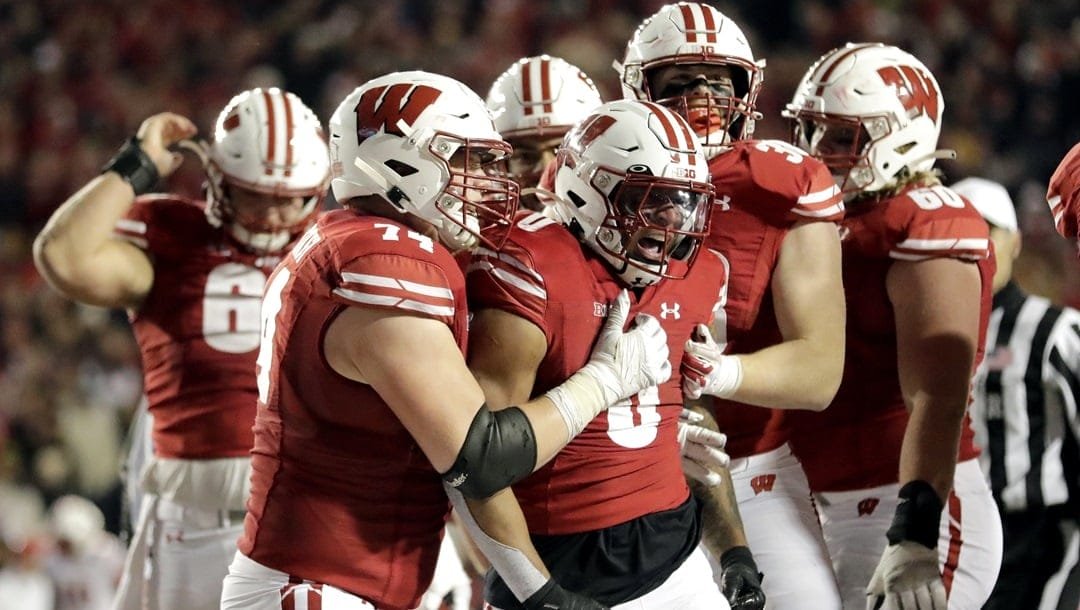
A college football game typically lasts around three to three and a half hours.
Ever wondered how long is a college football game? The game clock, with its start and stops, can sometimes feel like it’s both flying and standing still. This is because of the many breaks in the action.
It isn’t just the 60 minutes of game time that contribute to the total length. Timeouts, halftime, and reviews all add to the duration. So, plan accordingly when you settle in to watch a match.

How Long is a College Football Game?
So, you’re ready to watch some college football! Maybe it’s your first time, or maybe you’re a seasoned fan. Either way, one of the first questions many people have is, “How long is a college football game?” It’s a good question because it can affect your plans for the day. Unlike a movie with a set runtime, a football game can feel a bit more flexible. Let’s dive into all the details and explore what makes up the total time of a game, from the clock itself to the breaks in play.
The Basics: Four Quarters of Action
At the heart of every college football game are four quarters. Each quarter is 15 minutes long. This is the actual time that the clock is running while the players are actively engaged in plays. So, if you were to just add those times up, you might think a game is only 60 minutes long. However, that’s not the whole story!
The Game Clock vs. Real Time
It’s important to understand that the game clock does not run continuously for those 15 minutes. There are many things that stop the clock during the game, adding to the total time a game takes. Think of the clock as having a few different settings – it goes, it stops, it goes again. These pauses are a big reason why a college football game often takes more than three hours to complete.
- Play Clock: The play clock is the 40-second timer between plays, where the players get ready. This helps prevent the game from dragging on too long and keeps the pace moving.
- Game Clock: This is the main clock you see on the scoreboard showing how much time is left in the quarter. It does not continuously run for the full 15 minutes.
What Stops the Clock?
Okay, so we know the clock stops, but what makes it stop? Here are the major reasons:
Incomplete Passes
If a quarterback throws a pass, and the receiver doesn’t catch the ball, it is considered an incomplete pass, and the clock stops. The clock will not restart until the next play begins.
Out-of-Bounds Plays
If a player with the ball goes out of the field, the clock will stop and not start again until the beginning of the next play.
Penalties
When a team commits a penalty, the play is stopped and the clock also stops. Time might also be added to the game if a penalty occurs in the final moments of the game.
Change of Possession
The clock stops when there is a change in which team has the ball. This often happens after a score or turnover.
Timeouts
Each team gets a certain number of timeouts that they can use to stop the clock. This can be very useful at the end of the game when a team is trying to score.
Injuries
If a player gets injured and needs medical help, the clock stops. This allows the medical staff to attend to the player and is very important for player safety.
Scoring Plays
Every time a team scores, whether a touchdown, a field goal or extra point, the clock stops to allow the team to celebrate, set up for the kick off, or start the next play. The clock will start again during the kickoff.
Halftime: The Big Break
Right in the middle of the game, after the second quarter, is halftime. Halftime is a longer break, lasting about 20 minutes. This time is for the teams to rest, make adjustments and prepare for the second half of the game. It also gives fans a chance to grab food, stretch and use the restrooms. Halftime often includes special activities such as performances from the school bands or cheerleaders.
The Cumulative Effect of Clock Stoppages
Each of these clock stoppages add up to the total length of a game. While the active playing time is 60 minutes, the total time is usually much more. It is the consistent stopping of the clock that makes college football games longer than most might expect. This also makes each game unique. If there are a lot of incomplete passes, penalties or injuries, the game will likely be longer.
Average Game Time
So, what’s the average time of a college football game? It is common for a game to last between three and a half and four hours. Some games might go faster, while others might go longer, but this range is a good guideline. When you are planning your day around a game, assume it will last for close to four hours.
Here’s an estimated breakdown:
- Playing Time: 60 minutes
- Halftime: 20 minutes
- Clock Stoppages & Other Breaks: 90 – 150 minutes
- Total Game Time: Around 3.5 to 4 hours
Factors That Can Make a Game Longer
Besides the regular clock stoppages, some other factors can add time to a game. Let’s explore some of them.
Close Games and Nail-Biting Finishes
Games that are very close and go down to the wire often end up being longer. There are more timeouts and stoppages in the final few minutes. Teams often strategically stop the clock to manage time and score, so if the ending is close you can expect a longer game.
Overtime
In college football, if the score is tied at the end of the four quarters, the game goes into overtime. Overtime periods continue until a winner is determined. This obviously adds a considerable amount of time to the game.
Replay Reviews
College football has replay reviews to help the referees make the correct calls. When a play is under review, the game stops while they look at the video footage. Although necessary to make sure the game is fair, replays can extend the game time by few minutes.
Television Commercials
College football games are often broadcasted on television. Commercial breaks are added during the breaks in the game and this also adds to the total length. Because television networks make money from advertising during the games, there are a lot of commercial breaks to fill the time, extending the length of the game significantly.
Weather Delays
Severe weather, like thunderstorms, can cause delays and make games longer. Safety is the most important thing, so officials will pause the game until the weather improves, This might involve staying put for few minutes or hours. Sometimes games might also be postponed to a different date.
Planning Your Day Around the Game
Now that you know how long a college football game can take, you can plan your day better. If you are going to the stadium to watch the game live, make sure to arrive early. That allows you time for tailgating, finding your seat, and settling before kick off. Also, if you are having a party to watch the game, plan accordingly, so that you have enough time for everything.
Things to Keep in Mind
- Arrive Early: If going to the stadium, arrive with time to spare.
- Bring Supplies: Bring snacks, water, sunscreen, and anything else you might need.
- Plan Transportation: Consider travel time to and from the stadium.
- Be Flexible: Remember that games can run longer than expected, so be ready to adjust your schedule if needed.
Why the Variable Game Length?
The length of a college football game is not exact. There are many stoppages that are unpredictable. Some games flow smoothly with very few interruptions while others are filled with many penalties and stoppages. This makes each game unique and exciting. This variability in game length is just part of the college football experience.
Understanding the Flow
The flow of a football game can be impacted by many things that can make the game longer or shorter. A game with many scores, penalties, or incomplete passes will probably take more time. However, a game with a lot of running plays and fewer stoppages could be faster than normal. Understanding these different possibilities will help you have a good idea of the time it might take and prepare accordingly.
A Part of the Tradition
The length of a college football game is just part of the tradition. The stops and starts, the excitement of close finishes, and the shared experience of watching with friends and family makes it what it is. It’s not just about the time on the clock; it’s about the whole experience of college football.
The length of a college football game is not a fixed number. It’s a combination of playing time, breaks, and many factors that cause the clock to stop. While the action on the field is 60 minutes, the actual time spent watching is often three and a half to four hours long. This can fluctuate based on the specific game and events that occur. Knowing how this time breaks down can help you plan your day better and make the most of your football experience. So, grab your snacks, settle in, and enjoy the game!
College Football Playoff Semifinal PREVIEWS: Notre Dame vs Penn State, Ohio State vs Texas
Final Thoughts
A typical college football game lasts about three hours. This includes four 15-minute quarters, with a halftime break. There are also time-outs and stoppages that add to the overall length.
These factors make it difficult to pinpoint the exact duration. Games can sometimes run longer due to reviews or overtimes. Therefore, how long is a college football game is variable, but plan for around three hours.

