
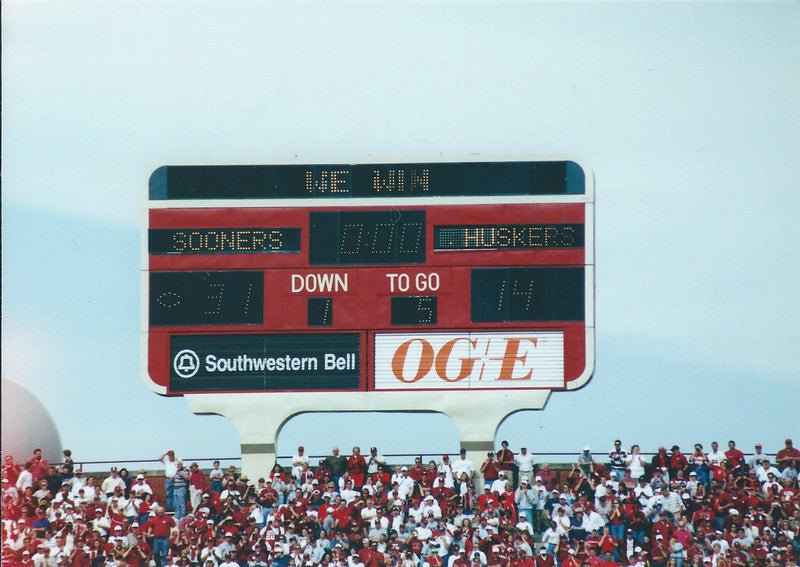
Each quarter in a high school football game is 12 minutes long.
Ever wondered about the pace of the game, specifically how long is a high school football game quarter? These intense matches are divided into four sections of play. Each of these plays has its own defined duration.
Understanding the timing is key to following the ebb and flow of the game. This helps you appreciate the strategic plays made by each team within the limited timeframe. So, now you know the answer.

How Long Is a High School Football Game Quarter?
Let’s dive deep into the exciting world of high school football and explore one of its most fundamental aspects: the length of a quarter. Understanding how long each quarter is can significantly enhance your enjoyment of the game. So, you’re curious about how long each thrilling period of action lasts in a high school football game? You’ve come to the right place! It’s not always the same as professional games, and there are some interesting details to consider. We’ll go over everything so you’re completely in the know.
The Standard Length: 12 Minutes
The most common answer to the question, “how long is a high school football game quarter?” is that each quarter lasts for 12 minutes. This is the standard time set by the National Federation of State High School Associations (NFHS), which governs most high school sports across the United States. This 12-minute standard means a full high school football game, excluding halftime and timeouts, lasts 48 minutes of play.
Why 12 Minutes?
You might wonder why high school quarters are set at 12 minutes. There are several key reasons for this:
- Player Safety: Twelve-minute quarters strike a balance between the intensity of the game and the physical well-being of the young athletes. It allows players to exert effort during intense play and have time to recover between quarters and at halftime. Extended periods of play can increase the risk of injury, so managing game length becomes crucial for player welfare.
- Time Management: The 12-minute mark helps ensure that games can be completed within a reasonable timeframe, accommodating school schedules, travel, and other events that might take place around game days.
- Pace of Play: The 12-minute quarters provides a good pace, not too fast nor too slow, and a comfortable speed to the football games allowing the game to be both exciting and engaging for fans and the players.
- Fairness: The standardized 12-minute rule across most high schools establishes a consistent playing field, providing fair time allocation for each team and each athlete. This common rule ensures similar game time for various teams.
Beyond the 12 Minutes: What Impacts Game Time?
While the actual playing time of a high school football quarter is 12 minutes, there’s much more to the overall game time than just the quarters themselves. Numerous factors contribute to the game’s total length, often stretching it beyond the expected 48 minutes. It is important to understand these factors to manage your time if you are watching live games.
Game Clock Stoppages
The game clock doesn’t always run continuously. There are many instances when the clock stops, extending the length of a quarter and the entire game. These stoppages can add significant time to the game and are an important factor when trying to understand how long it takes to watch a high school football game.
Common Reasons for Clock Stoppages
- Incomplete Passes: When a pass is not caught, the clock stops. This ensures that teams have ample opportunity to set up their next play.
- Out-of-Bounds Plays: If the ball goes out of bounds, the game clock stops until the ball is back in play.
- Penalties: A foul results in the stoppage of the clock. This gives the referee time to assess the penalty and for teams to strategize.
- Timeouts: Each team has the option to call timeouts, which stop the clock. These are used to discuss strategies, manage the game clock, or allow a breather.
- Change of Possession: Usually after a change of possession or a touchdown, the clock stops for a while.
- Injuries: If a player is injured, the clock stops to give time for medical staff to treat them.
Halftime Break
Another element that extends the overall game time is halftime. Halftime in high school football games typically lasts for around 15 to 20 minutes, and occasionally even longer for special school events. This intermission allows players to rest and regroup and for teams to plan their strategies for the second half of the game.
Overtime
Sometimes games end in a tie. What happens then? When the score is tied at the end of the fourth quarter, the game goes into overtime. In many high school leagues, the overtime rules follow a modified version of the NCAA’s overtime structure. This adds extra time to the game, but rules vary a little between states.
How High School Football Overtime Works
Here’s how it generally works in many states:
- Coin Toss: A coin toss determines which team gets the ball first.
- Possession: Each team gets a chance to possess the ball on the other team’s 20 or 25 yard line.
- Scoring: Teams will have a chance to score a touchdown or a field goal.
- Equal Opportunities: Teams will get equal chances to score, and the winner is usually the first to outscore the other by any amount.
- Multiple Overtime Periods: If the score is still tied after the first overtime, additional overtime periods are usually played until a winner is determined.
Overtime adds a dynamic element to the game and can prolong the total time significantly, depending on the number of overtime periods required to determine a winner. It can turn a regular game into an edge of the seat nail-biting thriller.
Variations in Game Length
Although the 12-minute quarter is standard in most high school football games in the USA, there can be slight variations depending on different circumstances, league rules, and the age of the players.
Age-Based Differences
For younger age groups, the length of quarters can be shortened to accommodate the limited physical capacity of the players. For instance, middle school or junior high football might have quarters lasting only 8 or 10 minutes. This adjusts game length to fit the developmental needs of the younger players.
State or League Variations
While the NFHS sets a national standard, individual state associations or leagues may have slight adjustments or nuances that impact the total game length. These variations can include changes in the length of the halftime break or slight differences in how certain clock stoppages are handled. Checking the specific rules of a given game’s state or league beforehand will be helpful if any confusion arises.
Special Circumstances
In some situations, the game clock can be handled differently because of special circumstances. For example, in very lopsided games, the clock can be put into “running clock” to shorten the length of the game, ensuring the players do not suffer fatigue unnecessarily. This speeds up the game to protect both teams.
What It Means for Spectators and Players
For spectators, knowing that each quarter is 12 minutes will help you understand the pacing of the game and how long you might be at the stadium. If you’re playing, 12 minutes is the base you build on, but all the above mentioned factors will help you estimate the entire game time, and when you should start strategizing a play or conserve your energy for future games.
For Spectators
- Planning Your Day: Knowing game length, including the potential for overtime and halftime, will help when planning.
- Understanding Game Flow: It will help you to appreciate the strategic use of timeouts and clock management that teams use.
- Enjoying the Experience: When you know the general length of the game, you will be more relaxed and enjoy the game in a more casual setting.
For Players
- Pacing Yourself: Knowing game length will help manage your physical exertion and pace your efforts properly over a game.
- Strategic Awareness: Players can use clock management to their advantage, especially towards the end of the game.
- Recovery Time: Understanding when the breaks come will help players make the most of their timeouts and halftime.
A Quick Summary: How Long Is a High School Football Quarter?
To sum it up, the standard high school football quarter is 12 minutes long. However, the total game time can be much longer when you take into account clock stoppages, halftime, and potential overtime. Understanding all of these elements can help you better understand the structure and pace of a high school football game.
So, next time you’re watching or playing a high school football game, remember the 12-minute clock, but also the many other factors that influence the overall game time. That will help to make your viewing experience richer and more involved.
They Put Up Video Game Numbers in the First Quarter!
Final Thoughts
A standard high school football game quarter lasts 12 minutes. This clock time runs during active plays and stops for various reasons such as incomplete passes, out-of-bounds plays, and penalties. The time management aspect significantly influences game strategy.
The answer to ‘how long is a high school football game quarter’ is crucial for understanding the flow of the game. Actual game duration extends far beyond the 48 minutes of play, given breaks and stoppages. This knowledge allows for better engagement.

