
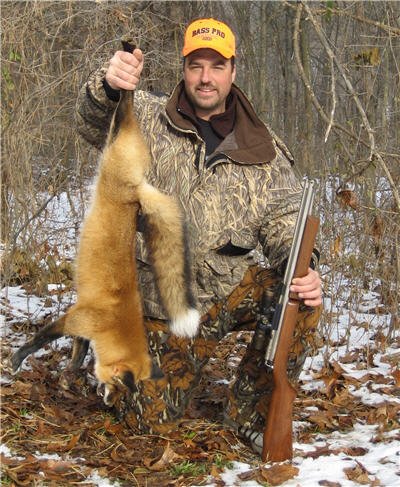
Yes, you can hunt small game with a pellet gun, provided it meets legal requirements and you use appropriate ammunition and techniques.
Thinking about venturing into the woods with a different kind of rifle? Many ponder: can you hunt small game with a pellet gun? It’s a valid question, given the varied landscape of hunting regulations and equipment.
Pellet guns offer a quieter and often more accessible way to pursue small game. However, understanding the nuances of legal restrictions and ethical hunting practices is essential before heading out.

Can You Hunt Small Game with a Pellet Gun?
The question of using a pellet gun for hunting small game is a popular one, and the answer is yes, absolutely! But it’s not as simple as grabbing any pellet gun and heading into the woods. There’s a lot to learn to do it safely, ethically, and legally. It involves selecting the right type of gun, understanding local hunting laws, and knowing the effective range of your equipment. Let’s dive into the details, exploring what you need to know to become a successful and responsible small game hunter with a pellet gun. We’ll cover everything from the types of pellet guns to legal considerations and ethical practices, ensuring you’re well-equipped with all the knowledge needed to embark on this exciting outdoor activity.
Understanding Pellet Guns for Hunting
Pellet guns, also known as air rifles, aren’t just toys. They are capable of generating enough power to humanely harvest small game, provided they are the right kind and used properly. Before you even think about hunting, it’s crucial to understand the different types of pellet guns and how they work.
Types of Pellet Guns
Pellet guns come in various designs, each with different power levels and mechanisms. Here are some common types:
- Break Barrel: This is a very common type where you bend the barrel to compress a spring that shoots the pellet. They are simple, reliable, and often very affordable.
- Gas Piston: Similar to break barrel, but uses a gas piston instead of a spring for power. These tend to have less recoil and can be more consistent in their power.
- Pneumatic: Pneumatic guns use compressed air that you pump into the gun, using a hand pump or an electric compressor. They can deliver high power, are typically quieter than spring powered guns and many models will allow for multiple shots before reloading with air
- CO2: These guns use carbon dioxide cartridges to propel the pellets. They offer a good balance of power and can be semi-automatic in some instances making quick follow up shots possible. The downside is cold temperatures can affect their performance.
Power and Caliber
The power of a pellet gun is measured in feet per second (FPS) or foot-pounds of energy (FPE). When hunting, power is important to ensure you have the right amount of energy to take game humanely. The caliber (the size of the pellet) also matters. Common calibers include:
- .177 Caliber (4.5mm): These are very popular for target practice because of their flat shooting trajectories and their lower cost. But they often lack the power needed for hunting most small game, so they are better used for pest control.
- .22 Caliber (5.5mm): These are a very good choice for hunting small game because of their higher energy and stopping power than .177. They hit with more force and are therefore more suitable for hunting.
- .25 Caliber (6.35mm): This larger caliber packs even more punch and is excellent for larger small game. You can think of this as comparable to a .22LR in terms of hunting, it’s a fantastic caliber to consider.
Selecting the right caliber is directly related to the game you’re pursuing, the larger the game, the bigger the pellet. You must consider both the caliber and the power. Some states may have regulations regarding the minimum caliber or power levels needed for hunting certain species so make sure you familiarize yourself with all relevant regulations prior to engaging in any hunting activity.
What Small Game Can You Hunt with a Pellet Gun?
Not all small game is suitable for hunting with a pellet gun. You need to choose your targets carefully. Here’s a look at some common options:
- Squirrels: They are a popular target for pellet gun hunters, they provide excellent target practice and are an extremely plentiful species in many regions making them a very viable and ethically acceptable game animal.
- Rabbits: Rabbits can be successfully hunted with a .22 or .25 caliber air rifle, especially when using hunting specific pellets and proper shot placement.
- Birds: Certain birds such as Pigeons and starlings can be a target for airgun hunting. But always be certain that the birds you are targeting are legal to take with an air rifle and that it’s allowed by your local laws. Never shoot protected birds.
- Other Small Game: Depending on local laws, other small animals like chipmunks, rats, mice, and groundhogs may be fair game. Again, double check local laws!
It’s also critical to understand the effective range of your air gun. Most pellet guns used for small game hunting are effective up to about 40-50 yards, for most small game species, but you should be practicing at those ranges to understand your own personal limits and the limitations of your air rifle. Beyond that, the pellet loses too much power and accuracy to make humane shots. The effective range can vary drastically based on the airgun, the pellet type and the conditions in the environment that you are hunting in. When hunting, ethical shot placement and distance are the most critical factors in ensuring that your harvest is quick and humane. Always make sure that you’re within your own personal and the rifles effective range.
Ethical Hunting Practices
Hunting, whether with a traditional firearm or a pellet gun, should always be done ethically. This means respecting the animal, ensuring a quick and humane harvest, and following all laws. Here are some key ethical considerations:
Shot Placement
This is perhaps the most important factor in ethical hunting. A shot to the head or chest (vital areas) is crucial for a quick, humane kill. Avoid body shots, as they can lead to the animal suffering.
- Headshots: A well placed headshot is the most ethical method of dispatch for all small game. Headshots cause immediate and irreversible damage, minimizing the chance of pain or suffering.
- Chest Shots: While chest shots can be effective, you must target the vital areas to avoid prolonged suffering. You should aim for the area where the heart and lungs are located.
Practice on paper targets at varying distances, learn your hold overs or under, understand the limitations of your rifle and your own personal limitations and most importantly practice shot placement before you ever hunt to ensure your shot placement is the very best it can be.
Effective Range
As discussed previously, knowing your effective range is critical. Don’t take shots beyond that point, even if the animal is in range. Pellet guns have a limited range and can easily wound animals that are outside of the effective range and with the reduced impact, animals may suffer for a prolonged period of time, or may simply run off and die out of sight.
Respect for Wildlife
Always treat the animals with respect. Appreciate the natural world and your role in the ecosystem. Do not engage in any form of unethical or un sportsmanlike behavior such as wasting the meat, shooting at animals you have no intention of taking, or other behaviors that disrespect wildlife.
Responsible Hunting
Always ensure to follow all hunting laws and regulations, obtain the required licenses, and do your very best to leave the area exactly as you found it or better. This means disposing of any trash appropriately and being a steward for the environment.
Legal Considerations
Hunting laws and regulations vary greatly from place to place. What’s legal in one state or county might be completely illegal in another. It’s the hunter’s responsibility to understand and follow all rules.
Hunting Licenses
In most cases, you will need a valid hunting license to hunt small game with a pellet gun. Check with your local wildlife agency or conservation department to see what the regulations are for your area. The age requirements for hunting licenses will also vary.
Permitted Game
Each state will typically list specific animals that can be hunted with pellet guns or air rifles. In some areas only specific air rifles calibers may be used for hunting, you must find out if your rifle and caliber are permitted prior to hunting.
Hunting Seasons
Hunting seasons are set to protect wildlife and manage populations. It is your responsibility to hunt within the legal seasons. Hunting outside of the season may result in fines and other penalties, including the loss of your hunting license.
Discharge Regulations
There are a number of regulations surrounding discharging air rifles, including, but not limited to, where you can hunt, the distance that you must be away from a road or structure and any other location related discharge regulations. In some areas you cannot discharge any rifle, of any caliber, within certain distances of roadways, dwellings and other structures. Always know before you go.
Safety First
Safety should always be your top priority when handling any kind of weapon, including pellet guns. Here are some essential safety tips to follow:
- Treat Every Pellet Gun as Loaded: Never assume a gun is unloaded, always double check it before handling.
- Always Point the Barrel in a Safe Direction: Never point a gun at anything you do not intend to shoot.
- Know Your Target and What Is Beyond It: Be sure there is nothing behind your target that you may accidentally strike should you miss your intended target, this is especially important in residential or populated areas.
- Wear Eye Protection: Even pellet guns can cause eye injuries, eye protection is critical for all shooters.
- Store Your Guns Safely: When you are not using your pellet gun, be sure to store it in a safe, secure location, away from children and others that may not know how to safely handle it.
- Practice Safe Handling Techniques: Practice your safety rules often, and review them with others that you may take to the field.
Choosing the Right Pellet Gun
Selecting the appropriate pellet gun is paramount for a successful and ethical hunt. Here’s a detailed look at factors to consider:
Power
As discussed earlier, the power of your pellet gun should be sufficient for the game you’re hunting. Ensure that the gun delivers enough energy to humanely take the animal. If in doubt, err on the side of a more powerful rifle for a quicker and more ethical harvest. If you have multiple animals in mind, it may be better to start with the largest game you intend to harvest and select the rifle best suited for that quarry. Then, as needed you can adjust your shot placement, or distances to accommodate smaller game.
Accuracy
Accuracy is just as important as power. A more powerful gun that is inaccurate will not be as good as a less powerful gun that you can make consistent shot placements with. Purchase a gun that you can repeatedly hit the kill zones of your quarry with, consistently. This may mean that you need to try multiple rifles before finding the one that fits you best. You can always practice with less powerful guns and then work your way up to more powerful ones once you have developed adequate skills and a good understanding of the principles of shooting.
Pellet Choice
Pellet choice can impact accuracy and power. There are a variety of pellet types, each with different benefits and drawbacks, such as:
- Domed Pellets: These are great for overall accuracy and penetration. They are typically heavier pellets.
- Hollow Point Pellets: Hollow points are designed to expand on impact, delivering more stopping power.
- Pointed Pellets: Pointed pellets are designed for long range shooting, but may not have the same energy on impact as domed pellets.
- Wadcutter Pellets: These are made for paper targets, but not ideal for hunting, as they do not penetrate as well as other pellet designs.
Be sure to purchase several different styles of pellets and test them to see which ones your rifle groups best with, then begin your practices with the pellet your rifle groups the best with. After becoming proficient with the pellet that is most accurate, you can practice with other types of pellets, for situations that may require different penetration or stopping power.
Your Personal Comfort
The gun should be comfortable for you to handle and shoot. If the rifle is too heavy, or is not ergonomically sound for your body and shooting posture, you will be less accurate. Practice makes perfect, but bad equipment can make perfect impossible. Ensure the rifle that you purchase is something you are comfortable carrying, handling and most importantly shooting.
Sighting Systems
Consider the type of sights your pellet gun uses, and if it has the ability to add other sights or optics such as scopes. Open sights, scopes, and red dots can all be used, or a combination of the three. Scopes will help with accuracy but may not be as quick to target as open sights in closer ranges. Red dots are great for faster target acquisition, but won’t give you the precision at distances that scopes will. Choose the sighting system that works best for you and your style of hunting.
Essential Hunting Gear
Beyond your pellet gun, you’ll need other gear to make your hunt successful and safe. Here’s a list of some must-haves:
- Appropriate Clothing: Layered clothing for all weather conditions, along with hunting colors to stay legal and safe.
- Comfortable and Safe Footwear: A good pair of boots is essential for long walks through rough terrain.
- First Aid Kit: Be prepared for minor injuries with a well stocked first aid kit.
- Knife: A sharp knife will come in handy for cleaning game, or performing other tasks while in the field.
- Game Bag or Vest: Something to carry your game in as you hunt.
- Binoculars or Rangefinder: To identify game and estimate the distance, before attempting the shot.
- Hunting License and Identification: Be prepared to present your licenses to a game warden or local law enforcement officer.
- Water and Snacks: Stay hydrated and fueled for your time outdoors, and pack extra in case of emergencies.
- Proper Cleaning Supplies: Be prepared to properly care for your harvested game.
Practicing Your Skills
Before you head out on a hunt, practice with your pellet gun until your confidence is at an extremely high level. Target practice and practicing shooting from different positions is crucial to building your skills. Here are some ideas:
Paper Targets
Set up paper targets at different ranges to practice your accuracy. Start close and gradually increase the distance as you improve. Learn the hold overs that you will need, and the effective range of your rifle.
Shooting Positions
Practice shooting from various positions (standing, kneeling, sitting, prone). You’ll encounter different scenarios in the field, so it’s good to be prepared. Develop different shooting stances to accommodate varying terrain and situations.
Simulated Hunting Scenarios
Set up a variety of scenarios using targets to simulate real-life hunting situations. Practice making quick, accurate shots from different angles. It’s critical to make these practices as realistic as possible.
Dry Firing
Dry firing (firing the gun without a pellet) is a good way to practice your shooting skills and trigger control. However, make sure that dry firing is safe for your specific type of pellet gun, some air rifles can be damaged if dry fired. Refer to your manufacturer recommendations.
The ability to hunt small game with a pellet gun can offer a unique and rewarding experience, provided it’s approached with knowledge, respect, and responsibility. Understanding the different types of pellet guns, knowing the regulations in your area, practicing ethical hunting methods, and developing proper shooting skills are all essential for a successful and humane hunt. Always prioritize safety and adhere to all local laws. By doing so, you can enjoy the sport of small game hunting with a pellet gun while also being a responsible and respectful steward of the outdoors.
Scope Cam Squirrel Hunting with Gamo Air Rifle
Final Thoughts
Yes, you can hunt small game with a pellet gun, provided you adhere to local regulations and ethical practices. Proper shot placement is critical for a humane harvest. The power of your pellet gun must also be sufficient for the game you target.
Always practice beforehand to ensure accuracy and proficiency. ‘Can you hunt small game with a pellet gun’ depends largely on the specific regulations in your area and responsible execution. This method, when done right, offers a quieter and more accessible option for hunting.

