
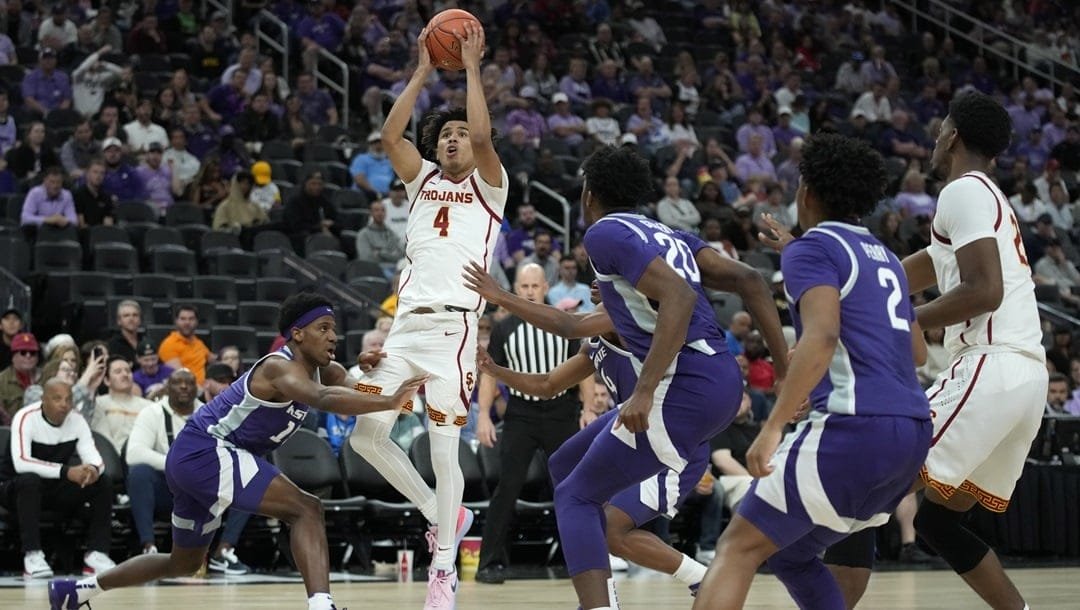
An NCAA men’s basketball game is 40 minutes long, divided into two 20-minute halves.
Ever wondered how long is a NCAA men’s basketball game? It’s a common question for both new fans and seasoned viewers. These exciting matches are structured into two halves, creating anticipation for the full contest.
The game clock plays a crucial role in shaping the strategy. Coaches and players carefully manage each possession within the set time frame. Every second counts!

How Long is a NCAA Men’s Basketball Game?
Okay, let’s dive deep into the world of college hoops and figure out exactly how much time you need to set aside to watch an NCAA men’s basketball game. It might seem simple, but there’s more to it than just the clock on the screen. We’ll break down all the parts, so you’ll know what to expect from tip-off to the final buzzer.
The Basics: Game Length and Quarters
Unlike the NBA, which uses four 12-minute quarters, NCAA men’s basketball games are structured a bit differently. They are divided into two halves, each lasting 20 minutes. This makes for a total of 40 minutes of playing time in a regulation game. It sounds pretty straightforward, right? But, the clock doesn’t run non-stop. There are lots of things that can add extra time to the game, so let’s take a closer look.
Halftime Break
After the first 20-minute half is done, the teams get a break. This is called halftime and it’s a chance for players to rest, coaches to talk strategy, and the fans to visit the concession stands or use the restroom. How long is halftime in an NCAA men’s game? It’s usually 15 minutes long. This break is important for keeping the players fresh for the second half of the game. It’s also a great time for some entertainment, like dance routines or fan competitions.
Timeouts: Pauses During Play
Timeouts are a normal part of basketball. Coaches use them to talk to their players, draw up plays, or to slow down the pace of the game. In a NCAA men’s basketball game, both teams get a specific number of timeouts, and these contribute to the total time the game lasts. Teams have three full timeouts, which are 60 seconds long and they also have two 30 second timeouts. These timeouts add to the total time spent on the game and contribute to the total time a game might last.
Full Timeouts
A full timeout lasts for 60 seconds. It’s a good length of time for a coach to discuss the game plan with their players, make adjustments to defense or offense, or let the players take a breather. It’s also an opportunity to get a strategic edge in the game.
30-Second Timeouts
Shorter than a full timeout, a 30-second timeout still gives the team a chance to communicate but is useful when a team might want to regroup quicker and resume play. These timeouts don’t offer as much time for big adjustments but can still play a key role during crunch time.
When Can a Team Use a Timeout?
Timeouts can be called by either the coach or any player on the court when the ball is out of play or when the team has possession. So if your team has the ball, a player can call for a timeout. Once a timeout is called, the clock stops, and the teams gather at their bench for the huddle. This makes sure they can use their timeouts when they need them, whether to rest, talk strategy, or just slow down the pace of the game.
Fouls and the Clock
Just like other sports, fouls are a part of basketball. When a player commits a foul, the game clock stops. This is particularly common in late-game scenarios. After a foul, depending on the situation, the play may involve a free throw, which also takes a few seconds. This can really add time to the clock. The number of fouls also contributes to team fouls. And, when a team has committed 7 fouls in a half, the opposing team gets to shoot 1 and 1 free throws. On 10 fouls in a half, the opposing team shoots 2 free throws.
Free Throws
Free throws occur when a player is fouled in the act of shooting. These are untimed, but they still add to the game’s total length. Usually, when a player takes a free throw, the clock stops until the ball is in play again. This can slow the game down, especially if there are several free throws taken.
Clock Stoppages
Besides fouls, the game clock also stops for other reasons. When a ball goes out of bounds, the clock stops until the ball is put back into play. Similarly, when there is a jump ball, the clock stops until possession is determined. These are small pauses, but they do accumulate over the course of a game.
Ball Out of Bounds
Whenever the basketball goes out of bounds, the clock stops immediately. This gives the referee and the players time to reset the situation. Once the ball is put back in play, the clock starts again, but this break has contributed to the overall length of the game.
Jump Balls
A jump ball happens when two players from opposing teams have their hands on the ball at the same time. After the jump ball occurs, and the play is set up, the game resumes and the clock starts again. These stoppages, while usually short, do add to the total game time.
Overtime
If the score is tied at the end of the second half, the game goes into overtime. Overtime in NCAA men’s basketball lasts for 5 minutes. If the game is still tied after the first overtime, another overtime period is played and will continue until there is a clear winner. This can significantly extend the overall time of the game.
How Many Overtime Periods Can There Be?
There is no limit to the number of overtime periods in NCAA basketball. The game will continue until there is a winner. In some rare cases, a game could go to two, three, or even four overtime periods. This can make games go on for a long time.
How Long Does A Typical Game Take?
So, putting it all together, a standard NCAA men’s basketball game with no overtime lasts for about two hours to two and a half hours. While the actual playing time is just 40 minutes, the other stoppages mentioned previously, such as timeouts, fouls, free throws, and out-of-bounds plays, all add up. Overtime, should it occur, makes a game take even longer.
Here’s a basic breakdown of what contributes to the overall time of a game:
- Two 20-minute halves: 40 minutes of playing time.
- One 15-minute halftime.
- Timeouts: Up to 5 minutes, but often longer, depending on usage.
- Fouls and Free Throws: Can add a significant amount of time, especially in close games
- Out of Bounds, Jump Balls: These stoppages add several minutes throughout the game
Factors Affecting Game Length
Several factors can impact how long an NCAA men’s basketball game actually lasts. Here are some of the big ones:
Number of Fouls
Games with many fouls often tend to run longer. This is because, each foul stops the clock, and free throws take extra time. A game with frequent fouls can end up taking closer to three hours. When there are many fouls in the late part of the game, it takes even longer, as more clock stoppages are made.
Close Games and End-Game Scenarios
If the score is close near the end of the game, teams will use timeouts strategically, making the game longer. More fouls are likely to be called as teams play more aggressively to get the ball, especially in the last couple minutes of the game. These close end-game scenarios tend to make the games longer. These close games are often exciting, but they do cause the game to run longer than usual.
The Pace of Play
The style of play also affects the length of a game. Teams that play with a slower, more deliberate style tend to have games that take less time than those that play faster, using more fast breaks. Fast-paced games tend to have more fouls and more clock stoppages, leading to a longer overall game time. This is particularly noticeable when the ball is constantly changing hands.
Number of Lead Changes
The number of lead changes in a game can also affect the game’s length. When teams trade leads, this causes more fouls, and more timeouts are often called. When the game is very competitive, this also causes a lot of stoppages, making the game longer overall.
High-Scoring Games
High scoring games generally have more possessions, and more opportunities for fouls, free throws and other time stoppages. Games with more scoring activity tend to have more pauses overall, leading to an increase in the length of the game. This is true even when a team is winning by a large margin because the winning team will still be running their offense.
A Quick Recap
So, how long is a NCAA men’s basketball game? The quick answer is about two to two and a half hours. However, that’s just an estimate. Some games might finish in less than two hours, while others, especially those with overtimes, can take closer to three hours or more. There are many factors that affect how long a game actually lasts. So when you want to catch a game, it is good to expect that it can last for a couple of hours and plan accordingly!
What to Expect When Watching a Game
When settling in to watch a college basketball game, be prepared for more than just the 40 minutes of playing time. You’ll also have to account for all the pauses, breaks, timeouts and other interruptions throughout the game. This means that if you have other plans on game day, be sure to add in the time for the game as well as the time to travel to or from the game. The great thing about the length of a game, is it will always give you something to watch and look forward to!
Explaining NCAA'S March Madness and how teams qualify
Final Thoughts
A regulation NCAA men’s basketball game lasts for forty minutes, split into two twenty-minute halves. Clock stoppages occur for fouls, timeouts, and out-of-bounds plays. Overtime periods, when necessary, add five minutes each.
Knowing how long is a ncaa mens basketball game is crucial. These stoppages make the actual game time fluctuate. Viewers should plan for games to run a bit longer than the stated forty minutes.

