
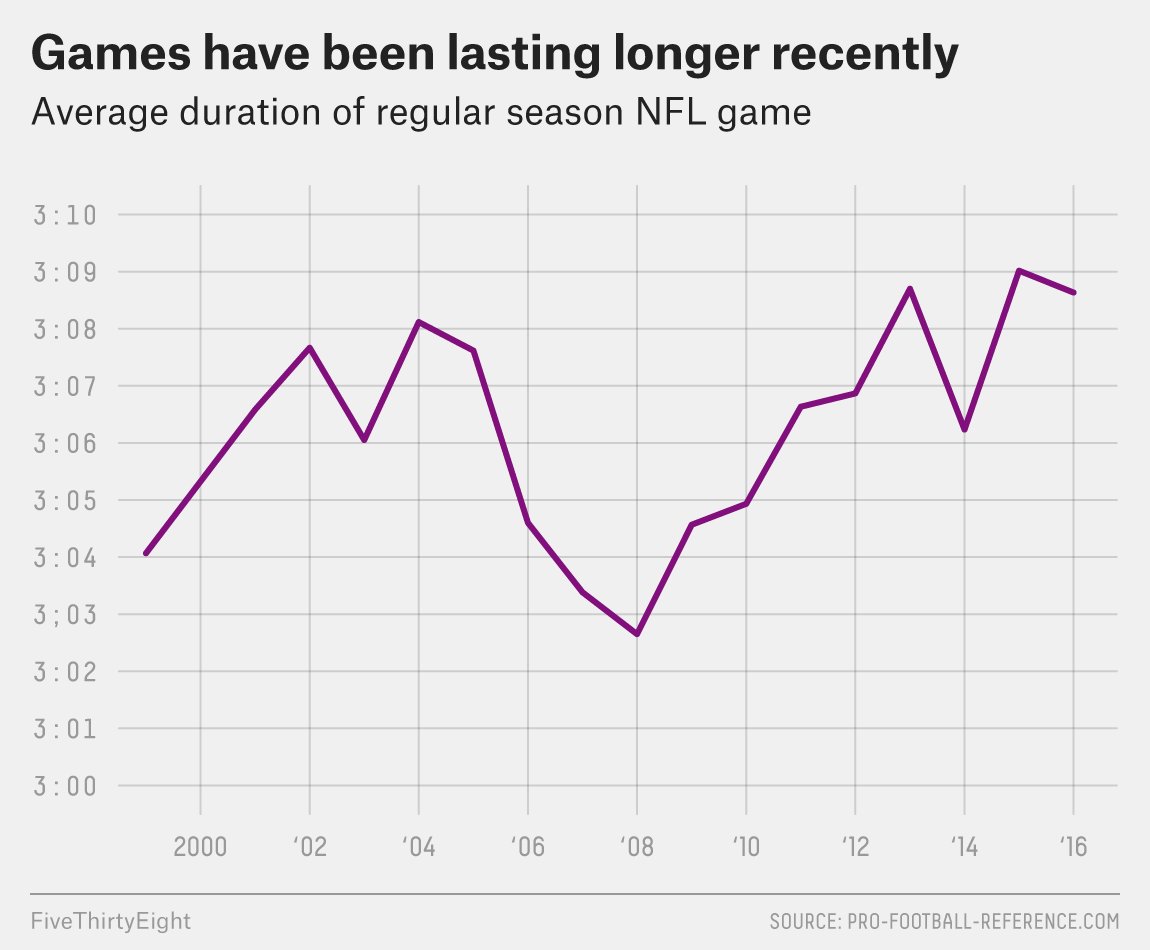
The average duration of an NFL game is approximately 3 hours.
Ever wondered how long is a normal nfl game? It’s a common question for both new and seasoned fans. Games involve a lot more than just 60 minutes of play.
That three hours includes breaks, timeouts, and the famous halftime show. So plan your Sunday afternoons accordingly. It’s a full commitment to enjoy all the gridiron action.

How Long Is a Normal NFL Game?
Ever sat down to watch a thrilling NFL game and wondered just how long you’ll be glued to your screen? You’re not alone! It’s a common question for new fans and even seasoned viewers. While the clock says 60 minutes, the actual time it takes to finish a game can be a bit longer. Let’s dive deep into the details and find out exactly how long an NFL game usually lasts.
The Standard Game Clock: 60 Minutes of Play
At its core, a regular NFL game is scheduled for 60 minutes of playing time. This time is divided into four quarters, each lasting 15 minutes. Sounds simple, right? Not quite. These 15-minute quarters don’t flow continuously, like a basketball game’s clock. There are many stoppages that cause the game’s real duration to extend far beyond that hour.
Understanding the Four Quarters
The four quarters are the foundation of the game. Each quarter allows for two teams to go at it, offensively and defensively, trying to score points. After the first quarter, there’s a short break. Then, there’s a longer break between the second and third quarters, called halftime. And finally, there’s another short break before the fourth quarter.
What Happens During the Quarter Breaks?
During the breaks between quarters, teams regroup, plan strategies, and coaches give their players important instructions. These breaks, along with other stoppages, greatly contribute to a longer game.
The Many Reasons for Game Stoppages
Several things can stop the clock in an NFL game, making that 60 minutes of play extend into what often feels like much longer. These stoppages can be divided into a few categories:
- Incomplete Passes: When a quarterback throws a pass that isn’t caught, the clock stops.
- Out-of-Bounds Plays: If a player carrying the ball runs out of the playing field, the clock stops.
- Penalties: When a player breaks a rule, the clock stops so the referees can sort it out.
- Timeouts: Each team gets a limited number of timeouts per half, which they can use to stop the clock and talk strategy.
- Change of Possession: After a team scores, gets a turnover or goes for a field goal, the clock will sometimes stop.
- Injuries: If a player gets hurt, the clock stops to allow for medical assistance.
- Two-Minute Warning: At the end of each half, when there are two minutes left in the quarter, there is a timeout called by the officials that is used to reset the clock and allow for last-minute plays.
- Commercial Breaks: Television networks show advertisements during various stoppages to add to the excitement.
These stoppages significantly contribute to the overall length of the game.
How Each Type of Stoppage Affects the Game Time
Let’s break down a little further how different situations cause stoppages:
- Incomplete Passes: A common occurrence, each incomplete pass briefly halts the clock until the next play begins. The clock may begin to run again when the next play starts.
- Out of Bounds: Anytime a player runs beyond the lines of the field, the clock stops, adding to the total game time.
- Penalties: Penalties not only halt the game, but they also cause additional play time as the penalized team moves back yards, which often results in another play.
- Timeouts: These strategic breaks, used by teams to strategize, can make the game longer when used at the end of the game.
- Injuries: The clock stops to help an injured player, and the stoppage can be long if the player needs a medical evaluation.
- Commercials: Television breaks add a noticeable amount of time to the game. Networks use these stoppages to show advertisements and commercials, which can increase the total time by a lot.
The Halftime Show: A Significant Break
Halftime in an NFL game is a significant pause, not just for the players to rest, but for a spectacular show of entertainment. The typical halftime break is 12-15 minutes, but if a major event is included like a musical artist, the halftime break can go as long as 30 minutes. The halftime show often features musical performances, and sometimes include other types of entertainment. This break contributes significantly to the total time of the game.
How Does Halftime Affect the Total Game Time?
Halftime is a significant break in the game that extends the total time of game, while it’s not actual play, it is part of the game’s flow. This longer break gives both fans and players time to take a breather, but it also adds to the total amount of time you’ll spend watching the game.
Commercial Breaks: A Television Necessity
Television is a huge part of the NFL experience, and with that comes commercial breaks. These breaks happen between quarters, after scores, during timeouts, and after other stoppages. They add a good amount of extra time to the game’s total length. It’s a necessary part of television broadcasting, but it certainly extends the amount of time you’re spending watching football.
The Impact of Commercials on Game Duration
Commercials have a big impact on the overall duration of an NFL game. They happen frequently and can vary in length. While the game itself lasts 60 minutes of playing time, the inclusion of commercials pushes the total duration to be much longer. You may notice a difference between local games vs prime time games due to differences in amount of commercial time.
How Overtime Affects the Game Length
Sometimes, a game ends in a tie after the four quarters. In that case, the game goes into overtime. Overtime adds extra time on the game clock, because it can go on until a winner is decided. The NFL has changed overtime rules, but most of them lead to a longer game than usual.
Understanding Overtime Rules
The NFL’s current overtime rules give both teams a chance to score. However, if the first team to have possession of the ball in overtime scores a touchdown, they win the game. If the first team only scores a field goal, the other team still gets an opportunity to score. If both teams have equal possessions without a game-winning touchdown, then the next score wins. This format can add a good amount of time to an already long game.
Variations in Game Length
While a normal game averages around three hours, there are a few things that can make a game shorter or longer. If one team completely controls the game from the beginning, there are less time stoppages, and it might finish sooner. On the other hand, a close, hard-fought game with many stoppages, turnovers, and penalties can easily stretch beyond three hours. In a close game, the last two minutes can last longer than the first fifteen minutes of the first quarter!
Factors Influencing Game Length
Here are some reasons why game times can differ:
- Number of Penalties: Many penalties mean more stops and more play time.
- Number of Scores: Touchdowns, extra point attempts, and field goals all cause the clock to stop at some point.
- Close Games vs. Blowouts: Close games tend to take longer due to more competitive play and strategizing. Blowouts tend to move faster with teams more focused on running the clock and running down the game.
- Number of Timeouts: Teams using many timeouts will cause the game to be longer.
- Injuries: Serious injuries can cause longer stoppages of time.
- Weather: Bad weather can cause the game to be slow and could include time stoppages.
- Number of turnovers: Frequent change of possession means more play time and time stoppages.
Is There a Difference Between a Weekday Game and a Weekend Game?
There isn’t a standard difference in length between weekday and weekend games. Weekday games tend to be more prime-time games, meaning that they tend to have more commercial time, so they may feel a bit longer than weekend afternoon games. However, each game varies, so it is best to watch with plenty of time.
Average Time to Watch an NFL Game
Based on all these factors, an average NFL game lasts around 3 hours. While the actual playing time is 60 minutes, the stoppages, commercials, halftime, and sometimes overtime increase the overall time. So, if you’re settling in to watch a game, be prepared to set aside around three hours of your day.
What to Expect
When you tune into an NFL game, plan to commit around three hours of your time. It’s a good idea to have snacks and drinks ready and get comfortable on your couch because you’ll likely be there for a while. The actual play time might seem fast with all the stoppages of time, but in general, it is best to plan for a three hour commitment.
In conclusion, while the official playing time of an NFL game is 60 minutes, the total time you’ll spend watching will typically be closer to three hours, because of breaks between quarters, commercials, halftime, and other stoppages. Understanding the clock, game stoppages, and breaks, you will have a better idea of how much time to set aside to enjoy a full game.
A Beginner's Guide to American Football | NFL UK
Final Thoughts
Therefore, a typical NFL game lasts around three hours. However, factors like injuries, penalties, and overtime can affect game duration. You should anticipate the game could run longer than that.
These stoppages make predicting the precise length difficult. So, when people ask “how long is a normal nfl game,” the best answer remains approximately three hours, but with possible variations. A game can easily last a bit longer, depending upon circumstances.

