
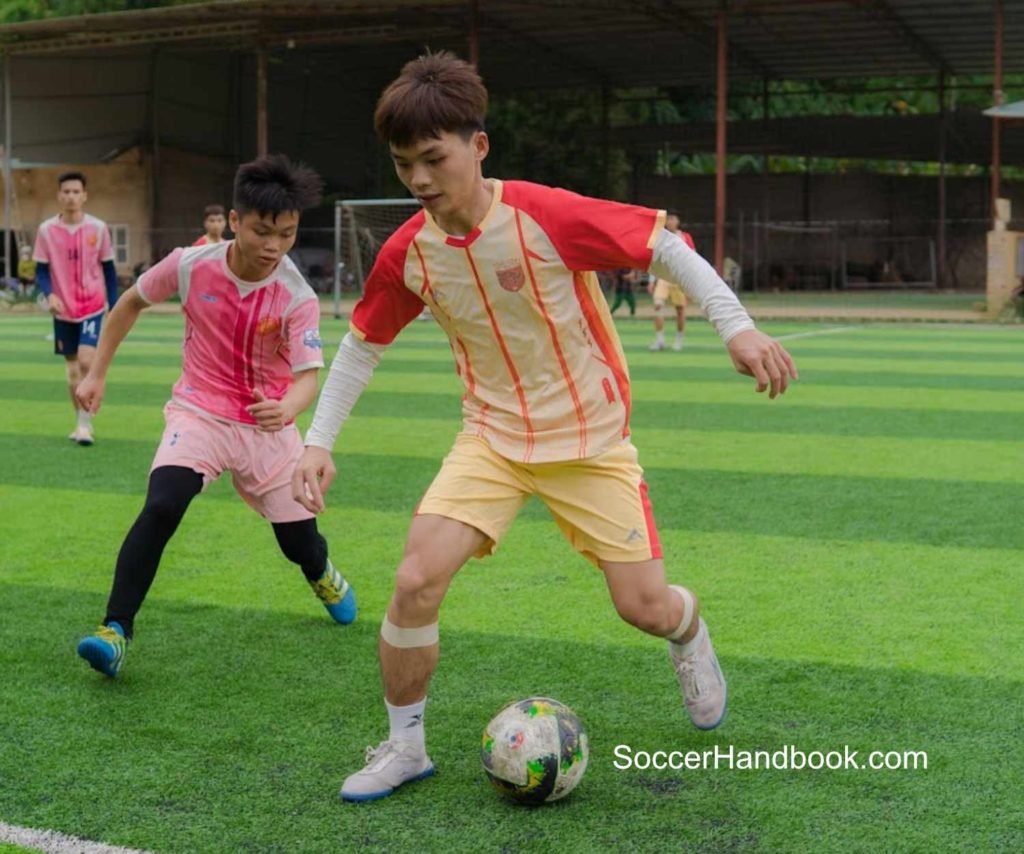
A U14 soccer game typically lasts for 70 minutes, divided into two 35-minute halves.
Figuring out the exact duration of a youth soccer match can sometimes feel tricky, especially when different age groups have varying game lengths. If you’re wondering specifically, how long is a u14 soccer game, the answer is fairly straightforward. Let’s break down the standard time for this age group to ensure you’re prepared for the match duration.
Knowing this specific length will help players, coaches and parents alike to plan accordingly. The game length is a very important aspect of the sport.

How Long is a U14 Soccer Game?
Understanding the duration of a U14 soccer game is super important for players, parents, and coaches. It’s not just about knowing when the game starts and ends; it helps with planning, training, and even snack schedules! So, let’s dive deep into the specifics of game length for this age group. We will explore everything from the standard playing time to added time and even look at how these times may change.
Standard Game Length for U14 Soccer
The most basic answer to “how long is a U14 soccer game?” is that it typically lasts for 70 minutes. This is the usual playing time, but it’s broken into two halves, just like in professional soccer. Each half is typically 35 minutes long. This split allows the players to have a breather and for coaches to make strategy adjustments.
Here’s a simple breakdown:
- Total game time: 70 minutes
- Each half: 35 minutes
- Halftime break: Typically a short break of around 5-10 minutes
It’s vital to remember that this is the standard time. There can be slight variations depending on the league or tournament rules, which we’ll talk about a little later. However, in most normal situations, you can expect 35 minutes per half.
Understanding Halftime in a U14 Soccer Game
Okay, so we know the game is split into two 35-minute halves, but what about the break in between? Halftime is that all important breather period. Typically, halftime in a U14 match is a short period of rest and recovery, designed to allow players a moment to regroup. This break is rarely more than 10 minutes, and sometimes it’s even shorter. Usually, it’s about 5-10 minutes. It’s primarily there for players to rehydrate, coaches to give feedback and strategies and make any necessary adjustments for the second half. Halftime also allows officials to note anything pertinent and prepare for the next half of play. While it’s a relatively short break, it serves a significant purpose in the flow and management of a U14 soccer game.
During halftime, you might see players doing the following:
- Drinking water or sports drinks to stay hydrated.
- Listening to their coach’s instructions and strategies.
- Taking a quick breather and maybe a small snack.
Halftime is an essential part of the game structure, both for the players’ well-being and for the overall strategy of the match.
Factors Affecting Game Length
While the typical length is 70 minutes, a few things can influence how long a U14 soccer game really is. These factors might change the game time or add some extra moments to the clock. Lets explore these a little bit more.
League and Tournament Rules
Different leagues and tournaments might have different rules regarding the length of a game. Some leagues might stick strictly to 35-minute halves, while others might adjust it slightly. It’s essential to check the specific rules for the league or tournament that you are playing in. Here are some situations you may find some variations:
- Local Leagues: Community leagues might have slightly shorter game times, especially if they are dealing with scheduling challenges or field availability.
- Tournaments: Tournament games can have slightly adjusted times to accommodate multiple games within a day. They might also need different times to fit the full scope of the tournament.
- State or Regional Leagues: These may be more strict with standard timings, but it is still best to check.
It’s always wise for coaches and parents to review the rules at the start of the season or tournament to make sure everyone is on the same page about the playing time. These different variations are crucial in your game preparation and team organization. It prevents unexpected surprises and helps with game planning.
Added Time (Stoppage Time)
Sometimes, the referee will add extra time at the end of each half. This extra time is called “added time” or “stoppage time.” It’s added to account for any significant pauses during the game. But what situations might cause this added time?
- Injuries: If a player is injured and needs to be attended to, the referee will add the time taken up by the stoppage to the end of the half.
- Substitutions: The time taken when making substitutions can also add some extra time to the end of the half.
- Other Delays: If there are any other delays, such as a ball going out of play or a player acting out of line the referee may add time.
This is a way of ensuring a full 70 minutes of play for the most part and to be sure all the game time is accounted for. The referee keeps track of these stoppages and adds them on, so it is not necessarily an even split per half. Some halves might have more added time than others.
It’s essential to understand that the added time is not always a long time. It might be only a minute or two, or sometimes more if there have been a lot of stoppages in play. The referee has ultimate control over the amount of time added.
Weather Conditions
Believe it or not, even the weather can affect the duration of a U14 soccer game! Although the weather will probably not extend the game, it might cause a pause or a shortening of the game for player safety. Here’s how:
- Extreme Heat: In very hot weather, the referee might call for short water breaks during the game. These breaks would mean an extension of the game time, but they are important to keep the players safe and hydrated. The referee also has the power to call a halt to a game if the conditions are not suitable for play.
- Heavy Rain or Lightning: A game can be delayed or even stopped if there’s heavy rain, thunder, or lightning. Player safety is key, so play will stop until it’s deemed safe to carry on. In extreme cases a game could be called off altogether, or shortened to fit the available timeframe once things are safer.
- Other Weather: In cases of extreme cold, referees may allow more time for players to warm up and acclimatize to the conditions prior to kick off, but this does not tend to add to the playing time. They may also permit extra water breaks.
While weather doesn’t usually change the 70-minute length, it can definitely influence the overall game day schedule and sometimes the total play time.
Injuries and Time Management
Injuries are a part of any sport and of course this applies to U14 soccer as well. When injuries happen during a match, there is an automatic pause in the action. If a player gets hurt, play stops to allow medical staff to attend to them. The time taken to assess the player and provide aid can be added to the game. The seriousness of the injury will determine how much time needs to be added.
It’s also important to know that coaches and teams are responsible for their own time management. Often this happens at the half-time break. Using the time wisely during the break to discuss team strategy, provide feedback and support to each other and get some refreshments and encouragement. Coaches must use the time wisely and also be aware of the clock as they may not be provided the full 10 minutes for this break. Good time management ensures that the time between halves is used effectively to boost team performance and that the team are ready to play the second half.
Comparing U14 Game Length to Other Age Groups
So, we know that a U14 soccer game is 70 minutes long, but how does this compare to other age groups? It’s interesting to see how the game length changes as players grow older. Lets look at a comparison.
Younger Age Groups (U10 and U12)
Games for younger age groups like U10 and U12 are generally shorter. These younger players tend to have less stamina, so their games aren’t as long. Common game lengths for these age groups are:
- U10: Typically, 50-60 minutes long, often with 25-30 minute halves.
- U12: Usually, 60-70 minutes long, with 30-35 minute halves.
These shorter games allow the younger players to still gain the experience they need without being too taxing on their stamina and well being. The short break periods also allow them to recharge and maintain good performance through out the match.
Older Age Groups (U16 and U18)
As players get older, the games naturally get longer, as the players grow in fitness and stamina. Here’s what you can expect from older age groups:
- U16: Often, 80-90 minutes long, with 40-45 minute halves.
- U18: Usually, 90 minutes long, with 45-minute halves.
U18 games tend to be the full length that we see at adult/professional level, as the players move to the next phase of their soccer development. This longer game time prepares them for higher levels of play.
Here’s a table that summarizes game lengths across different age groups:
| Age Group | Total Game Time | Half Length |
|---|---|---|
| U10 | 50-60 minutes | 25-30 minutes |
| U12 | 60-70 minutes | 30-35 minutes |
| U14 | 70 minutes | 35 minutes |
| U16 | 80-90 minutes | 40-45 minutes |
| U18 | 90 minutes | 45 minutes |
This comparison helps in understanding the progression of game length as players move through their soccer career.
Tips for Managing Game Day
Knowing how long a U14 game is, you can plan your game day effectively for both players and parents. Here are some tips to keep in mind:
- Arrival Time: Aim to arrive at the field at least 30-45 minutes before game time. This allows enough time for players to warm up, get focused, and prepare.
- Snacks and Hydration: Be sure that players have proper hydration and snacks. Bring enough water or sports drinks to keep them hydrated, as well as healthy snacks such as fruits, nuts, and energy bars.
- Preparation for Weather: Check the weather forecast and come prepared. Have extra layers for cold conditions and hats, sunscreen, and extra water in case it is hot and sunny.
- Communication: Keep in touch with the coach, if you are a parent. Stay informed about any last-minute changes. Parents should also be clear on pick up times at the end of the match to ensure prompt and safe pickup of players.
- Be flexible: Be prepared for game time changes and delays, or any time added to the match. Sometimes things don’t go exactly as planned, but by being prepared you will be able to adapt to whatever might be thrown at you.
By planning carefully, everyone can enjoy a great game day experience!
Understanding the game length is crucial for proper planning. From arrival times, to hydration and snacks, everything needs to be considered to ensure that players and parents can make the most of their game day. Being prepared and knowing the timings ahead of the day, will help for a much smoother and enjoyable game day experience. Remember always check for the rules of the league or tournament in question and check for any unforeseen changes to the game time or schedule. The standard U14 soccer game time may be 70 minutes but with these variations, it is important to be flexible and informed.
La Roca TC vs Colorado Hawks – U14 Tournament Soccer
Final Thoughts
Therefore, a U14 soccer game lasts for 70 minutes, divided into two 35-minute halves. There is a short break, typically about 10-15 minutes, for halftime. This format provides adequate playing time for young athletes to develop their skills.
Remember that variations might exist based on specific leagues or tournaments. So, it’s always a good idea to check rules. The key is, how long is a u14 soccer game depends on where you play.

