
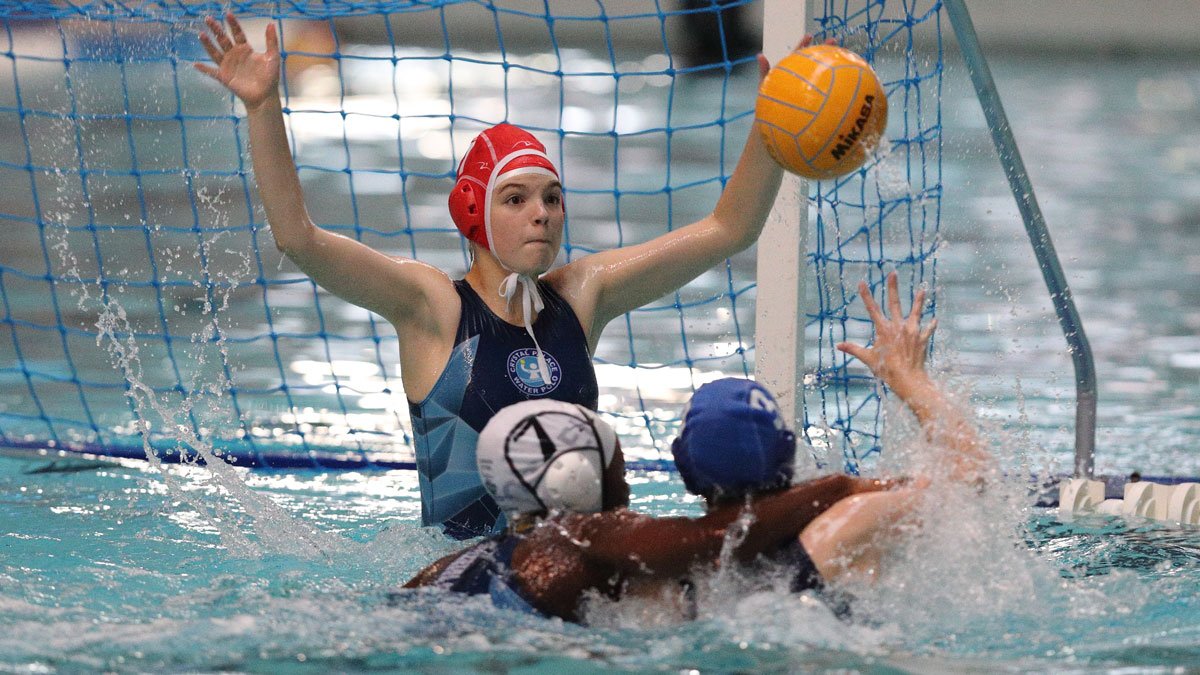
A standard water polo game is 32 minutes long, divided into four 8-minute quarters.
Ever wondered about the fast-paced action of water polo and how long is a waterpolo game? It’s a sport that demands incredible stamina and skill from its players.
The game might seem like it goes by quickly with all the swimming and ball handling. But it is actually structured with specific time rules. This ensures a fair and engaging contest for all. The stop clock is used, adding another dynamic to the game flow.

How Long Is a Water Polo Game?
Alright, let’s dive deep into the world of water polo and figure out just how long these exciting matches last! If you’re new to the sport, or just curious, understanding the game’s timing can make watching and playing much more fun. It’s not as simple as a straightforward clock like in basketball or soccer, there are some twists and turns you should know about. So, let’s explore all the ins and outs of water polo game length.
The Basics: Quarters and Time
A standard water polo game is divided into four periods, often called quarters. Think of it like four mini-games put together to make the whole match. Each quarter is a set length of time, but the clock doesn’t always keep running. This is a very important thing to understand. The time only runs when the ball is in play, which we’ll talk more about in a moment.
Regulation Game Length
For most official water polo games, including professional matches, college, and high school games, each quarter is 8 minutes long. However, this is actual playing time. This means the clock stops whenever there’s a break in the play. So, while each quarter is technically 8 minutes, the total game time often ends up being longer. Also, different leagues and age groups might have different quarter lengths, so it is good to know some differences that might exist.
- Official FINA (International) Games: 8-minute quarters
- Most Collegiate Games: 8-minute quarters
- High School Games: Typically 6- or 7-minute quarters
- Youth Leagues: Can vary, often shorter quarters for younger players.
The differences in quarter lengths for different groups are all designed to help athletes compete at their level. If you play youth leagues, you’ll probably be playing with shorter quarters compared to people who are playing at the college level.
Understanding “Game Clock” vs. “Real Time”
Now, this is where it gets a little tricky. Unlike some sports, the game clock in water polo stops a lot. This “game clock” refers to the clock that dictates the play time in the game, and this is very different from how real time on a watch works. It is essential to understand the difference between game clock and real time to understand the actual duration of the game.
When the Clock Stops
The clock in a water polo game is a running time clock, but it stops each time the ball goes out of play. Here is a list of several situations where the clock stops:
- Goals: After a goal is scored, the clock stops until the ball is put back into play.
- Fouls: When a foul is called, the clock stops. This allows the teams to reposition.
- Timeouts: When a coach calls a timeout, the clock stops for the duration of the timeout.
- Injuries: If a player is injured, the clock stops for any medical attention required.
- Ball Out of Bounds: If the ball goes out of bounds, the clock stops.
- End of Each Quarter: The clock stops at the end of each quarter and starts again for the next.
Because the game clock stops so often, a water polo game that is 32 minutes long in playing time will have a much longer game duration in real time.
How Long Does a Water Polo Game Actually Take?
So, if the game clock is set to 32 minutes (4 quarters of 8 minutes), how long does a water polo game really take? It’s definitely longer than that! On average, a game will usually last anywhere from 60 minutes to 90 minutes, or even longer. Several factors affect the real-time length of a game.
Factors Affecting Game Length
Here are some things that can cause the real-time duration of a game to fluctuate:
- Number of Fouls: A game with many fouls will take longer because the clock stops after each foul.
- Number of Goals: If both teams score a lot of goals, the game will take a bit longer with the clock stopping after each goal.
- Number of Timeouts: Both teams can call timeouts, and if a lot of timeouts are called, the game will take longer.
- Number of Injuries: Any injury time will increase the real time of the game.
- Overtime: If there’s a tie after all four quarters, an overtime period is played, and that also adds to the game length.
Typical Game Timeline Example
Let’s imagine a typical water polo game to see how all of this adds up. In this example, let’s assume we have a 32 minute game of 8-minute quarters. This is for demonstration purposes and could vary based on actual play.
- First Quarter: 8 minutes of playing time, but about 15 minutes of real time with stoppages.
- Second Quarter: Another 8 minutes of playing time, and about 15-20 minutes of real time.
- Half-Time: A 5-minute break in the middle of the game.
- Third Quarter: 8 minutes of playing time, about 15-20 minutes of real time.
- Fourth Quarter: The final 8 minutes of playing time, again, about 15-20 minutes of real time.
- Total Real Time: Approximately 70-80 minutes.
This is a typical timeline, but it’s important to know that some games can be faster and others can be slower. Remember that overtime will add a significant time to a game, as overtime can be comprised of 2-3 additional quarters depending on the tournament and level of play.
Overtime Rules in Water Polo
Just like in other sports, sometimes water polo games end in a tie! When this happens, there are specific overtime rules that can be used. This can differ between leagues and tournaments, so it’s good to know a few different formats that might be used.
Common Overtime Formats
Here are some common formats for overtime:
- Two Extra Periods: The most common overtime is two extra periods of 3 minutes, with a 2-minute break in between. If the game is still tied, a further period may be played.
- Sudden Death: After a tie, an additional period could be played under a sudden death format. In sudden death, the first team to score a goal wins. This is less common in water polo but may be used in some lower level tournaments.
- Penalty Shootouts: In some tournaments, if the game remains tied after any overtime periods, penalty shootouts will decide the winner.
Timeouts in Water Polo
Timeouts are strategic breaks that coaches use to talk to their team, plan a play, or just let the players catch their breath. Understanding when and how timeouts work can really help you understand a water polo game.
How Timeouts Work
Here are some quick facts about timeouts in water polo:
- Number of Timeouts: Typically, each team gets two timeouts during a game.
- Timeout Length: A standard timeout lasts for one minute.
- When Can Timeouts Be Called?: Timeouts can only be called when a team has the ball in their possession.
- Strategic Use of Timeouts: A good coach will use a timeout strategically, usually when their team needs a rest or a play needs to be drawn out.
Variations in Game Length
While the standard water polo game generally follows the 8-minute quarter structure, remember that different leagues, age groups, and tournaments can have slightly different rules. Let’s look at how these differences can affect the game’s overall length.
Different Levels of Play
Here are some common variations:
- Youth Water Polo: Games for younger players may have shorter quarters, often ranging from 5 to 7 minutes each, to accommodate their age and endurance levels.
- High School Water Polo: Games at the high school level frequently use 6 or 7 minute quarters to manage the time and demands of the games.
- International Water Polo: Games played in international tournaments like the Olympics or World Championships always use 8-minute quarters.
- College Water Polo: Most college level games use 8 minute quarters.
Why Does the Game Clock Stop So Much?
You might wonder why the game clock in water polo stops so frequently. It’s not just to be annoying! There are several reasons for this, and they all contribute to the fairness and flow of the game.
Reasons for Clock Stoppages
Here’s a breakdown:
- Fairness: When the ball goes out of bounds, or a foul is called, play needs to stop. If the clock kept running, it would put one team at a disadvantage. The stop allows play to resume fairly.
- Safety: Stopping the clock when there is an injury allows for a medical professional to look at and take care of the athlete.
- Strategy: Stoppages allow coaches to call timeouts and have a strategy conversation with their team.
- Flow of Play: Stopping the clock can help to create short breaks in the action so that athletes and officials can catch a short breath between intense moments of play.
How to Keep Track of Game Time
As a spectator, keeping track of time in a water polo game might feel confusing since the clock is always stopping and starting. Here’s a simple guide for watching the game and keeping track of time:
- Look at the Game Clock: The large clock that counts down is the game clock and displays the remaining time in the current quarter.
- Listen to the Announcer or Referee: They’ll often announce stoppages, timeouts, and the start and end of quarters.
- Pay Attention to the Play: If the ball goes out of play or a foul is called, the clock will stop and you know play will resume shortly.
The Importance of Understanding Game Time
Understanding the rules and the clock is important for athletes and spectators. For athletes, it helps them manage their energy and strategies. For spectators, it helps you follow the game and understand why something happened and what may happen next.
Benefits of Understanding Time
- For Players: Knowing how the game clock works allows players to better manage their energy. If they know there are only a few minutes remaining in the game, they know they need to play with a higher sense of urgency.
- For Coaches: Coaches can use timeouts more effectively when they know how much time is left on the clock. This allows for better strategies and in-game decision making.
- For Spectators: Understanding how the game clock works makes watching the game so much more interesting and engaging.
So, the next time you watch a water polo game, you’ll have a better idea of how long it will take. It’s not just about the 32 minutes of playing time, but also about all of the exciting action and stoppages in between.
#waterpolo #game #sports
Final Thoughts
A typical water polo game consists of four quarters, each eight minutes long. These are actual playing minutes; time stops when the ball is not in play. There are short breaks between periods, with a longer halftime interval.
Therefore, the answer to ‘how long is a waterpolo game’ is that it can vary. Depending on stoppages the total time taken for a match can be longer than the cumulative playing time. The length of breaks and other interruptions influence the final duration too.

