
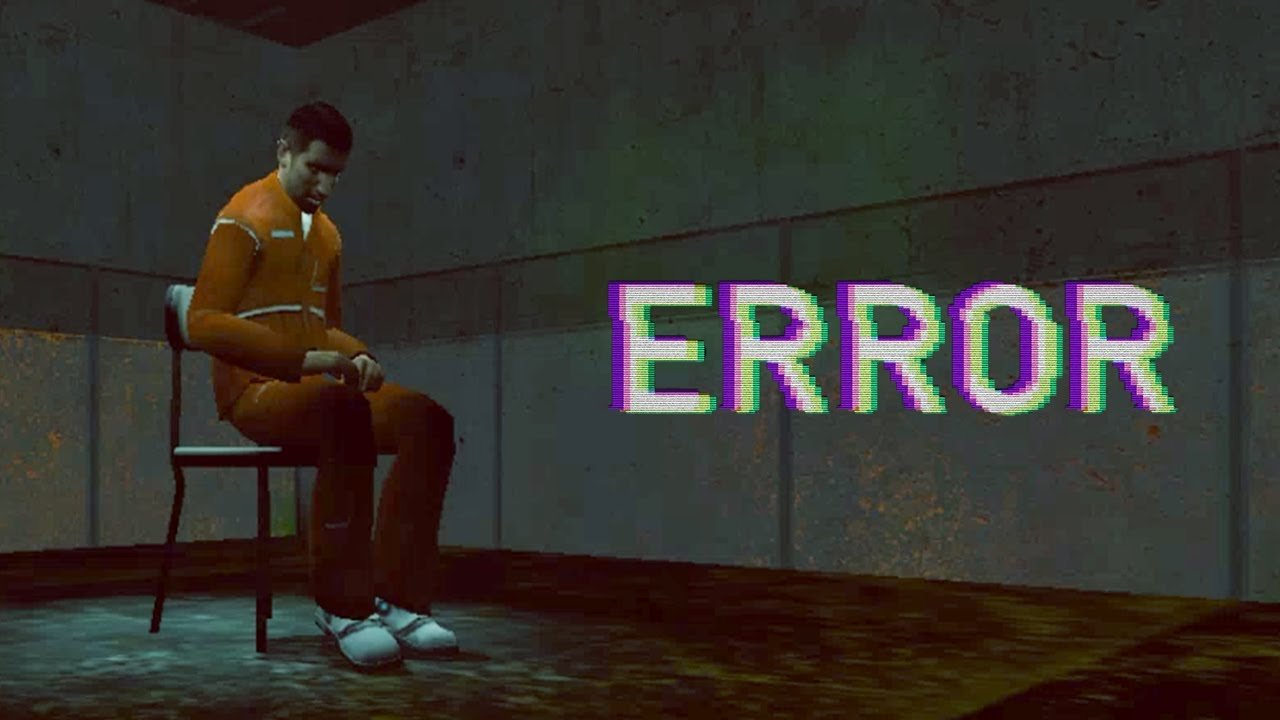
No, Portal is not a horror game; it’s a puzzle-platformer with a dark comedic tone.
The sterile white walls of Aperture Science, the ever-present disembodied voice of GLaDOS, and the sense of isolation might make you wonder if is Portal a horror game. The game uses these elements to create an atmosphere of unease rather than outright terror. This feeling can sometimes be unnerving for new players.
The core mechanics focus on puzzle solving. Players use portals to navigate and manipulate the environment, which is a key focus of the gameplay rather than creating fear. Therefore, while atmospheric at times, Portal does not fit into the horror genre.

Is Portal a Horror Game?
Okay, let’s dive into the big question: Is Portal, that puzzle game where you shoot portals and solve tricky rooms, actually a horror game? It might seem like a funny idea at first. After all, there aren’t any zombies or monsters jumping out at you. But when we look a little closer, we see some things that make us wonder if there might be something spooky hiding just beneath the surface. Think about it – you’re alone, in a weird place, with a computer that talks to you and sometimes seems a bit…off. Let’s explore why some people feel a little creeped out by Portal, even if it doesn’t fit the typical definition of a horror game.
The Isolation Factor: A Lonely Journey
One big reason why Portal might feel spooky is how lonely it is. You play as Chell, and she’s completely on her own. You don’t see any other humans, just the environment and the ever-present voice of GLaDOS. This lack of other people can create a feeling of unease. It’s like you’re wandering through a ghost town, but instead of buildings, you have these strange test chambers. Think about it:
- No friends or family: Chell’s completely by herself. There’s no one to chat with or high-five after solving a tricky puzzle.
- A constant observer: Even though you’re alone, GLaDOS is always watching, always listening, and always commenting on your actions. It’s like being in a fishbowl.
- The emptiness of Aperture: The test chambers are clean and orderly, but they’re also devoid of life. They feel abandoned, like something went terribly wrong a long time ago.
This sense of isolation isn’t something you often find in casual puzzle games. In many puzzles, you might have some sort of companion characters, or the setting will feel friendly. But in Portal, the feeling of being all alone in a strange place adds to a layer of tension and makes you feel like something is not quite right.
GLaDOS: Friend or Foe?
Let’s talk about GLaDOS. She’s the computer that guides you through the game, and at first, she seems helpful. She gives you instructions, tells you where to go, and sometimes even gives you little rewards (like cake!). But as the game goes on, you realize she’s not exactly the friendliest AI. Her comments become increasingly sarcastic and passive-aggressive. The way she talks to you makes you question her intentions.
GLaDOS’s Creepy Dialogue
Some things she says are funny, but some are downright unsettling. For example, she’ll say things like, “The Enrichment Center reminds you that the Weighted Companion Cube will never threaten to stab you, and, in fact, cannot speak.” Or, “We are pleased that you made it through the final test chamber where we pretended we were going to murder you.” She also claims, that she cares for you, but her actions sometimes don’t match her words. This creates a feeling of distrust and paranoia. You’re never really sure what she’s planning or what’s coming next. Here’s how her dialogue affects the game’s atmosphere:
- Passive-aggressive comments: She constantly insults you in a disguised polite manner. This makes you feel small and under her control.
- Unsettling promises: She promises you cake, but it never comes. This makes you question her sincerity.
- Hidden agendas: As the story unfolds, you understand that GLaDOS isn’t just trying to help you. She has her own reasons for putting you through these tests.
This constant tension of not knowing what GLaDOS will do next really amps up the unnerving atmosphere. She’s not just a computer giving directions; she feels like a predator, and you’re her prey.
The Unsettling Setting: Aperture Science
The game takes place inside the Aperture Science Enrichment Center. This is a research lab that feels like a mix of a science classroom and a mysterious bunker. Everything is white, sterile, and seems like it’s been designed to test and observe. It’s a world of artificial environments where you’re constantly being monitored. This sterile and controlled environment can be seen as creepy by many people. Let’s explore the key elements of Aperture Science that add to the creepy atmosphere:
- The Clinical Environment: All the walls are white, all the test rooms are similar, everything is very sterile. It feels less like a testing facility, and more like a laboratory where experiments can go wrong at any moment.
- The Lack of Nature: There are no windows, no plants, no natural light. It is an artificial world that adds to the feeling of isolation.
- The Test Subject Feel: You’re a test subject going through their tests, this makes you realize that the world doesn’t see you as an individual human but a lab rat.
- The Signs of a Failed Past: You can find old test chambers, that feel like someone left in a hurry, and these little findings give a sense that something bad happened here.
These aspects make Aperture Science feel more like a prison or laboratory gone wrong, which adds another layer of anxiety to the gameplay. It makes you think there was something wrong with this place and you’re caught in its loop.
The Unseen: Implied Horror
Portal doesn’t rely on jump scares or gore to create a sense of horror. Instead, it uses implied horror. This means the game suggests that something bad might happen rather than showing it directly. You might see the hints of past experiments that didn’t go so well, or hear GLaDOS mentioning dangerous chemicals in her test chambers. This makes the game more unsettling, because it leaves you to imagine the worst possibilities. Here’s how implied horror works in Portal:
- Hints of past events: You find areas where things were clearly damaged or where someone was present. This suggests something happened here.
- GLaDOS’s unreliable statements: She says things that don’t quite add up, leaving you to wonder what the real truth is.
- The unknown future: You are not exactly sure of where you are or why you are there, which makes you nervous about what the future might bring.
This kind of horror can be more effective than direct scares because it plays on your imagination and fears. Instead of a monster, it is you who makes up the horrors in your head.
The “Escape Room” Tension
One of the core elements of a puzzle game is the need to escape and solve the puzzles to progress through the game. This element of an “escape room” can add a sense of tension and the fear of being trapped in a place, which increases anxiety. This feeling is more pronounced in Portal because of the game’s setting and the way GLaDOS interacts with you. Here are some elements that add to this escape room tension:
- Trapped Inside Aperture: You know you’re trapped inside this facility and you will only be free once you complete the tests.
- The need to overcome obstacles: The need to solve the puzzles and outsmart GLaDOS adds a sense of urgency and tension.
- The final confrontation: The final test room, and the battle with GLaDOS feels like a life or death scenario. This adds pressure to the escape element of the game.
The combination of these elements makes the game feel like it is a fight for survival, which could add to a sense of horror that a typical puzzle game does not create.
Is Portal 2 More or Less Scary?
If we look at the sequel, Portal 2, it maintains most of the elements that make the first game feel unsettling, but it also introduces some new aspects. While some people find the expansion of the storyline and the introduction of new characters to be less scary, it also introduces more detailed environments and more complex puzzles, that can add to the feeling of entrapment.
- Expanded Story: It develops the lore of Aperture Science more deeply, and it provides more details on how things went wrong in the facility, which some people find even creepier than the first game.
- New Characters: Introducing Wheatley can reduce the isolation, while at the same time adding a new unreliable character to the setting.
- More Detailed Environments: The more detailed test chambers can be even more unsettling as they give a sense of reality and allow the player to imagine what was happening there in more detail.
Whether Portal 2 is more or less scary than the first game, it maintains the same elements of tension, which shows the horror elements are not a mistake, but a design decision.
Semantic Keyword Density and Relevance
Looking at the keywords, phrases, and concepts that we have discussed today, we can clearly see the relevance of these concepts, here are some key phrases that help in search visibility:
- Portal horror game: This phrase is central to the discussion of this article.
- Isolation in Portal: This phrase explains the sense of loneliness in the game.
- GLaDOS creepy: This phrase focuses on GLaDOS’s unsettling behavior and dialogue.
- Aperture Science unsettling: This phrase covers the creepy nature of the game’s location.
- Implied horror in Portal: This highlights the game’s use of hidden and suggested horrors.
- Portal escape room: This covers the tense feeling of the game.
- Portal 2 scary: This allows us to explore whether the sequel is more or less horror-like.
- Artificial environment: The importance of the synthetic feel of the game world.
- Unreliable narrator: GLaDOS’s nature as an AI who lies to you.
These keywords and keyphrases create a clear understanding that Portal, might be categorized as a horror game by many. This shows how the game, without using the typical horror elements, creates a sense of horror and tension.
So, is Portal a horror game? While it doesn’t have the monsters or jump scares we usually associate with horror games, it certainly has many elements that create a sense of unease and anxiety. The feeling of isolation, the unsettling nature of GLaDOS, the sterile and lonely environment, and the feeling of being trapped, all these things combined create an atmosphere that can be very creepy. It depends on how you look at it, but the game does have many aspects that could classify it as a horror game, even if it’s not intentional. In short, Portal might not be a traditional horror game, but it’s definitely a game that can feel a little bit scary. The combination of puzzles, isolation, and the unpredictable nature of GLaDOS makes it more than just a simple puzzle game. It is a game with depth, tension, and a pinch of horror, that makes the game so unique and captivating.
The Isolation of Aperture Science
Final Thoughts
Ultimately, Portal’s eerie atmosphere and sense of isolation create a compelling, unsettling experience. The sterile environments and disembodied voice of GLaDOS build tension effectively. These elements definitely contribute to a feeling of unease.
However, jump scares and direct gore are absent. This lack of typical horror elements means it is different from standard horror. So, is portal a horror game? While not strictly horror, it has aspects that may evoke unsettling feelings for some. Therefore it’s best described as suspenseful puzzle game.

