
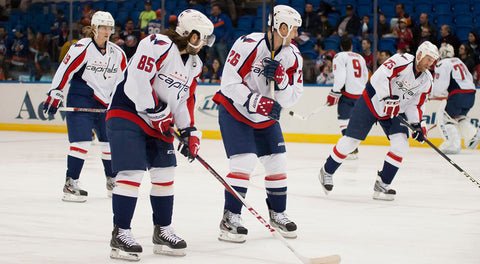
A standard ice hockey game, including intermissions, typically lasts around 2.5 to 3 hours.
Ever wondered how long you’d be glued to your seat watching a nail-biting hockey match? The question of how long is an ice hockey game including breaks is a common one for both new and seasoned fans. It’s not just the action on the ice, you also have those essential intermission breaks factored into the total time.
Knowing the duration helps you plan your evening, whether you are heading to the arena or settling in at home for game night. These breaks are necessary, allowing players to rest and coaches to strategize further.

How Long is an Ice Hockey Game Including Breaks?
So, you’re curious about how long an ice hockey game really takes, including all those stops and starts? It’s a great question! While the game clock might show a specific time, the total time you spend watching a game is often longer. Let’s dive into all the details about ice hockey game duration.
The Core Ice Hockey Game Length: Three Periods
At its heart, a standard ice hockey game has three periods, each lasting 20 minutes. This is true for professional leagues like the NHL (National Hockey League), as well as for many college and higher-level amateur leagues. The clock runs during play time and stops when the puck goes out of play, during penalties, and at other stoppages. It’s this stop-and-start nature that stretches out the actual game time.
What Happens Between Periods?
The breaks between periods are a big part of an ice hockey game’s length. These breaks are called intermissions, and they aren’t just for players to rest. They allow time for ice maintenance, for fans to stretch their legs, and for teams to regroup and strategize.
- First Intermission: This usually lasts about 15-18 minutes.
- Second Intermission: This intermission typically is also around 15-18 minutes.
The purpose of these intermissions is really important for the smooth running of the game. The ice gets a workout throughout the period, and the Zamboni machine comes out to scrape and smooth it to ensure ideal playing conditions for the next period. Without these regular resurfacings, the ice would quickly become rough and uneven. The teams use the intermissions to make needed adjustments to their strategy. Coaches have time to talk to the players, review what’s happening, and give important advice.
Stoppages in Play: More Than Just Intermissions
Beyond intermissions, numerous other factors contribute to the overall game length. The clock doesn’t run continuously like it does in a soccer game. It stops for many reasons:
Puck Out of Play
When the puck goes out of play, whether into the stands or out of the rink, the clock stops. This ensures no time is wasted trying to retrieve the puck. Play can’t resume until a new puck is in the play.
Penalties
When a player commits a penalty, the referee blows the whistle and the clock stops. The penalized player goes to the penalty box, and a power play starts for the other team. These stoppages can vary in length and happen frequently, particularly in a game with lots of physical play.
Offsides and Icing
Offsides occurs when a player enters the offensive zone before the puck does and Icing takes place when a player shoots the puck from behind their own goal line to the opposite end of the ice. These stoppages reset play, and the clock stops to do it.
Injuries and Other Stoppages
Injuries can happen in hockey, and when they do, the game stops. The medical staff comes onto the ice to assist the injured player. Sometimes equipment adjustments or other issues may also cause short stoppages.
How These Stoppages Affect the Game’s Duration
All of these stoppages mean the actual clock time of a hockey game is different from the actual time you spend watching it. While the game has 60 minutes of “playing” time, these stoppages regularly and significantly extend the game’s total duration. It also depends on the pace of the game.
Average Game Time
So, how long does a typical hockey game really last? Considering all the stoppages, a standard ice hockey game, including the intermissions, typically lasts around 2 and a half to 3 hours. A fast-paced game with fewer penalties and stoppages might be closer to 2 hours, whereas a game with many penalties, injuries, or other delays could easily stretch beyond 3 hours.
Overtime and Shootouts: What Happens if the Game is Tied?
Sometimes, a game can’t be decided within the three periods. When this occurs, we go to overtime.
Overtime
If the game is tied after three periods, the game goes to overtime. In the regular season, overtime is 5 minutes long, with 3 on 3 players for each side. The game ends immediately if a goal is scored. In the playoffs, overtime periods are 20 minutes long and played with 5 on 5 players. These overtimes continue until a goal is scored.
Shootouts
If the game is tied after the overtime period during a regular season game, it goes to a shootout. Each team takes turns trying to score one on one against the goalie. A team wins the game when it has scored more goals during the shootout. Shootouts don’t occur in the playoffs.
Factors Affecting Game Length: Variables to Consider
Several factors can cause the length of a hockey game to vary. It is good to know what these factors are so that you can have a sense of how long the game could possibly be.
The League
Different hockey leagues have different rules and structures. For example, NHL games are often longer than amateur league games, generally due to the higher frequency of stoppages and TV timeouts. College and minor league games may have slightly different intermission lengths.
The Style of Play
Games with a lot of physical play and penalties will likely be longer due to frequent stoppages. If a game is fast-paced and includes minimal stoppages, it will likely be shorter than a game with a lot of whistles.
Television Broadcasts
Nationally televised NHL games often include additional stoppages for television timeouts. This is another example of time being added to the clock.
A Quick Reference Table: Understanding Game Length
Let’s summarize what we’ve discussed with a handy table:
| Game Component | Typical Duration |
|---|---|
| Regulation Periods | 3 periods of 20 minutes each (60 minutes total) |
| Intermissions | Two breaks of 15-18 minutes each (30-36 minutes total) |
| Overtime (Regular Season) | 5 minutes of 3 on 3 play, sudden death |
| Overtime (Playoffs) | 20 minutes periods of 5 on 5 play, sudden death |
| Shootout (Regular Season) | Until a winner is determined |
| Typical Total Game Time | Approximately 2.5 to 3 hours (including intermissions) |
Game Length in Different Leagues: A Brief Comparison
While the general structure is similar, there can be some differences in game length depending on the league.
NHL (National Hockey League)
NHL games typically last between 2.5 and 3 hours. As described above, games can last longer due to broadcast television.
AHL (American Hockey League)
AHL games are very similar in duration to the NHL, averaging 2.5 to 3 hours in total, with three 20-minute periods and intermissions.
CHL (Canadian Hockey League)
CHL games also follow the three-period structure, generally lasting around 2.5 to 3 hours, but minor differences in rules could have a small impact.
College Hockey (NCAA)
College hockey games usually average around 2.5 to 3 hours, with similar rules and a comparable structure, and similar lengths of intermissions.
Youth Hockey
The length of youth hockey games differs based on the age level. Younger levels often play shorter periods, like 10 or 15 minutes, while higher levels will play a full 20-minute period. Intermissions will vary as well based on the organization and level.
Understanding Game Time versus Actual Time
It’s vital to distinguish between “game time,” which is the total time on the clock, and “actual time,” which is the length of time from the start of the first period to the end of the game. The clock stops and starts many times, which leads to actual time lasting much longer than the 60 minutes of play. This means that game time is a short portion of the full time. So when you hear about the game duration, it’s usually the actual time that people are describing.
So, the next time you settle in to watch an exciting ice hockey match, remember it’s not just the 60 minutes on the clock. The stoppages, intermissions, and the possible extra periods of play add to the overall experience, making it a unique viewing experience.
How Long is an Ice Hockey Game Including Breaks?
Ever wondered just how long you’ll be glued to your seat watching an ice hockey game? It’s not as simple as just the 60 minutes you see on the clock. The game is full of starts and stops, breaks, and other things that add time. Let’s take a deep dive into what affects the total time you spend watching a hockey game.
The Basic Structure: Three Periods of Play
A standard ice hockey game is divided into three periods. Each period is 20 minutes long. This might sound like the game is only an hour, but that is not true. This time is the “playing time” only. The game clock stops a lot due to stoppages in play. So, even though each period has 20 minutes of play, the actual time it takes to finish each period is longer than 20 minutes.
Intermissions: The Breaks Between the Action
Between each period, there are breaks called intermissions. These aren’t just a chance for players to catch their breath; they’re also when the ice gets cleaned! The Zamboni machine comes out to smooth the ice, getting it ready for the next period. This takes a little time and it is not part of the play clock. These are important times for teams to regroup and make a new plan as well.
- First Intermission: This break is usually around 15 to 18 minutes long.
- Second Intermission: This break is also typically about 15 to 18 minutes long.
The intermissions are important for both the players and for the ice. The players get a rest, and the ice gets maintained. This makes for better and safer playing conditions.
Stoppages During Play: Whistles and Pauses
The clock in hockey isn’t like a clock in other sports, like soccer. The clock in soccer keeps running even if the ball goes out of bounds or the play stops for a little bit. In hockey, the clock stops every time there is a stoppage. This means that the 20 minutes of play in each period actually takes much longer in real time. Let’s look at the different reasons that a hockey game stops.
Puck Out of Play
When the puck goes out of bounds, whether it flies into the crowd or over the boards, the clock stops. The game can’t resume until the puck is back in play. The referee or linesman has to blow the whistle every time the puck is out of play. This is very common, so you see the clock stop and start often during the game.
Penalties
If a player breaks the rules, they get a penalty. When this happens, the clock stops, and the player goes to the penalty box. This gives the other team a chance to play with one more player on the ice, which is called a power play. The clock is stopped while the penalty is assessed.
Offsides and Icing
Hockey has two rules called “offsides” and “icing.” Offsides happens when a player goes into the offensive zone before the puck. Icing is when a player shoots the puck from behind their own goal line all the way down to the opposing goal line without it being touched by another player. When these occur, the game stops while the teams set up at the face-off circle. These stoppages occur quite a bit during the game, and each stoppage takes up precious time.
Injuries and Other Delays
Sometimes, players get injured. If a player gets hurt, the game stops so that the player can get medical help. The clock is stopped during the time the medical personnel are on the ice. Sometimes, something will happen like a player’s equipment breaks and they need to fix it, so the clock is stopped for that. The many stoppages in play make hockey games longer than their stated 60-minute game play.
The Impact of Stoppages on Total Game Time
All of these stoppages add to the total time of the game. The game clock shows only the time that the puck is in play, but the breaks and stoppages make the game last longer in real time. So, even if the game only shows 60 minutes of play, it is often much more in actual time.
The Average Total Game Time
A typical hockey game, including all the intermissions and stoppages, will often last between 2 and a half to 3 hours. This is much longer than the 60 minutes of playing time. Games with lots of penalties and stoppages often go longer than 3 hours, and games with less penalties might come closer to 2 hours.
What Happens if the Game is Tied? Overtime and Shootouts
Sometimes, a game ends in a tie after three periods. When this happens, the game goes to overtime. Overtime rules are different for regular season games and playoff games.
Overtime
In the regular season, teams play 5 minutes of 3 on 3 sudden death overtime. The first team to score in this overtime period wins the game. In the playoffs, overtime is 20 minutes of 5 on 5 sudden death overtime. These overtime periods are played until one of the teams score.
Shootouts
If the game remains tied after the regular season overtime, then the game goes to a shootout. In a shootout, players take turns trying to score one-on-one goals against the opposing goalie. The team who makes the most goals during the shootout wins the game. Shootouts are not used in the playoffs.
Factors That Can Change Game Length
Many different things can change the total length of the hockey game, causing some to run shorter, and some to run much longer.
League Differences
The different hockey leagues have different rules that can impact the length of the game. The NHL, for example, tends to have more stoppages and broadcast timeouts. This can make these games longer. College hockey and lower levels sometimes have a shorter time between periods or fewer stoppages, making them shorter. Every league has its unique rules, so it’s good to know what to expect.
Game Style
The way a game is played can impact its length. A game with a lot of penalties, fights, and stoppages will likely be longer than a game with clean, fast play. Games with lots of goals scored sometimes move faster than games with fewer scoring chances.
TV Broadcasts
Games shown on TV often have extra breaks for commercials. These TV timeouts will add to the game’s length. If you watch a game on TV, it will likely be longer than a game that is not televised.
A Quick Look at Game Length
Here’s a table to help you keep track of the general lengths of each part of the game:
| Game Element | Typical Length |
|---|---|
| Regulation Periods | 3 periods x 20 minutes each = 60 minutes |
| Intermissions | 2 breaks x 15-18 minutes each = 30-36 minutes |
| Overtime (Regular Season) | 5 minute sudden death |
| Overtime (Playoffs) | 20 minute sudden death periods |
| Shootouts | Varies in length, ends when winner decided |
| Typical Total Time | About 2.5 to 3 hours |
Comparing Game Length Across Leagues
While all hockey follows the same general rule, there are slight variations in different leagues.
NHL (National Hockey League)
NHL games typically average about 2.5 to 3 hours. This is because there are a lot of stoppages and TV timeouts. These games tend to be some of the longest hockey games you will see.
AHL (American Hockey League)
AHL games usually last about the same as NHL games, roughly 2.5 to 3 hours. The overall length of these games is very similar to NHL games, even if the team is not an NHL affiliate.
CHL (Canadian Hockey League)
CHL games average about 2.5 to 3 hours, just like the NHL. These games can vary as the rules are a bit different and the speed of play can change.
College Hockey (NCAA)
College games are about 2.5 to 3 hours long. College teams play with the same rules and regulations as many other pro hockey leagues, so their times are very comparable.
Youth Hockey
Youth hockey games can vary in length. Younger players will have shorter period times, whereas older youth players will have periods of the same length as the higher leagues. This means their game times will often be shorter, in some cases only 1.5 to 2 hours.
Game Time vs. Actual Time: What’s the Difference?
The difference between “game time” and “actual time” is very important. Game time is the time on the clock that the puck is in play. Actual time is the real time that it takes to complete the game, including all the stoppages, intermissions and possible overtimes. It’s important to understand that games last much longer than just the 60 minutes of play time.
So, now you know a hockey game is more than just the 60 minutes on the clock! Next time you are watching a game, you will know what to expect, and why it takes so long to finish one.
How Long is an Ice Hockey Game Including Breaks?
When you’re getting ready to watch a hockey game, you might wonder, “How much time should I set aside?” It’s a good question because a hockey game isn’t just the 60 minutes you see on the clock. There are lots of breaks and stops that make the total time longer. Let’s explore what makes a hockey game’s length different from the “playing time” displayed.
The Basics: Three Periods of Hockey
A typical ice hockey game is divided into three periods. Each period is 20 minutes long. However, this is just the active playing time when the clock is running. The clock stops a lot throughout the game, which makes the actual time much longer than 60 minutes.
Intermissions: The Breaks Between Periods
Between each of the three periods, there are breaks called intermissions. These intermissions aren’t just for the players to rest. This is also a time when the Zamboni machine comes out to clean and smooth the ice for the next period. The players also use this time to discuss strategies and plans with the coaches.
- First Intermission: This break usually lasts about 15 to 18 minutes.
- Second Intermission: This break also lasts about 15 to 18 minutes.
These intermissions are a crucial part of the game, allowing time to get ready for the next period. The ice conditions improve and the teams get to re-strategize. This is very important for the safety of the players and the overall quality of the game.
Stoppages in Play: More Than Just Intermissions
The clock in a hockey game doesn’t run continuously, unlike some other sports. Instead, it stops frequently for many reasons during play. These stoppages extend the actual length of the game much further than just the playing time.
Puck Out of Play
When the puck leaves the playing surface, whether it goes into the spectator area or out of the rink itself, the clock stops. The play can’t resume until the puck is back in play. This happens very often in hockey games, so it accounts for a lot of the extra time.
Penalties
When a player breaks a rule, the referee stops the game and gives a penalty. The player goes to the penalty box, and the clock stops until that penalty is done. Penalties can vary in length and can slow the game down a lot. Depending on the team, there can be more penalties, which lengthens the game.
Offsides and Icing
Offsides is when a player enters the attacking zone before the puck. Icing is when a player shoots the puck from behind their own goal line to the opposite end of the ice without it being touched by another player. When these situations occur, the game stops. The teams reset to a face-off to begin play again. These rules and stoppages slow the game down.
Injuries and Other Stoppages
If a player gets hurt, the game stops to allow medical staff to help them. Sometimes equipment needs adjusting or another issue needs to be addressed, which also stops the game clock. These delays add time to the game, but are necessary to ensure the safety of everyone.
How Stoppages Affect Total Game Time
All the stoppages mentioned above contribute to the actual time of a hockey game. Even though the clock might say 60 minutes, the total game time including all the stoppages is much longer. The actual game time is longer than the game clock shows.
Typical Game Length
Taking all of these stoppages into account, a standard ice hockey game, including the intermissions, typically lasts between 2.5 and 3 hours. Some games are faster and might be closer to 2 hours, but some games with many penalties and other stoppages might last beyond 3 hours.
What Happens When a Game is Tied? Overtime and Shootouts
If a game is tied after the three periods, the game goes to an extra period, called overtime. There are different overtime rules for the regular season and for the playoffs. If the game is still tied after the overtime period during the regular season, it goes to a shootout to decide the winner.
Overtime
During the regular season, the overtime is five minutes long, played with only three skaters on each side. The first team to score wins. In the playoffs, the overtime periods are 20 minutes each with the full five players on each side. These overtime periods are played until a team scores.
Shootouts
If a game is tied after the overtime period in a regular season game, a shootout is used to decide a winner. Each team takes turns shooting on the opposing goalie. The team that scores the most goals wins the game. Shootouts don’t occur in playoff games.
Things That Can Change Game Length
The total length of a hockey game can vary. Let’s look at some factors that cause it to change.
League Variations
Different hockey leagues have different rules and structures that can impact the length of the game. For example, the NHL tends to have more TV timeouts than other leagues, causing games to run longer. College and amateur games sometimes have shorter intermissions or fewer stoppages, which shortens game times.
Style of Play
The style of play has a big impact on the game’s length. Games with a lot of penalties and physical play have more stoppages. This will make the game last longer. If a game is fast paced and has few stoppages, the game will likely be shorter.
Television Broadcasts
Television broadcasts have commercial breaks. These commercial breaks extend the total time it takes to watch a game on TV. TV games will likely be longer than games that aren’t televised.
A Summary of Game Length
Let’s take a look at the typical times in a table:
| Game Component | Typical Duration |
|---|---|
| Regulation Periods | 3 periods x 20 minutes each = 60 minutes |
| Intermissions | 2 breaks x 15-18 minutes each = 30-36 minutes |
| Overtime (Regular Season) | 5 minutes sudden death 3 on 3 play |
| Overtime (Playoffs) | 20 minute sudden death periods |
| Shootout (Regular Season) | Varies in length, until a winner is decided |
| Typical Total Game Time | Approximately 2.5 to 3 hours |
Comparing Game Length Across Different Leagues
While the main structure of hockey games is the same, there can be some small differences in length across different leagues.
NHL (National Hockey League)
NHL games tend to be longer, typically lasting from 2.5 to 3 hours. The TV timeouts and the number of stoppages contribute to this.
AHL (American Hockey League)
AHL games are similar in length to NHL games, with the average total length being between 2.5 and 3 hours. This is due to the similar rules and structure used by both leagues.
CHL (Canadian Hockey League)
CHL games are also comparable in length, averaging about 2.5 to 3 hours. Minor differences in rules can have a slight impact.
College Hockey (NCAA)
College hockey games usually last about 2.5 to 3 hours as well, as they use similar rules to pro hockey leagues.
Youth Hockey
Youth hockey games have the most variability in their lengths. Younger players play shorter periods with shorter intermissions. Older youth players will play the same length of time as the professional leagues.
Understanding the difference between “Game Time” and “Actual Time”
It’s crucial to understand that “game time” is just the active clock time, and that “actual time” is the total amount of time from the first period to the end of the game. The stoppages, intermissions, and overtimes greatly impact the total time to watch a game. When people speak about a hockey game’s length, they are usually talking about the total actual time and not just the 60 minutes of play time.
So, now you know that the length of a hockey game is more than just the 60 minutes shown on the clock. Next time you watch a game, be prepared for it to last for 2.5 to 3 hours.
How Long is an Ice Hockey Game Including Breaks?
If you’re new to ice hockey or just curious about the total time commitment, you’ve come to the right place. It’s easy to think that a hockey game is just 60 minutes because of the three 20-minute periods. However, that’s just the amount of time the clock is running. The game actually takes much longer when you add in all the breaks and stoppages. Let’s explore the details of a hockey game’s true length.
The Basics: Three 20-Minute Periods
At its core, a standard ice hockey game consists of three periods. Each period is 20 minutes in length. This is true for most professional leagues like the NHL, as well as many amateur leagues. However, these 20-minute periods don’t run straight through. The clock is frequently stopped for various reasons, extending the actual length of each period.
Intermissions: The Breaks Between Periods
Between each period, there are breaks called intermissions. These breaks are important for a few reasons. First, they allow the players to rest and regroup. Second, the ice gets cleaned and resurfaced by a Zamboni machine. Finally, coaches get to talk to the team to make adjustments. These intermissions are not included in the 60 minutes of play.
- First Intermission: This typically lasts around 15 to 18 minutes.
- Second Intermission: This also usually lasts about 15 to 18 minutes.
These intermissions are essential for the proper flow of the game. Without this break, the ice would quickly become rough and hard to play on. The players need this time to rest and to be able to play at their highest level.
Stoppages During Play: Not Just for Breaks
Unlike some other sports, the clock in hockey stops a lot. These stoppages occur when the game has to stop for a specific reason. This makes the total length of a hockey game much longer than the 60 minutes of actual play.
Puck Out of Play
When the puck goes outside of the playing area, whether into the stands or over the boards, the clock stops. This is a common occurrence in a hockey game, and there are several instances each game of a puck out of play. This is a big contributor to a game being longer than 60 minutes.
Penalties
If a player commits a foul, a penalty is called and the clock stops. The penalized player has to go to the penalty box, and their team has to play a player short. Penalties can be of different lengths and can occur several times in a game.
Offsides and Icing
Offsides occurs when a player enters the offensive zone before the puck. Icing happens when a player shoots the puck from behind their own goal line all the way to the opposite end of the ice without it being touched by another player. Both of these cause a stoppage in play to reset for a faceoff.
Injuries and Other Delays
When a player gets injured, the game stops so that they can receive medical attention. There can also be other delays such as equipment issues, which also stop the clock. All of these stoppages add to the total length of the game.
The Impact of Stoppages on Game Time
All of these stoppages increase the length of a hockey game. Because of all of the many reasons that the clock has to stop, the time spent watching a game is much longer than the 60 minutes of play. Actual time is much longer than clock time.
Typical Total Game Time
A typical ice hockey game, including intermissions, will usually last between 2.5 and 3 hours. Games that have lots of penalties and other delays will usually go longer than 3 hours. Games that are fast-paced with fewer stoppages will come closer to 2 hours.
Overtime and Shootouts: Deciding a Winner
When a game is tied at the end of the three periods, the game goes into overtime. There are different rules for overtime depending on the season. If a game remains tied after overtime in the regular season, the game goes into a shootout.
Overtime
In the regular season, overtime is five minutes long, with three skaters on each side. This is a sudden-death overtime where the first team to score wins the game. In the playoffs, the overtime periods are 20 minutes long with the full team of five players. These 20-minute overtimes keep happening until a team scores.
Shootouts
If a game remains tied after overtime in the regular season, each team takes turns trying to score on the opposing goalie. The team who scores more goals wins the game. Shootouts do not happen in the playoffs.
Factors Affecting Game Duration
Several different things can affect the length of a hockey game. It’s good to know what these factors are, as it will give you an idea of how long the game could possibly be.
League Rules
Different leagues have different rules that can impact game length. For example, the NHL has more frequent stoppages for commercials, which can lengthen games. College and amateur leagues might have shorter intermissions or fewer breaks in play. This will impact how long the game takes to complete.
Style of Play
Games that have lots of penalties and stoppages tend to last longer. If a game is fast-paced with minimal stoppages, it will likely be shorter. The way the teams play can directly affect the length of the game.
Television Broadcasts
Nationally televised games often have added time for commercials. These TV timeouts will make the game longer than a game not shown on TV.
A Quick Reference Table
Here’s a table that summarizes the typical times for each part of the game:
| Game Element | Typical Length |
|---|---|
| Regulation Periods | 3 periods x 20 minutes each = 60 minutes |
| Intermissions | 2 breaks x 15-18 minutes each = 30-36 minutes |
| Overtime (Regular Season) | 5 minute sudden death overtime 3 on 3 play |
| Overtime (Playoffs) | 20 minute sudden death overtime periods |
| Shootout (Regular Season) | Varies until a winner is decided |
| Typical Total Game Time | Approximately 2.5 to 3 hours |

