
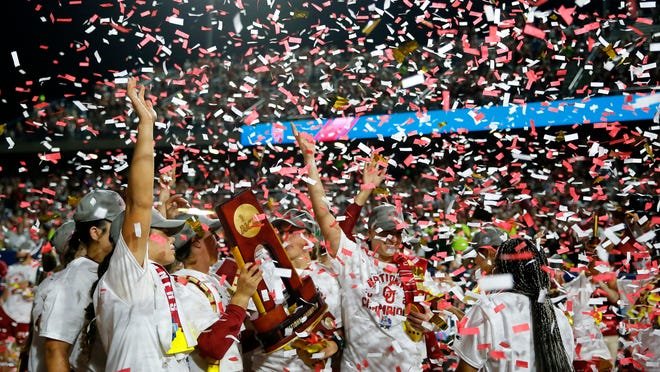
A typical softball game lasts around seven innings, which usually takes between one and a half to two hours to complete.
Ever wondered how much time you need to set aside for watching or playing? That’s a common question when planning your day, especially when softball is involved. People often ask, “how long is softball game?”.
The length of a game is not fixed; it varies slightly based on several factors. These factors include the pace of play, breaks, and the number of innings. However, it normally wraps up in a comfortable timeframe for everyone involved.

How Long is a Softball Game? A Detailed Look
Have you ever wondered how long a softball game lasts? It’s a common question for new players, parents, and even seasoned fans. Unlike some sports with set time limits, softball games have a different approach to timing. Instead of focusing on the clock, they focus on innings. Let’s dive deep into the world of softball and explore what affects the duration of a game.
The Core Concept: Innings, Not Time
The most important thing to understand is that softball games are primarily measured by the number of innings played. An inning is like a round in the game. Each team gets a turn to bat (offense) and a turn to play in the field (defense). The goal is to score more runs than the other team by the end of the game. Typically, a softball game is scheduled for seven innings. This applies to most levels of play, from high school and college to professional leagues.
However, the total amount of time a softball game takes can vary. There isn’t a stopwatch that stops at the end of each inning. Let’s investigate the many things that affect how long a softball game actually lasts.
Factors That Influence Game Length
Many factors can impact how long a softball game takes to complete. It’s more than just the seven innings. It includes the skill level of the players, how many runs are scored, and any breaks taken during the game. Let’s look at each of these:
Pace of Play
The speed of the game can greatly affect its length. A team that is very quick on the field, moving swiftly between batters, will naturally have a shorter game than a team that moves more slowly. Here are some things that contribute to the pace of play:
- Quick Pitching: A pitcher who throws quickly and consistently keeps the game moving.
- Fast Batting: Batters who step up to the plate quickly and get ready to swing keep the game flowing.
- Efficient Fielding: Fielders who quickly collect the ball and make throws will keep the time between plays to a minimum.
- Umpire Decisions: Quick and clear umpire decisions are important. Delays for prolonged discussions slow down the game.
Number of Runs Scored
When teams score lots of runs, the game tends to take longer. Here’s why:
- Longer at-bats: More runs often mean more hits, walks, and longer at-bats. This means each team spends more time batting.
- Base Running: When players get on base and advance, it can take more time as they run and slide.
- Pitching changes: In higher-scoring games, you might see more pitching changes, which adds to the overall game time.
Skill Level of Players
The skill level of the players can have a big effect on the game’s duration. Here’s how:
- Younger Players: Games with younger players often have more errors and walks. More walks cause longer at-bats. This can lead to longer innings.
- Higher Level Teams: Teams with advanced skills often move more quickly between plays. This can lead to a faster game. However, the hitting can be powerful and lead to lots of scoring, increasing the time.
Weather Conditions
Weather can sometimes delay games or affect the pace of play.
- Rain Delays: Rain can cause the game to stop until it’s safe to play again.
- Heat: Very hot weather might require more frequent breaks to allow players to hydrate and rest.
- Wind: Strong winds can affect the play of the ball, possibly leading to more errors or difficulty catching fly balls.
Time Limits and Mercy Rules
Sometimes, there are rules designed to ensure a game doesn’t go on forever. Here are a few:
- Time Limits: Some leagues, especially for younger players, might have a rule to end a game after a set amount of time. This ensures that games don’t run too long.
- Mercy Rules: These rules end the game early if one team gains a very big lead over the other. For example, if one team is ahead by 10 runs after 5 innings, the game might end. Mercy rules ensure the game does not become one-sided or overly long.
Typical Game Length by Level
While there are no strict time limits, we can talk about the typical length of games for different softball levels. Remember these are approximations, and the actual time can change:
Youth Softball (Under 10)
Games for younger kids often take a shorter time to complete. The average softball game for these age groups lasts somewhere between 1 hour to 1 hour and 30 minutes.
- The focus at this age level is on learning the basics.
- There may be shorter innings.
- Time limits are more common.
Youth Softball (10-14 years old)
As kids get older and more skilled, the games can get longer. The typical game length is about 1 hour and 30 minutes to 2 hours.
- Players have a better grasp of rules.
- Games tend to have fewer errors.
High School Softball
High school games are usually a bit longer. Most games will run around 1 hour 45 minutes to 2 hours 30 minutes. The game is officially seven innings long, unless tied, and can be affected by run rules, and the skill level of the teams.
- The skills of the players are more developed.
- The game is generally faster than at younger levels.
- There is usually more emphasis on strategy.
College Softball
College softball games can last longer, often between 2 and 3 hours. This is because the level of play is higher, and teams tend to score more runs.
- There are stronger pitchers, leading to intense at-bats.
- The games have high-level competition.
Professional Softball
Professional softball can vary in length, but generally, a game takes 2 to 3 hours. Like college, the high level of competition can lead to longer games.
- These are highly skilled and competitive athletes.
- Games can be impacted by high scores.
How to Estimate Game Time
While knowing the average times is good, it can be useful to estimate game times before heading out to the field. Here are some tips:
- Consider the Age Group: Remember younger players typically mean shorter games and older players usually mean longer games.
- Look at Past Game Scores: Check past scores for the same teams, if available. Very high-scoring games usually last longer.
- Account for Travel Time: Don’t forget to add travel time to and from the field when planning your day.
- Check for Special Rules: Check if the league has time limits or mercy rules, which could change the length of a game.
What Happens if a Game is Tied?
Sometimes, games can end up in a tie at the end of seven innings. When this happens, softball games enter into extra innings. These extra innings go one inning at a time, and the teams play to try to win. This extra playing time adds to the total length of the game. There are different rules for these extra innings at different levels, sometimes including a “tie-breaker” start, such as with a runner on second base.
The Role of Breaks in Game Duration
During the course of a softball game, the time doesn’t just consist of playing. Several breaks can contribute to the overall length of the game:
- Between Innings: Usually, there is a very short break between innings when the teams switch positions.
- Time-Outs: Coaches can request time-outs to talk with their players, which pauses the clock.
- Injuries: Any injuries that occur during the game can cause a short break.
A Quick Reference Table
To help you visualize typical game lengths, here’s a quick reference table:
| Level | Typical Game Length |
|---|---|
| Youth Softball (Under 10) | 1 hour – 1 hour 30 minutes |
| Youth Softball (10-14) | 1 hour 30 minutes – 2 hours |
| High School Softball | 1 hour 45 minutes – 2 hours 30 minutes |
| College Softball | 2 hours – 3 hours |
| Professional Softball | 2 hours – 3 hours |
Remember, these are just estimates. The actual game time can vary based on the things we discussed.
Understanding that softball games are based on innings, not time, is very important. Many things influence how long a game will last, from the number of runs scored to the weather. Having an idea of the usual game length can help you plan your day better.
The Rules of Softball – EXPLAINED!
Final Thoughts
Softball game duration varies, typically lasting around seven innings. However, factors like tied scores or weather can influence this. A standard game takes roughly 1.5 to 2 hours.
The pace of play and team efficiency impact the overall time. Games with frequent scoring or pitching changes tend to be longer. Therefore, knowing that “how long is softball game” is a question with no fixed answer.
Ultimately, a softball game’s length depends on several in-game occurrences. While seven innings are standard, be prepared for games to go longer.

