
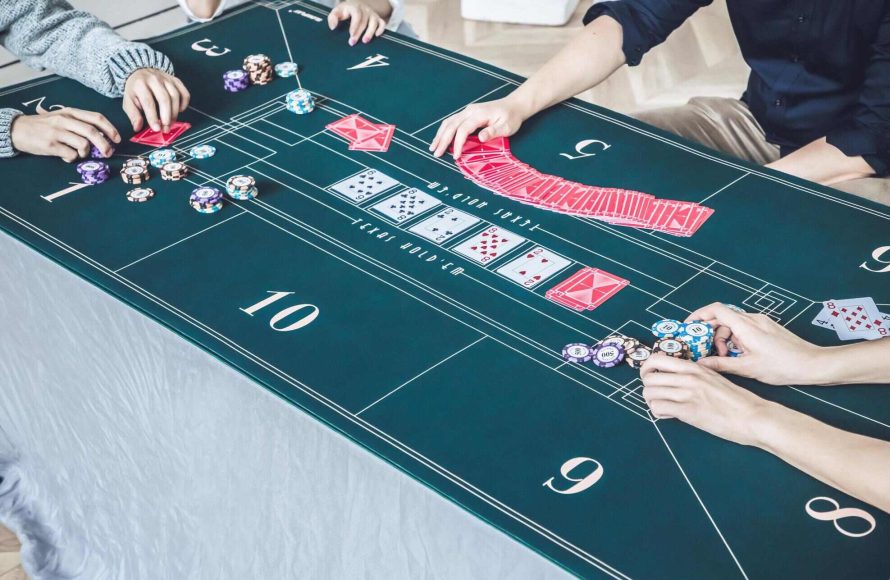
Setting up a poker game requires gathering poker chips, cards, and a table, then agreeing on the game rules and stakes.
Want to host a fun night with friends? Many people find that learning how to set up a poker game is a great way to bring people together. It might seem complicated, but with a little planning, it is surprisingly easy.
First, figure out which type of poker game you would like to play. Then gather the essentials, such as a deck of cards and some poker chips. Getting started with this basic information sets you up for success and fun.

How to Set Up a Poker Game
So you want to host a poker night? Awesome! It’s a great way to hang out with friends, have some laughs, and maybe even win a few bucks. Setting up a poker game might seem a little tricky at first, but it’s really not that hard once you know the steps. Let’s break it all down, step by step, so you can throw a poker party that everyone will be talking about. We’ll cover everything from choosing the right poker game to setting up the playing area and managing the money.
Choosing Your Poker Game
First things first, you need to decide what kind of poker you want to play. There are tons of different poker variations out there, but we’ll focus on a few popular ones that are great for beginners.
Texas Hold’em: The King of Poker
Texas Hold’em is probably the most famous poker game. It’s the game you see on TV, and it’s popular because it’s easy to learn but tough to master. Here’s how it works:
Each player gets two cards face down (these are your “hole cards”).
Five community cards are dealt face up in the middle of the table.
Players use their two hole cards and the five community cards to make the best five-card hand.
Betting rounds happen after each round of cards are dealt.
The player with the best hand at the end wins the pot.
Texas Hold’em is a great option for new poker players because the rules are pretty straightforward, and you can find many resources online to learn more.
Five-Card Draw: A Classic Choice
Five-Card Draw is another fantastic option, especially if you want a game with a bit of a simpler feel. This game was popular for generations before Texas Hold’em took the spotlight. The rules go like this:
Each player gets five cards face down.
There is a round of betting.
Players can choose to discard any number of their cards and receive the same number of new cards.
Another round of betting happens.
The best five-card hand wins the pot.
Five-Card Draw offers a different type of challenge than Hold’em, and some players might find it easier to get the hang of. It’s a solid option for a fun, casual game.
Other Popular Poker Variants
While Texas Hold’em and Five-Card Draw are good starting points, there are tons of other poker variations. Here are a few to consider if you get more comfortable:
Seven-Card Stud: Each player gets a mix of face-up and face-down cards and makes the best five-card hand.
Omaha: Similar to Texas Hold’em, but players get four hole cards instead of two.
Crazy Pineapple: Like Hold’em, but each player gets three hole cards, and discards one after the first round of betting.
For your first few poker nights, I recommend sticking to Texas Hold’em or Five-Card Draw because they are easy for most to understand and are pretty fun to play. Once everyone feels more confident, you can branch out and try some other fun poker games. Remember, choose the game that fits the experience level of your guests.
Setting Up Your Poker Playing Area
Now that you know which poker game you’re playing, it’s time to get your space ready. It’s essential to have a comfortable, well-lit, and inviting playing area.
Choosing the Right Table
You’ll need a table that can comfortably fit all your players. A round table works well, as does a rectangular one. Here are some things to consider when deciding what to use:
Size: Make sure the table is large enough so players aren’t bumping into each other, but not too large that you can’t reach the center of the table comfortably.
Surface: A flat, smooth surface is best for dealing cards and stacking chips. If you don’t have a poker table, you can use a kitchen table and put a cloth over it to make it feel more like a game.
Chairs: Make sure everyone has a comfortable chair. They might be sitting for a while, so make sure it is comfortable and supports their back.
Lighting and Ambiance
Good lighting and a comfortable setting can make a big difference for your game night.
Lighting: You’ll want good lighting so players can see their cards clearly. Try to avoid harsh overhead lights. A softer light will keep people relaxed.
Music: Some soft, background music can set a relaxed vibe. Avoid anything with vocals which could be too distracting.
Temperature: Keep the room at a comfortable temperature. You don’t want people sweating or shivering!
Snacks and Drinks: Have some snacks and drinks available for your players. Something simple is best, such as chips, pretzels and maybe some soda or water. You don’t want people to be too focused on being hungry or thirsty!
Gathering Your Supplies
You can’t play poker without some essential supplies. Make sure you have everything you need before your game starts!
Playing Cards: You’ll need at least one deck of playing cards, and it’s always a good idea to have a spare. Make sure they are good quality and not too worn.
Poker Chips: Poker chips are crucial for keeping track of bets. You can buy a set with different colors and values.
Dealer Button: A dealer button helps you keep track of who is dealing each round. This small button is passed to the left after each hand.
Optional Extras: A poker mat and chip tray can add a nice touch and make the game feel more professional.
Understanding Chip Values and Betting
When you’re playing with chips, it’s important to know how much each chip is worth and how betting works. Let’s break that down.
Chip Values
Poker chips come in different colors, and each color usually has a different value. Here’s a common breakdown:
White: $1
Red: $5
Blue: $10
Green: $25
Black: $100
You can adjust these values based on your game, but it’s helpful to have different colors to make it easier to keep track of bets. Make sure everyone knows what each chip is worth before you start playing.
Betting Basics
Betting can seem complicated, but it’s not too hard once you get the hang of it. Here are a few basics:
The Blind: In many games, players need to put in a certain amount of money before they even see their cards. This is called the “blind” and it ensures that there is money in the pot every hand.
Betting: You can choose to bet money into the pot, or match a bet. If you want to bet, you need to decide how much you want to put in.
Check: If nobody has bet yet, you can check and pass the action to the next player. If someone else bets, you will have to call, raise or fold if you want to continue to play.
Call: If someone else bets, and you want to stay in the hand, you “call” the bet, which means you match the bet that was just made.
Raise: If you call a bet, you may also increase it. This is called a raise.
Fold: If you think you have a bad hand, you can “fold.” This means you give up the hand and don’t put any more money in the pot.
Setting Betting Limits
It’s a good idea to have betting limits. This means you have a limit on how much someone can bet. Limits can keep things from getting too out of hand and they help new players. Here are some common limits:
No-Limit: Players can bet all of their chips at any time. This is typically used in Texas Hold’em, and the stakes can get high quickly.
Pot-Limit: The maximum a player can bet is the amount that is currently in the pot.
Fixed-Limit: Players can only bet or raise a set amount. This can keep things fair, and it’s easier for newer players.
It is good to choose a limit that makes everyone comfortable so that the game can be fun for everyone.
Dealing the Cards and Running the Game
Dealing cards is a crucial part of the game, and it’s important to do it properly. The person with the dealer button is the one who deals.
Dealing Procedure
How you deal cards depends on the game you choose:
Texas Hold’em: Deal two cards face down to each player. Then, deal three cards face up in the middle of the table (the flop). After a round of betting, deal a fourth face-up card (the turn), and another round of betting. After that comes the last card (the river), followed by the final round of betting.
Five-Card Draw: Deal five cards face down to each player. After the first round of betting, each player can choose how many of their cards they want to discard. Deal them new cards to replace the ones they discarded. Another round of betting happens before players show their hands.
Always ensure the cards are dealt face down to the players and face up to the center of the table when appropriate. It’s a good idea to be consistent in your dealing style.
Managing the Pot
The “pot” is the collection of all the bets in a single hand. It’s important to manage the pot so you know how much money is up for grabs. Here are a few tips:
Keep it in the Center: Keep the pot in the center of the table so everyone can see it.
Stack Chips Neatly: Stack chips in an orderly manner to keep track.
Don’t Touch Until the End: Don’t touch the pot until the hand is finished and the winner is determined.
Determining the Winner
The winner is the player who has the best hand, according to the hand rankings in poker.
Hand Rankings: Familiarize yourself with the poker hand rankings, such as Royal Flush, Straight Flush, Four of a Kind, Full House, etc. These ranking can vary slightly depending on what type of poker game you’re playing, but most hand rankings are consistent.
Showdown: At the end of the game, if there is more than one player still left, everyone who hasn’t folded shows their hands. The player with the best hand takes the pot.
Splitting the Pot: If multiple players have the exact same winning hand, the pot is split evenly between them.
Keeping It Fun and Fair
Poker is more fun when everyone feels comfortable and like they have a fair shot at winning. Here are some things you can do to ensure that happens.
Setting Ground Rules
It’s important to have some basic ground rules to make the game enjoyable for everyone.
Respect Other Players: Treat all players with respect and avoid making fun of or trying to make anyone feel bad.
No Cheating: Don’t cheat, and encourage your players to do the same.
Clear Communication: If anyone has any questions about the rules, encourage them to ask so everyone understands what’s going on.
Be Responsible: Don’t play if you feel like your actions might put yourself or anyone else at risk.
Encouraging Good Sportsmanship
Poker is just a game, and it’s important that everyone enjoys the time they spend with each other.
Positive Attitudes: Encourage everyone to have fun and stay positive.
Be Gracious: Be gracious in both winning and losing.
Have Fun: Remind everyone that the goal is to have a fun time with friends.
Setting up a poker game is really about good planning and making sure everyone feels comfortable and knows the rules. By following these steps, you can have an amazing game night with your friends and create some great memories. You are now equipped to make this game night the best it can possibly be. Now, it’s time to gather your friends, grab some chips, and start dealing the cards!
How to Play Poker for Beginners | PokerStars Learn
Final Thoughts
To quickly summarize, gather your chips, cards, and a table. Decide on a poker variant and its rules. Designate a dealer and ensure everyone understands the game’s flow.
Arrange seating, agree on stakes or limits, and make sure you have enough chairs. This covers the essential steps on how to set up a poker game. Having all these elements in place is a must for a successful night.

