
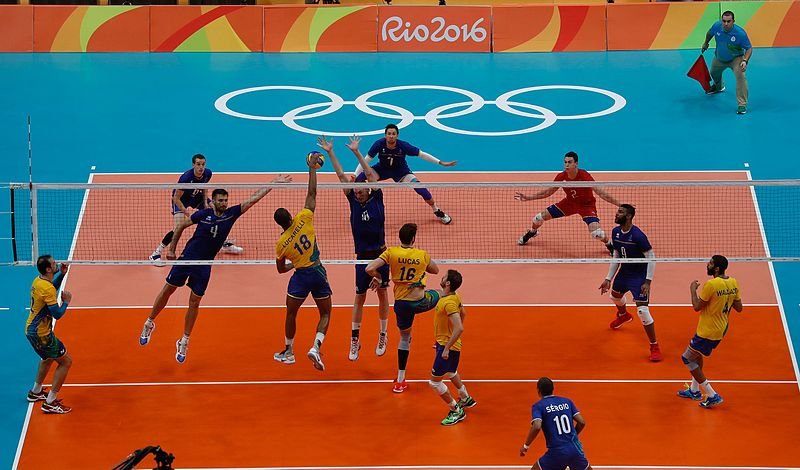
A set in volleyball does not have a fixed number of games; it is one game.
Volleyball matches are a captivating blend of strategy and athleticism, and one key aspect people often wonder about is how many games in a set volleyball. The term “set” itself sometimes causes confusion.
A single volleyball game is often referred to as a “set,” so it’s not about multiple games within a set. Instead of thinking about how many games within one, we think about how many sets are needed to win a match. Winning a volleyball match generally requires winning a certain number of these sets.

How Many Games in a Set Volleyball: Decoding the Match Structure
Okay, let’s dive into the exciting world of volleyball! You know, that game with the jumping, spiking, and amazing saves? One of the first things many new volleyball fans wonder is: how does a game actually work? Specifically, how many games are there in a set? Or is it sets in a match? It can be a little confusing at first, but don’t worry! We’re going to explain it all very clearly, so you’ll understand exactly what’s happening on the court. It’s all about understanding the structure of a volleyball match.
Understanding the Basics: Sets, Not Games
First things first, in volleyball, we don’t usually talk about “games.” Instead, we talk about “sets.” Think of a set as like a mini-game within the bigger match. So, instead of asking “how many games in a volleyball match”, the question we need to ask is, “how many sets in a volleyball match?” This distinction is key to understanding how a volleyball match is structured. Each set has a specific scoring goal, and it contributes to the overall outcome of the match.
Now, what determines a volleyball match? A match is decided by which team wins the majority of the sets, but that can change based on the level of play. In a volleyball match, generally, the team that wins most of the sets wins the entire match. We’ll explain this in more detail below. It is important to understand that the format of a volleyball match can vary and is adjusted based on the level of the teams playing.
Standard Match Format: Best of Five Sets
In most adult volleyball competitions, and especially at the professional or collegiate levels, the standard match format is a “best-of-five” sets format. This means that the first team to win three sets wins the entire match. It’s like a race where the first team to reach that magic number of three sets gets the final victory. Let’s break that down a bit further:
- The Goal: To win three sets. The first team that accomplishes this takes the match victory.
- The First Four Sets: The first four sets are always played, regardless of whether a team has already won three sets. For example, if a team wins the first three sets, they have already won the match, but if you want to see, they will still play the fourth set. The purpose is to give all the players a fair playing experience during a match.
- The Fifth Set: If the score is tied 2-2 after the first four sets, then a deciding fifth set is played. This final set determines the winner of the match.
The fifth set is often called a “tie-breaker” set. It adds a layer of intensity and excitement to the game, as everything comes down to this final period of play. So, if a match goes to five sets, you know it’s going to be a closely contested affair!
Scoring in Each Set
Another critical aspect to understand is the scoring system within each set. For the first four sets, each set is usually played until one team scores 25 points, with a minimum winning margin of two points. This means that if the score reaches 24-24, the set continues until one team gains a two-point lead (for example, 26-24 or 27-25). However, the last set is played to 15 points, with a margin of two points. This is a change in pace and an excitement builder for the watchers. Let’s take a look at this in a table for clarity:
| Set Number | Points to Win | Winning Margin |
|---|---|---|
| 1-4 | 25 | 2 Points |
| 5 (If Needed) | 15 | 2 Points |
Other Volleyball Match Formats
While the best-of-five format is the most common, there are some variations you might encounter. These formats are often used in younger age groups or at the recreational level. Here are a few of the alternate formats:
Best of Three Sets
This format is frequently used in youth volleyball, especially at the elementary and middle school levels. In a best-of-three match, the first team to win two sets wins the match. All the same rules for scores within the sets apply, but the game ends when a team wins their second set. This is often seen as an easier format of play for younger athletes, since playing best of five sets might cause more mental and physical fatigue.
Timed Sets
Another less common format, is playing timed sets. Instead of playing up to a specific score, teams play until time runs out. The team with the most points wins that specific set, and then the match proceeds as the standard best-of-five format, but with the timed sets in place of a points-based set.
Pool Play or Tournament Play
In tournaments, particularly for younger ages or when a large number of teams are participating, you might see more variations to accommodate the schedules. These matches may involve shortened sets, timed sets, or even modified point systems. A pool play would mean teams are divided into groups, and based on the result of the matches with in their group the top teams move on to the next round. For example, they might just play two sets against each other, and both would count towards the points in the groups, without regard to winning the match itself. These variations help keep tournaments running smoothly.
Why Different Formats?
You might be wondering, why all the different formats? Well, there are several reasons:
- Skill Level: Younger or less experienced players might need shorter match formats to prevent exhaustion and to keep the game engaging.
- Time Constraints: Tournaments often have tight schedules, so shorter formats allow more matches to be played within a given timeframe.
- Promoting the Sport: Different formats allow people to enjoy the game with less time commitments, and helps bring new fans to the volleyball.
- Varied Playing Experience: By offering different ways to play the game, teams are able to build experience for playing different match formats, which helps players to be flexible, and ready for a changing environment.
Key Differences Summarized
Let’s do a quick recap of the main differences between the best-of-five and best-of-three formats:
- Best-of-Five: Typically used in professional, collegiate, and adult competitions. First team to win 3 sets wins the match.
- Best-of-Three: Often used in youth and recreational volleyball. First team to win 2 sets wins the match.
The Importance of a Set Win
In volleyball, every set counts! Each set win is an important step towards winning the match. Even in a best-of-five match, a team cannot simply “lose” the first two sets and hope to recover. Every point, every rally, and every set win provides momentum that builds throughout the match. A good volleyball team strategizes each set, always going in with a clear mindset and planning to win.
Winning a set early in the match can provide the team with confidence and can put pressure on the other team. It can also force the opposing team to rethink their strategy. Each win will affect the team’s performance in a very impactful way. Understanding the importance of every set makes volleyball very exciting to watch and play!
How Many Games in a Set Volleyball: It’s All About Strategy
Even though we don’t use the word “game”, volleyball is truly a game of strategy, planning and physical prowess. As you can see, understanding the structure of how many sets are in a volleyball match is crucial for both players and fans. It shapes the flow of the game and dictates how teams approach each set. So, whether you’re playing on the court or cheering from the sidelines, knowing the format helps you fully appreciate the sport.
Next time you watch a volleyball match, you’ll now know exactly how the sets work together to determine the winner. You’ll be able to follow along with ease as you watch the game progress. From a best-of-five nail-biter to a fast-paced best-of-three, the structure adds to the appeal of each match. Happy watching!
volleyball scoring system | volleyball points explained | volleyball points system
Final Thoughts
Volleyball sets typically consist of a specific number of games. Knowing this helps follow the action better. Usually, the first team to reach 25 points, with a two-point advantage, wins a game.
However, a match requires winning multiple games. The best-of-five format is a common match structure, where the first team to win three games wins the match. The final game in a five-game match often goes to 15 points. Therefore, ‘how many games in a set volleyball’ depends on context; it’s one game in standard play.

