
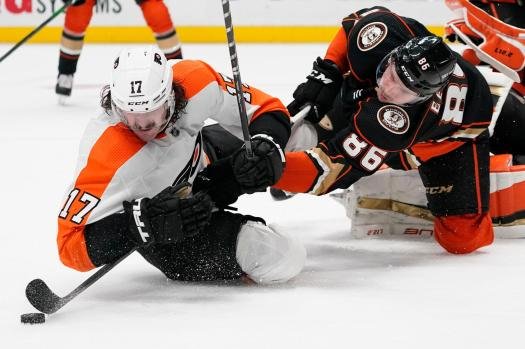
A standard hockey game typically lasts around 2.5 to 3 hours.
Ever wondered about the time commitment involved in catching a live hockey match? Many people ask, “how many hours is a hockey game?” Well, the duration isn’t always straightforward, as it can vary a bit.
The clock stops during stoppages, like penalties and intermissions, which contribute to a longer game time than the 60 minutes of actual gameplay. These stoppages add to the overall time spent at the rink. So, next time you plan a hockey outing, allow for those extra minutes.

How Many Hours is a Hockey Game?
How Many Hours is a Hockey Game?
Ever wondered how long you’ll be glued to your seat watching a hockey game? It’s a great question, and the answer isn’t always a simple one! While the clock on the scoreboard might show 60 minutes of playing time, the total time you spend at the arena or watching on TV is usually much longer. Let’s break down all the different parts that make up the total length of a hockey game.
The Core of the Game: Three Periods
The main part of a hockey game is divided into three periods. Each period is 20 minutes long. So, if you just add those up, 20 minutes x 3 periods = 60 minutes, or one hour of actual hockey playing time. That’s easy enough, right? But hold on, there’s much more to it than just the playing time!
Intermission Breaks: A Time to Refuel
After each period, the players and the fans get a break. These breaks are called intermissions, and they’re crucial! The players use this time to rest, rehydrate, and talk about the game with their coaches. The fans use this time to get snacks, stretch their legs, and maybe even visit the restrooms.
Typically, intermissions are 15 to 18 minutes long, depending on the league. These two intermissions add significant time to the total game length. So, we’re now at an hour of game play, plus around 30-36 minutes for intermissions.
Understanding Time Stoppages
Hockey isn’t like a continuous clock sport. The game clock stops frequently during the match. These stoppages add more time to the overall game length. Let’s look at some of the reasons why the clock stops:
Puck Out of Play
When the puck leaves the playing surface, whether it goes into the stands or over the glass, play stops and the clock freezes. A face-off will happen to put the puck back in play.
Penalties
When a player commits a penalty (like tripping or hooking), the game stops, and the penalized player has to go to the penalty box for a certain amount of time. This not only adds time to the game as the clock stops, but also the power play which is a hockey term also adds the time to the game length.
Goals
Whenever a goal is scored, there’s a short stoppage for the ref to make sure the goal is valid, and it adds some time.
Injuries
If a player gets hurt during the game, the clock is stopped so medical staff can check on the player. This can take some time, depending on the severity of the injury.
TV Timeouts
In professional hockey leagues, there are planned TV timeouts throughout the game for commercials. These stoppages can be a few minutes long, and they contribute to the total time of the game.
Icing
Another reason for a stoppage in the play is “icing”. This happens when a player shoots the puck from behind their own center line all the way to the opposing team’s goal line without it being touched by another player. Play is stopped, and a face-off happens in the defending zone.
Overtime and Shootouts
Sometimes, a hockey game ends with a tie after three periods. When this happens, the game goes into overtime! The rules for overtime can vary depending on the league.
Overtime in the NHL
In the National Hockey League (NHL), if the game is tied at the end of regulation, they play a 5 minute 3-on-3 sudden-death overtime period. This means the first team to score wins the game. If no one scores in the 5 minute overtime, the game goes to a shootout.
Overtime in Other Leagues
Different leagues, like in college hockey or in international games, have different rules for overtime. Some might have a longer overtime period, or they might have a regular 5-on-5 overtime.
Shootouts
If the game is still tied after overtime, it goes to a shootout. In a shootout, each team gets a certain amount of penalty shot attempts and the team that score more goals wins the game.
Factors That Influence Game Length
Several factors can influence how long a hockey game actually takes to finish, including:
- Number of Penalties: More penalties mean more stoppages, which lengthens the game.
- Number of Goals: Goals lead to short stoppages, which add to the total game length.
- Injuries: Severe injuries cause longer stoppages and can significantly impact game duration.
- Close Games: Close games can have more intensity, which might result in more penalties, stoppages, and even overtime.
- Number of TV Timeouts: The number of TV timeouts depends on the league or game broadcast and how many times they need to show commercials.
Typical Length: What to Expect
With all of this in mind, a typical hockey game usually lasts between 2.5 to 3 hours from start to finish. This estimate includes the actual playing time, intermissions, stoppages, and sometimes overtime or shootouts. So, if a game starts at 7:00 PM, you can usually expect it to finish between 9:30 and 10:00 PM.
Game Length by League: A Quick Guide
While the general structure of the game is the same, some differences exist between leagues that can impact the game length:
National Hockey League (NHL)
An NHL game typically lasts around 2.5 to 3 hours. This includes the three 20-minute periods, two 15-18 minute intermissions, and the time added by stoppages. Games that go into overtime and shootouts can be a bit longer.
American Hockey League (AHL)
AHL games are pretty similar in length to NHL games, also averaging 2.5 to 3 hours. They have the same structure of three 20-minute periods and two intermissions, with slight differences in the total time due to variations in stoppages.
College Hockey (NCAA)
NCAA college hockey games usually take a bit less time compared to NHL, typically averaging between 2.25 to 2.75 hours. The differences are mostly due to variations in TV timeouts and some minor rule differences.
Youth Hockey
Youth hockey games are often shorter. The playing periods are usually shorter compared to professional and college leagues, and the game might not have as many stoppages, depending on the level of play. A youth hockey game might only take 1.5 to 2 hours to complete.
International Hockey
Games in international tournaments like the World Championships and the Olympics generally follow the same structure as NHL games. But the game length may vary slightly due to different officiating. The game lengths usually average 2.5 to 3 hours.
A Detailed Look at a Game’s Timeline
Let’s take a closer look at how a typical hockey game unfolds time-wise. This will give you a good idea of what to expect:
- Pre-Game Warm-up: Teams take the ice for warm-ups usually around 30 minutes before game time. This is not included in the official game time.
- First Period: 20 minutes of playing time, usually takes around 25-35 minutes of actual clock time due to stoppages.
- First Intermission: 15-18 minutes.
- Second Period: 20 minutes of playing time, usually takes around 25-35 minutes of actual clock time due to stoppages.
- Second Intermission: 15-18 minutes.
- Third Period: 20 minutes of playing time, usually takes around 25-35 minutes of actual clock time due to stoppages.
- Overtime (If Needed): 5 minutes (NHL) or 20 minutes (other leagues), can take up to 10-25 minutes.
- Shootout (If Needed): Can add about 5-10 minutes to the game length.
How to Plan for a Hockey Game
Knowing that a hockey game usually takes about 2.5 to 3 hours is helpful for planning your evening. Here are some tips:
- Allow for Extra Time: When going to a game in person, plan to arrive at the arena early to get through security, find your seats, and enjoy the pre-game atmosphere.
- Snack and Meal Timing: Have a meal before or after the game, or plan for snacks during intermission. Concessions at the arena can be pricey, so plan according to your budget and needs.
- Plan for Travel: After a game, the traffic can be heavy as the fans head to their cars or public transportation. It’s always a good idea to add some time when planning to get back home.
- Stay Hydrated: Watching an exciting hockey game can be tiring, so remember to drink water, especially if you’re at the arena.
Why Understanding Game Length Matters
Understanding the time involved in watching a hockey game is useful for a number of reasons:
- Planning Your Schedule: Knowing the estimated game length helps you plan your day or evening more effectively, whether you’re heading to the arena or watching from your couch.
- Making Travel Arrangements: When going to a live game, this helps you estimate your travel time to and from the arena.
- Planning Your Meals and Breaks: Understanding the game’s timing allows you to plan your meals and snack breaks so you’re comfortable and can enjoy the entire game.
- Managing Your Time: If you have other commitments for the evening, a solid understanding of how long the game is likely to take will be really helpful.
So, while the clock on the scoreboard says 60 minutes, you should expect a typical hockey game to last between 2.5 to 3 hours. This includes all the intermissions, stoppages, and possible overtime. It’s good to keep these factors in mind when you’re planning to catch a game!
How long is a hockey game?
Final Thoughts
A standard hockey game takes approximately 2.5 to 3 hours to complete. This includes three 20-minute periods of play, along with intermissions. Overtime and penalties can extend the total duration.
The variation in actual time can come from stoppages in play. These delays during the match often impact the length. So, the question of ‘how many hours is a hockey game’ leads to an average answer.

