
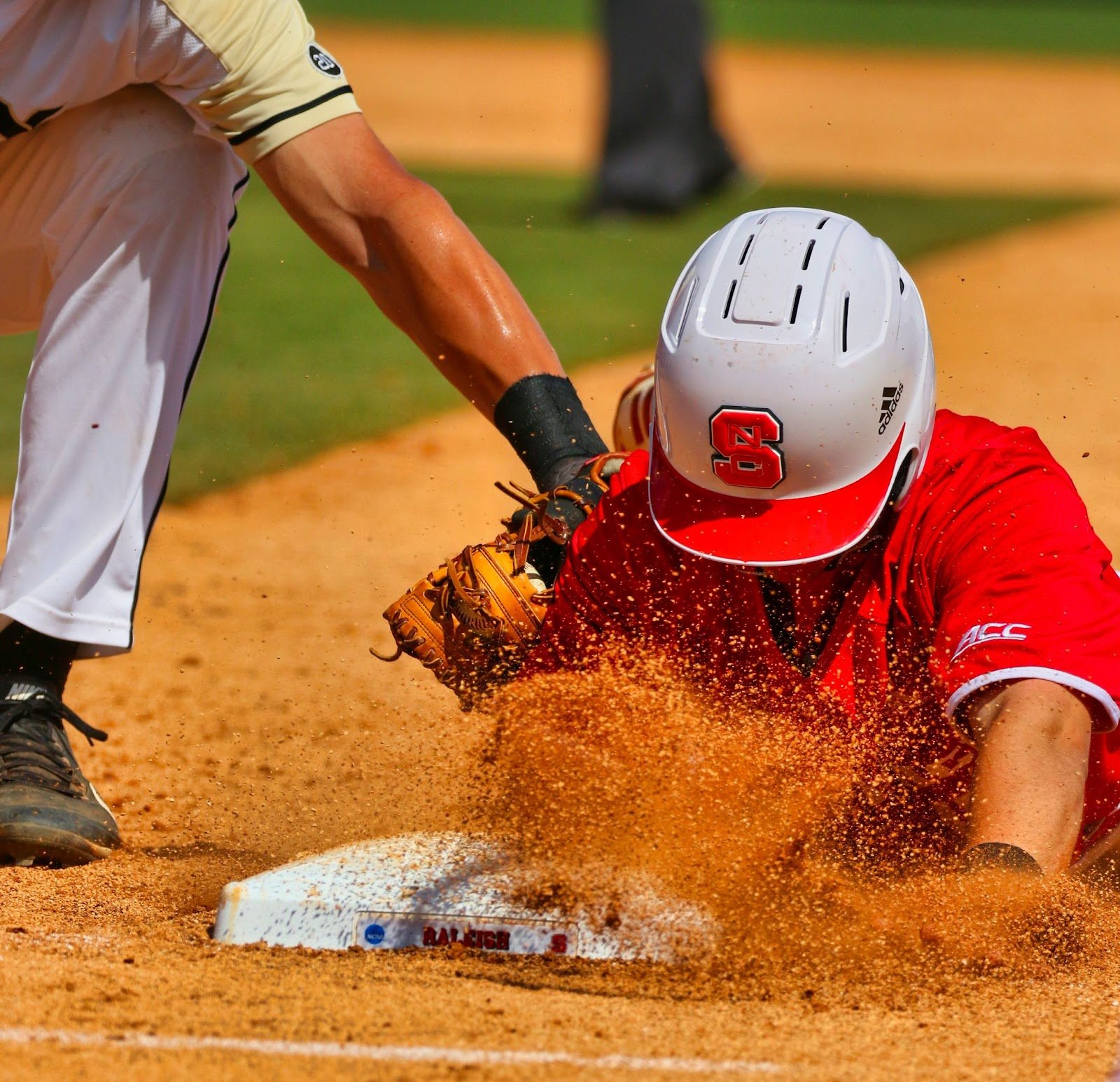
College baseball games typically consist of nine innings.
Ever wondered about the duration of a college baseball game? It’s a common question for new fans and even those familiar with the sport but perhaps unsure of the specifics. Figuring out exactly how many innings are college baseball games is key to understanding the game’s structure and overall pacing.
While other levels of baseball may have different lengths, college games stick to a standard number. This consistency is something that makes it easy to follow, whether you’re at the stadium or watching from home. Knowing this fundamental fact can enhance your enjoyment of the sport.

How Many Innings Are College Baseball Games?
So, you’re curious about college baseball, and one of the first things you might wonder is, “How long does a game last?” Well, you’ve come to the right place! Unlike some other sports, baseball has a set number of innings, and in college baseball, that number is usually nine. But, like most things in life, there are some interesting details and exceptions we need to explore. Let’s dive into the world of college baseball innings and learn all about it. Get ready to become an expert on the length of these exciting games!
The Standard Nine Innings
The most common answer to the question of “how many innings are college baseball games” is nine. Just like in Major League Baseball (MLB), college baseball games are typically scheduled for nine innings. This means each team gets nine chances at bat, trying to score runs, and of course, prevent the other team from doing the same. The game continues until all nine innings have been completed, unless, of course, there’s a tie. In case of a tie after nine innings, that’s where extra innings come into play.
Imagine it like a story with nine chapters. Each chapter gives both teams a chance to shine, to make great plays, and hopefully, score more runs than the other team. It’s the established structure that baseball fans everywhere know and love. Think of it as the default setting for a college baseball game. This nine-inning format is pretty consistent across most leagues and conferences within the NCAA (National Collegiate Athletic Association).
Understanding an Inning in Detail
Before we get into the variations, it’s important to understand what an “inning” actually means. An inning is divided into two halves: the top of the inning and the bottom of the inning. In the top of the inning, the visiting team bats, trying to score as many runs as possible before they get three outs. Once they reach three outs, the teams switch places. The home team then gets to bat in the bottom of the inning, trying to score their own runs. Once they also get three outs, the inning is finished, and you move on to the next inning. This sequence happens nine times in a standard college baseball game.
Each inning is like a mini-game within the larger game, creating a rhythm that builds suspense and makes baseball so captivating. The strategic dance between the pitcher and batter, the suspense of waiting for a big hit, and the tension of trying to prevent the other team from scoring – these are the elements that make each inning so crucial to the final outcome. Remember, three outs for each team complete one full inning.
Extra Innings and What Happens When There’s a Tie
Sometimes, after nine innings, the score might still be tied. What happens then? Well, college baseball doesn’t end in a tie, so they go into what are called “extra innings.” In extra innings, the game continues, with each team getting one more chance at bat in each inning, until one team finally takes the lead. Extra innings can be very exciting as both teams are trying to win, and they keep the pressure on until someone breaks the tie. There is no limit to how many extra innings they can play, so sometimes games can go very long!
These extra innings can really test the stamina and skills of the players. Pitchers especially need to dig deep to keep their teams in the game, and the batters have to be ready for the pressure. These extra innings are often the most memorable parts of any baseball game, filled with anticipation and sometimes unexpected twists and turns. It’s like adding more chapters to our story until one team comes out on top.
Factors Affecting Game Length Beyond Innings
While nine innings (or more with extra innings) defines the structure of a college baseball game, several things can influence the total time it takes to complete a game. Let’s take a look at some of these important factors.
The Pace of Play
One of the key elements in determining how long a game will be is the pace of play. This refers to how quickly the players move between pitches and at-bats. A game where the pitcher works quickly and the batters are ready in the box can lead to a faster-paced game, cutting down on the total time. On the other hand, games with a slower pace, with players taking a long time between pitches or trips to the mound, can make the game much longer.
The umpire also plays a role in the pace of play, by ensuring that the game moves at a reasonable speed and enforcing the rules of the game. Umpires will make a warning to slow players down to maintain a good pace for all. The pace of the game can differ from match to match, and it depends on the players and the umpire present in the game.
Number of Pitching Changes
Another thing that can really increase the game time is the number of pitching changes. When a team decides to take out their pitcher and bring in a new one, it stops the play. The new pitcher needs to warm up and get ready. These changes can add time, especially if there are many of them throughout the game. More pitching changes can definitely add time on the game clock.
These pitching changes can be very strategic. Coaches might choose to change pitchers to try to get a more favorable matchup, or if the current pitcher seems to be struggling. While strategic for the team, it does add some time to the game and also breaks the flow of the match. So, a game with frequent pitching changes can take considerably longer than one where the same pitcher stays in for many innings.
Big Scoring Innings
In addition to the previous factors, big scoring innings can also make a game run longer. When a team is having a really successful inning, and they keep hitting the ball well, they can score lots of runs. Each batter can spend a lot of time at bat, and this will use more time and can make that inning take a very long time. This is especially true if there are a lot of walks, hits, and errors in a particular inning.
Big scoring innings can be super exciting for the fans because they’re a sign of an offensive explosion. However, for teams that are waiting for their turn to hit, it can feel like those innings never end, and make the total game longer. These long, high-scoring innings can extend the overall game time, even if the rest of the innings are played at a fast pace.
Weather Delays
Unfortunately, the weather can also greatly affect the length of a college baseball game. Things like rain or lightning can cause delays. If it’s raining heavily, or if there is lightning nearby, the umpires will stop the game for the safety of the players. They usually wait until the weather clears before they start playing again. These delays can take a few minutes, or even hours depending on the weather conditions.
Sometimes a game might have to be stopped for the day if the weather is really bad, or if there is too much lightning around the field. Rescheduling can also make it harder to watch the end of a baseball game if it has to be continued on another day. Weather delays are one of the most unpredictable aspects of baseball, and they can turn a normal length game into a really long day at the ballpark.
Are There Exceptions to the Nine-Inning Rule?
While nine innings are the standard for college baseball, there are a few exceptions you might encounter. These exceptions aren’t super common, but they do happen and are good to know about.
Seven-Inning Doubleheaders
Sometimes, to make up for games that were cancelled, or to pack more games into a weekend series, colleges might schedule a doubleheader. A doubleheader means two games played on the same day. In these situations, the two games are often shortened to seven innings each. This allows teams to play both games without making it a super long day for the players.
These seven-inning games are not the norm, but they are a common way for teams to catch up on lost games. It can be exciting for the fans because they get to watch more baseball in one day, even if each game is a bit shorter. Just keep in mind that in these situations, the normal nine-inning length of the game changes.
Mercy Rule
In some college baseball conferences, or in some tournaments, there is something called the “mercy rule.” This rule is in place to end a game early if one team is winning by a large margin. While the exact point of how many runs must the team win by is slightly different among the different conferences, the general idea is the same. For example, a team may be declared as winner if they have an advantage of ten or more runs after seven innings or even earlier. The primary purpose of the mercy rule is to avoid having one team completely dominate the other. The mercy rule helps in saving time and prevent a team from completely demolishing the other one.
When the mercy rule is used, the game is over early, meaning the full nine innings are not played. This can sometimes be confusing for fans who are used to seeing the full length of the game. This rule is not as common in higher level college baseball, but it is used at many lower divisions, so it is good to know.
Tournament Variations
In baseball tournaments, particularly those at the beginning of a season, you may encounter some differences to the normal nine-inning rule. Sometimes a tournament will have rules that will specify a different number of innings or time limits. These modifications are usually designed to help with scheduling multiple games in a short time period. These adjustments are different from the main season. So it’s always good to check the specific rules of any tournament before attending.
Tournaments can be very exciting, with different teams competing against one another. However, they often come with unique rules to help speed up play and accommodate many teams. For example, some tournaments might have a 7 inning limit as well. The best way to know about these changes is to check the specific tournament information.
Why Nine Innings? The History Behind It
You may be wondering why baseball uses nine innings in the first place. The answer to that question dates back to the earliest days of baseball. As the sport developed, people started to test out different rules for gameplay, and the number of innings evolved. Eventually, nine innings became the standard way to play. One main reason is that it provided a good balance between strategy, endurance, and overall game length. It allows each team sufficient opportunity to come from behind or hold their lead. The concept of nine innings just became embedded in baseball history.
This historic use of nine innings is what makes baseball so unique. It is a game with a tradition that has been carried on for many generations. It makes it exciting because there are many changes that can happen in the course of nine innings, and the game is never over until the last out. These nine innings also make for a balanced game because both the teams get equal chances at scoring.
The Thrill of College Baseball
College baseball games are an amazing sporting experience to watch. Each game is a combination of talented athletes, strategy, and excitement. From the crack of the bat to the roar of the crowd, each game keeps you on the edge of your seat. Whether it’s a closely contested 9-inning battle, an extra-inning thriller, or a quick, shortened game due to a mercy rule or weather, each college game has something unique to offer.
The young athletes on the field play with great passion, trying to fulfill their dreams. The great atmosphere makes college baseball one of the most enjoyable sports out there. The nine-inning format allows for strategy, twists, and comebacks, and it’s a test for all who participate. Whether you are a die-hard baseball fan or new to the game, understanding the structure of college baseball gives you a new appreciation for it.
Understanding how many innings are in a college baseball game, is more than just about knowing the rules. It’s about appreciating the rhythm, history, and passion that make college baseball such a captivating sport. Remember that the standard format is nine innings, but some games might be different. Be prepared for extra innings, weather delays, or a shorter format game. By knowing all of these little things you will be in better shape to experience the fun and thrill of college baseball.
How Many Innings Are There in a College Baseball Game? – The Baseball Xpert
Final Thoughts
College baseball games always consist of nine innings. This standard length applies to all regular season and most postseason contests. Knowing this is crucial for fans and players alike.
Therefore, the answer to ‘how many innings are college baseball games’ is definitively nine. Understanding this fixed duration will help you appreciate game strategy. This consistent framework provides a familiar structure for all games.

