
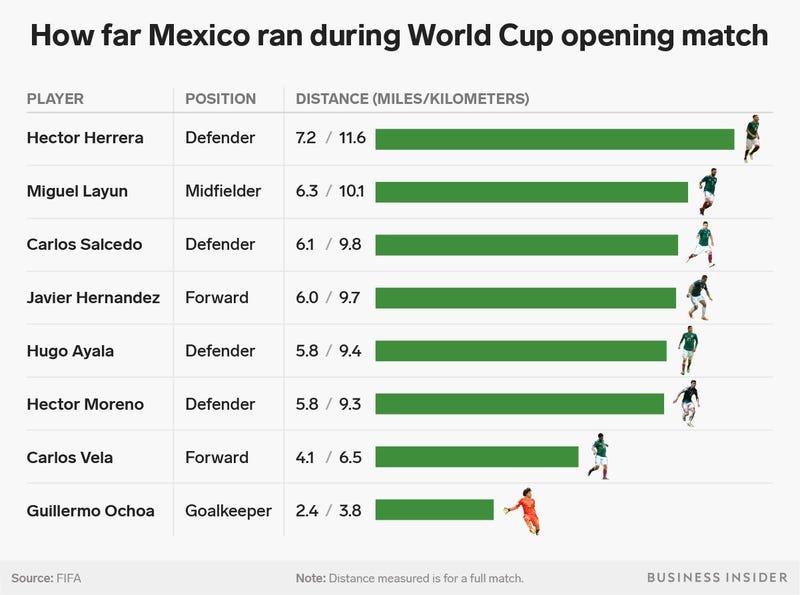
Soccer players typically run between 9 and 14 kilometers in a single game.
Have you ever wondered how much ground soccer players actually cover during a match? The constant running, sprinting, and changing of direction make it seem like they’re tireless. It’s a common question fans ask – how many km do soccer players run in a game? The answer is quite impressive when you delve into the details.
It’s not just a leisurely jog; players work hard throughout the entire 90 minutes. Distance covered depends on their position, team strategy, and the tempo of the game. Midfielders often clock the most kilometers, covering box-to-box.

How Many Km Do Soccer Players Run in a Game?
Have you ever watched a soccer game and wondered just how much running those players actually do? It’s a lot more than you might think! Soccer, or football as it’s known in many parts of the world, is a sport that demands incredible fitness. Players are constantly moving, sprinting, jogging, and walking throughout the match. So, let’s dive into the details of how many kilometers a soccer player typically covers during a game, and what factors influence this distance.
The Average Distance Covered
On average, a soccer player runs about 10 to 13 kilometers (approximately 6.2 to 8 miles) during a full 90-minute match. But, this is just an average. Some players will run more, and some will run less. Many things affect this, including the player’s position on the field, their playing style, and even the pace of the game.
Factors Influencing Running Distance
The amount of ground a soccer player covers isn’t set in stone. Many things contribute to how much they run. It’s a complex interplay of different elements. Let’s explore the most important ones:
Player Position
Perhaps the biggest factor influencing how much a soccer player runs is their position on the field. Different positions require different levels of activity.
- Midfielders: These players are known as the engines of the team, and they typically cover the most ground. They need to move box-to-box, helping out in both attack and defense. A central midfielder will often run 12 to 15 kilometers per game.
- Wingers: Wingers are also big runners. They need to run up and down the sidelines, attacking and also tracking back to help their defenders. They might cover 10 to 13 kilometers per game.
- Full-backs/Wing-backs: These defenders also run a lot, particularly the wing-backs. They support both attack and defense, running up and down the field, often covering 10 to 12 kilometers.
- Strikers/Forwards: These players typically focus on scoring goals. They do a lot of sprinting, and while they might not cover as much total distance as midfielders, they need to make a lot of quick bursts. They may run 9 to 12 kilometers.
- Center-backs: The central defenders have a more tactical job, defending the area and winning the ball back from the opposing team. They tend to do more walking and less high-intensity running than other roles, and may only cover 8 to 10 kilometers.
- Goalkeepers: Goalies cover the least distance, typically 4 to 7 kilometers. They stay closer to the goal and are not often involved in long sprints.
Playing Style
The way a team plays can greatly change how much players run. Some teams like to have the ball a lot, which involves a lot of quick passing and movement. Other teams might sit back more and try to counter-attack (quickly go on the attack after the other team loses the ball). The style of play affects the players’ running distances.
- High-pressing teams: Teams that play a high-press style require a lot of running. Players try to win the ball back high up the field, which involves many high-intensity runs.
- Possession-based teams: These teams often run a lot. When the team has the ball the players are moving to make themselves available for a pass.
- Counter-attacking teams: These teams might run less overall, but have moments of high-intensity running during counter-attacks.
Intensity of the Game
The pace and intensity of a match also impact how much the players run. A game with a lot of action, fast transitions, and constant attacks requires more intense running. On the other hand, a game where one team dominates possession, and the pace is slower, the amount of distance covered might be less.
Key factors influencing game intensity are:
- Number of attacks: More attacks mean more running, sprints and recoveries for the defending team.
- Transitions: If possession is changing frequently, players must run more to get into the right position.
- Importance of the Match: In big matches, like a World Cup final or a very important league game, players tend to run more due to the higher stakes and adrenaline.
Individual Player Fitness
A player’s physical fitness is another vital factor. Well-conditioned players can cover more ground during a game and maintain their speed throughout the match. Players with less endurance will probably run less.
- Training Regimen: Players with a rigorous training schedule tend to have better running endurance.
- Recovery Methods: Players who actively recover after intense sessions are often able to maintain a higher running performance throughout a game.
- Physical Characteristics: Some players are naturally faster or have more endurance than others.
Tactical Instructions
The coach’s tactics also impact player movement. A team that plays with lots of movement off the ball requires the players to run more. The coach may give a player a particular task which needs extra running during the game. A player may be told to track a particular opponent, and will need to run to do this.
Tracking Technology
Thanks to modern technology, it is easier to track how much a player runs during a game. Things like GPS trackers worn by the players and sophisticated camera systems capture the movement and distances of the players. This data is used by coaches and analysts to learn more about player performance, team strategies, and areas of improvement.
Here are the technologies which are used to track distances:
- GPS Trackers: These small devices are often worn inside a player’s jersey. They track distance, speed, and acceleration during the match.
- Camera Tracking Systems: Sophisticated camera systems positioned around the stadium capture player movement. This data is used to analyse many aspects of the game.
- Software Analytics: Data collected from GPS and camera systems is analysed by advanced software. This software provides coaches and analysts with insights on player distance, speed, and movement, allowing for an in-depth analysis.
High-Intensity Running vs. Total Distance
When talking about how much soccer players run, it’s important to consider the difference between total distance and high-intensity running. While total distance measures all running, high-intensity running focuses on how much time players spend sprinting or running at high speeds.
- High-intensity running: This is crucial because it represents the most demanding moments of a match, and can be the most important in match defining moments. This type of running can determine the outcome of a game.
- Total Distance: Total distance can also be important because it can determine how much the player is covering in all areas of the field. It also indicates the overall stamina of the player.
How Running Distance Affects Performance
The ability of a player to run for the full 90 minutes is extremely important. Players who run more, and run faster, tend to have more influence in the match. A player with better fitness can be more effective both offensively and defensively. The amount of running that players do can be directly connected to the success of a team.
- Endurance: The ability to maintain running for a full game, including extra time if necessary.
- Speed: The ability to sprint and accelerate, especially when needed on offense or defense.
- Recovery: The ability to quickly recover from intense runs, ready for the next sprint.
- Decision Making: Players who can maintain their stamina for the full game are more likely to make good decisions at the end of a match.
Training to Improve Running Distance
Soccer players don’t just naturally run these distances; they have to train for it. Coaches work hard on player fitness to make sure they can cover the necessary ground for their position. The aim is to get the players to run effectively and quickly. Training is important, not just for endurance, but also for the specific types of running needed in a game. They need to be able to sprint, jog, and make fast changes in direction. It’s a science!
Training for distance and stamina involves:
- Interval Training: High-intensity work mixed with recovery periods. This type of training simulates the demands of a real game.
- Endurance Runs: Regular runs at a slower pace to increase overall stamina.
- Agility Drills: Exercises that improve a player’s ability to change direction quickly.
- Strength Training: Building strength helps players run more efficiently and avoid injury.
Examples From Professional Games
Let’s look at some real examples of distances covered in professional soccer games. These numbers give us an insight into how much players can run in a high-level match. Note that these are just examples, and it will vary from match to match, and from player to player.
Premier League
In the Premier League, players like N’Golo Kante (who was known for his high work rate) covered an average of 12-13 kilometers per game during his prime years. The midfielders are often the players covering the most ground, and this is often also true of the Premier League.
La Liga
In Spain’s La Liga, a central midfielder can average 11-14 kilometers per match. These players will be running in attack, and also dropping back into defense. This kind of position requires great fitness.
Bundesliga
German Bundesliga players also show very high numbers. It is not uncommon for a box-to-box midfielder to run 12-15 kilometers per game. The fitness of these players is very impressive.
How These Distances Have Changed Over Time
The running distances covered by soccer players have changed over the years. The average running distance of players has increased due to improvements in training and tactical strategy. Nowadays, players are generally fitter, faster, and able to cover more ground during a game. As sports science and the understanding of training has increased, so has the fitness of players. With increased fitness has come increased running during matches.
- Improved Fitness: Modern training methods lead to players being fitter and faster than in previous eras.
- Tactical Demands: Modern tactics often require players to run more, especially in aggressive, high-pressing systems.
- Better Tracking: With improved tracking technology, we now have better data to measure the total distances covered.
The Importance of Distance in Modern Soccer
In today’s game, the distance a player runs is a crucial factor. It’s no longer just about skills on the ball. Players need to be able to cover the ground effectively in the match, and keep running for the whole game. The physical aspect of soccer is almost as important as the technical one. The ability to cover distance, sprint, and make repeated high-intensity runs is extremely important for success in modern soccer.
Key aspects are:
- Fitness Is Key: Being able to run a lot allows players to help the team in all phases of the game.
- Team Dynamic: A team with good runners is more likely to dominate the match.
- Evolution of Tactics: Modern soccer tactics require players to run more and in an organized way.
So, the next time you watch a soccer game, remember how much those players are actually running! It’s an amazing display of stamina, endurance, and dedication. From the speedy wingers covering the sidelines to the hard-working midfielders and the forwards who use their quick bursts, every player contributes to the overall distance covered in the match. The amount of running they do is a testament to their exceptional physical preparation. Soccer is not just a game of skill, it’s also a game of exceptional fitness.
How far do soccer players run during a match? | Ever Wonder? | NBC Sports
Final Thoughts
On average, soccer players run between 9 and 14 kilometers in a single game. The specific distance depends on playing position and the game’s intensity. Midfielders often cover the most ground, while forwards and defenders might run slightly less.
Factors such as the player’s fitness level and playing style greatly impact the total distance covered. Knowing how many km do soccer players run in a game provides a general idea, but individual numbers will vary.

