
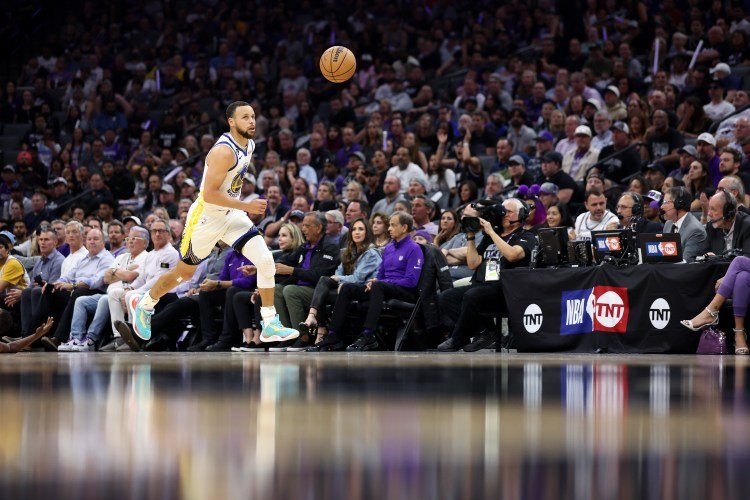
Steph Curry typically runs around 2.3 miles per game.
Ever wondered about the incredible stamina of basketball players? Specifically, how much ground do they cover during a single game? We often see Steph Curry effortlessly gliding around the court, sinking unbelievable three-pointers. It makes you think, exactly how many miles does Steph Curry run per game?
It’s not just about shooting; a huge part of Curry’s game involves constant movement, cutting, and positioning. This high level of activity makes tracking his mileage so fascinating. It reveals the sheer athleticism required at the highest level of basketball.

How Many Miles Does Steph Curry Run Per Game?
Ever watched Steph Curry zoom around the basketball court and wondered just how far he travels in a single game? It’s a question many basketball fans have! It’s not like he has a little odometer strapped to his ankle, but we can figure it out. It’s pretty impressive how much ground this guy covers while dribbling, shooting, and playing defense. So, let’s dive in and explore the fascinating world of Steph Curry’s on-court mileage. We’ll break down the different factors that play a role in how many miles he runs, talk about some cool technology used to track this, and even compare his distance to other athletes. Get ready to learn some awesome facts about Steph’s incredible athleticism!
The Factors Affecting Steph Curry’s Running Distance
It’s not as simple as saying “he runs exactly this many miles every game.” Several things change how much distance Steph covers during each game. Think of it like driving a car: you go a different distance depending on where you’re going and how you drive.
Game Pace and Style
The style of play of his team, the Golden State Warriors, plays a big part. When the game is fast-paced with lots of back-and-forth action, Steph runs more. If it’s a slower, more controlled game, he runs less. Imagine a fast-break frenzy versus a methodical, half-court set-up – totally different kinds of running!
- Fast-Paced Games: Lots of running up and down the court, more miles covered.
- Slower Games: More set plays, less distance running for everyone.
Playing Time
Obviously, the amount of time Steph spends on the court matters a lot. If he plays 40 minutes, he’s going to run much farther than if he only plays 30 minutes. If the game is a blowout (one team is winning by a lot) his coach might sit him down for the end of the game to rest him, this affects his total distance covered in the particular game.
Think of it like recess: the longer you’re outside, the more you run around. The more time Steph spends on the court, the more he’s moving.
Opponent’s Defensive Strategy
How the other team plays defense can change how much Steph runs. If the other team tries to stay very close to him, he’ll probably have to run around more to get open. If they give him space, he might not have to run as much.
- Tight Defense: Steph has to run more to create space.
- Loose Defense: Steph might not need to run as much.
Off-Ball Movement
Steph isn’t just running with the ball. He moves all the time, even when he doesn’t have it. He’s great at running around screens and getting open for a shot. This “off-ball” movement adds to his overall distance covered. He never stands still, always running and searching for the best opportunities for his team.
Tracking Technology: How We Know the Miles
Okay, so how do we even figure out how many miles Steph runs? It’s not like a coach is following him with a measuring wheel! The answer is technology. Modern sports use very cool devices to keep track of players’ movements.
GPS and Wearable Tech
Many players, including Steph, wear small devices during games and practice. These devices use GPS, the same technology that helps you with maps on your phone, to track every movement. They can tell how fast someone is moving, how far they’ve traveled, and even how high they’ve jumped.
- GPS Trackers: Worn by players, they measure movement accurately.
- Data Collection: The devices send data to computers for analysis.
Statistical Analysis
Once the data is collected, experts use special computer programs to analyze it. This helps them figure out the total distance a player has covered in a game. It’s like counting the steps on your activity tracker, but on a much bigger scale!
- Computer programs: Analyze data from GPS trackers.
- Total Distance: These programs figure out how much each player has run.
Average Distance: What’s Typical for Steph?
So, after all that tech talk, let’s get to the actual number. On average, Steph Curry typically runs somewhere between 2.3 and 2.8 miles per game. Think about that! That’s about the same distance as a long walk, all done in short sprints, jumps, and quick changes of direction on a basketball court. But, as we already talked about, this number can go up or down depending on the game.
Let’s put those numbers in some context. If you walked about one mile, and then did that walk a couple more times, that’s probably around the distance Steph Curry covers every time he plays a game. That’s a lot of running for one game. Now, imagine doing that for a full season.
Factors Affecting Variation
Keep in mind that the 2.3-2.8 miles is an average. In a game with a lot of transitions, fast breaks, and tight defense, Steph might run closer to 3 or even 3.5 miles. In a slower-paced game with fewer possessions, he might run closer to 2 miles.
The importance of context is key, this means that a high-scoring, fast paced, and close match can lead to increased distances covered by Curry, and the opposite is also true where blowouts lead to reduced time on the court and hence lower distance covered.
Comparing Steph’s Distance to Other Players
How does Steph’s running compare to other basketball players? It’s interesting to see where he fits in. It’s also helpful to understand a range of typical distances that are covered by other NBA stars.
Guards vs. Big Men
Generally, guards and smaller players tend to run more than big men or centers. Guards like Steph have to run around more to get open, set up plays, and play defense on the perimeter. Centers and big men play closer to the basket, which generally means they don’t need to cover as much distance during a game.
- Guards: Usually run more due to the nature of their roles.
- Centers: Typically run less because they operate closer to the basket.
Other NBA Players
While Steph runs a lot, there are other players in the NBA who cover similar distances, or even a bit more, depending on their role and playing style. Players who are known for fast breaks and transition offense will often cover a greater distance compared to others. It also depends on the team’s style of playing.
For example, players like Damian Lillard, also known for their off-ball movement and high-energy style, often cover distances close to Steph’s. On the other hand, players with a slower, more methodical style may run slightly less.
Why All This Running Matters
You might be thinking, “Okay, so he runs a few miles. Why is this important?” Well, all this running affects Steph in several ways. Let’s explore that!
Fitness and Stamina
All that running is great for keeping Steph in super shape. He needs incredible stamina to run for 30-40 minutes each game, multiple times a week, all season long. The running helps him stay fit, strong, and able to perform at his best every game. Without all this stamina he would not be able to be as successful as he is!
- Stamina: Required for running at a high level for extended periods of time.
- Fitness: All that running keeps him in excellent physical condition.
Creating Opportunities
His constant movement, both with and without the ball, helps him create opportunities for himself and his teammates. By running off screens, cutting to the basket, and moving all over the court, he opens up space and makes it harder for the other team to defend him.
- Spacing: Movement creates space on the court.
- Opportunities: Creates scoring chances for the team.
Overall Game Impact
All that running isn’t just about the numbers on the tracker; it’s about Steph’s total impact on the game. The stamina and conditioning he builds through covering so much distance enables him to make an impact on all fronts of the game both on the offensive and defensive side of the ball.
All this running makes him a much more effective player on both ends of the court, leading to more wins for his team.
The Intensity of the Running
It’s not just about the distance, but how he runs. Steph isn’t just jogging around the court, he’s sprinting, jumping, and changing direction rapidly. This makes his running even more impressive.
Sprinting vs. Jogging
He’s not running the entire time, it’s more of a mix of short sprints with brief periods of jogging. This is a very high-intensity style of running, which can be harder than a constant slow jog or run. This change of pace can make it very tiring for any human to keep that up for an extended amount of time, but that’s the fitness level Steph has built over many years.
Quick Changes of Direction
Another important thing about his movement is the change of direction. He changes directions very quickly and that adds a whole other element to his running. This style of running requires a great amount of strength, agility, and stability, which are all the things that Steph has.
Steph’s Offseason Training
How does Steph keep his fitness up and the stamina necessary to run this much each game? The answer is through dedicated off-season training!
Conditioning and Drills
During the off-season, Steph works hard on conditioning through running drills and other exercises. He performs agility training, speed workouts, and also strength training, which helps him to prepare for the coming season.
- Agility: Drills to improve quick movements.
- Conditioning: To make sure he is in peak condition to handle a long NBA season.
Focus on Recovery
He also focuses on recovery and keeping his body healthy. Recovery is a key part of training, so proper rest is essential to prevent injuries and to make sure that his body is ready to perform at his best. This part of his training is often undervalued, but it’s very important.
- Rest: Proper rest allows the body to recover.
- Nutrition: Proper diet helps fuel his body for maximum performance.
All of this hard work off the court is what enables Steph to run so much on the court.
So, the next time you watch Steph Curry play, remember that he’s doing more than just shooting amazing shots. He’s covering a lot of ground out there! All the running, jumping, and agility help him create space, get open, and ultimately help his team to win the game. The combination of natural talent, hard training, and smart play helps to make him one of the greatest basketball players to ever play the game. This running is just one part of the equation that makes Steph a truly special basketball player. It’s not just about the miles; it’s about how he uses them to impact the game.
Steph Curry Doesn't Run Miles for Cardio. He Does This. #shorts
Final Thoughts
Steph Curry’s incredible stamina lets him cover significant ground during each game. He weaves through defenses, sprints for fast breaks, and hustles back on defense. His off-ball movement is a key part of his success, contributing to the total distance covered.
The average distance varies slightly, but statistics suggest that Steph Curry runs approximately 2.3 miles per game. Considering the speed and intensity, it’s a very impressive feat. Therefore, knowing how many miles does steph curry run per game clarifies his exceptional athleticism.

