
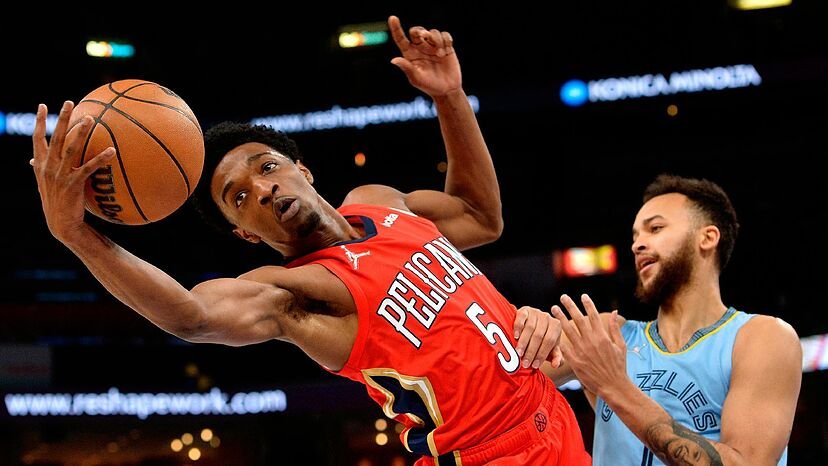
An NBA basketball game consists of 48 minutes of playing time.
Ever wondered how much time those high-flying dunks and clutch shots occupy? We often get caught up in the excitement of the game, and the time simply flies by. But specifically, how many minutes in an NBA basketball game are actually played?
This is a common question for fans, new and old. A standard match is divided into four quarters. Each quarter lasts for twelve minutes of action.

How Many Minutes in an NBA Basketball Game?
Okay, let’s dive right in! When you settle in to watch a thrilling NBA game, you might wonder, just how long will this be? The quick answer is that a standard NBA game lasts for 48 minutes of playing time. But there’s a lot more to it than just that simple number. Let’s explore all the details that make up the total time you spend watching a basketball game.
The Basic Breakdown: 4 Quarters of Action
The 48 minutes of play in an NBA game aren’t just one long stretch. Instead, they’re divided into four equal parts called quarters. Each of these quarters is 12 minutes long. Think of it like a school day where you have four class periods. So, the 48 minutes is made up of:
- Quarter 1: 12 minutes
- Quarter 2: 12 minutes
- Quarter 3: 12 minutes
- Quarter 4: 12 minutes
This structure helps keep the game organized and provides natural breaks for the players.
Beyond the Playing Clock: The Intermissions
It’s important to understand that 48 minutes is just the time the clock is running with the ball in play. There are breaks between each quarter, known as intermissions, that also contribute to the overall game time. These intermissions are not the same length, adding to the variation of a game’s duration.
Short Breaks Between Quarters
After each of the first three quarters, there’s a short break. This gives the players a chance to rest, coaches can talk strategy, and everyone gets a breather. These breaks are not particularly long. They usually last around 130 seconds which equals two minutes and 10 seconds . This short period of time allows players to regroup and get ready for the next quarter of play.
Halftime: The Big Break
Halftime is the big intermission. It happens after the second quarter and before the third quarter starts. This is the longest break of the game and is often used for things like analysis of the first half, special entertainment like performances by dance groups or bands, and players get more in-depth coaching and recovery. The length of halftime is normally 15 minutes, allowing significant time for players to rest and re-strategize.
Timeouts: When the Clock Stops
Timeouts are another significant factor in how long an NBA game lasts. These are short breaks called by either a coach or, in some situations, a player on the court to stop the game’s flow. They’re used for many reasons: to talk about a play, to give players rest when they are tired, or to make a tactical decision when things are not going well.
Types of Timeouts
Each team gets a certain number of timeouts during a game. There are different types, including:
- Full Timeouts: These are the standard timeouts, and they’re usually around 75 seconds each.
- 20-Second Timeouts: These are shorter timeouts, lasting 20 seconds, and are often used for quick strategic changes.
The number and usage of these timeouts can vary, adding to the unpredictable nature of a game’s overall length.
Timeout Strategy
Coaches carefully manage their timeouts. They might save some for the crucial final minutes or use them to stop a run by the other team. The timing and use of timeouts is a key element of coaching strategy and can have an impact on the game’s overall duration. The use of timeouts can add several minutes to the total time of a game.
The Unpredictable Factor: Overtime
Sometimes, even after four quarters, the score is still tied. This means the game goes into overtime. Overtime is a period of extra playing time given when the score remains level at the end of regulation play. This can add to the total amount of time you spend watching the game, and it also brings added excitement!
How Overtime Works
If a game is tied at the end of the fourth quarter, a 5-minute overtime period begins. It follows the same rules as a normal quarter. If, at the end of this overtime, the score is still tied, another overtime period begins. The game continues with 5-minute overtimes until one team has a higher score at the end of an overtime period.
There are no maximum number of overtimes a game can have so theoretically, a game could last a long time when overtime is involved. These added overtime periods significantly affect the total length of a game, sometimes extending it by many more minutes than just the usual 48 minutes.
Fouls and Free Throws: More Time Considerations
Fouls, which occur when a player commits an infraction, and the free throws that result can also lengthen the game. Fouls can stop the game and require a pause to administer the penalty, particularly in the final two minutes of a quarter, and they become very significant. These small pauses add up over the course of a game and contribute to the amount of time spent watching.
How Free Throws Add Time
When a player is fouled while shooting, they receive free throws. These free throws stop the clock and the ball must be dead while the free throws are taken. This takes a certain amount of time and even if one free throw is taken, the clock starts when the ball goes into play. The number of free throws a player takes will vary the total length of time the clock is stopped. The frequency of fouls and free throws can significantly increase the total game duration.
Clock Stoppages and Other Delays
Besides timeouts and free throws, there are other situations that can cause the game clock to stop. These things can further increase the time you spend watching a game. Some examples include:
- Ball out of bounds: When the ball goes out of bounds, the clock stops.
- Injuries: If a player gets injured, the game stops so they can receive medical attention.
- Video reviews: Referees sometimes need to review a play on video replay. This review takes time and stops the game.
While these clock stoppages are often short, the constant accumulation of them can add to a game’s overall length. It’s part of the excitement and unpredictability of a basketball game that you can never know exactly how long it will last.
Total Time: Not Just 48 Minutes
So, while the actual playing time in an NBA game is 48 minutes, the overall time you spend watching it is usually much longer. The breaks between quarters, halftime, timeouts, overtimes (if applicable), fouls, and other delays all contribute. It’s usual for an NBA game to last between two hours and two and a half hours. However, a game that goes into overtime can take even longer. Here’s a rough estimate:
- Playing Time: 48 minutes
- Intermissions: Around 20 minutes
- Timeouts: Varies, usually 10-20 minutes total
- Other stoppages/delays: variable and dependent on the specific game
- Overtime (if any): Additional 5 minute periods
This means you should expect to spend more than just the 48 minutes of playing time watching a game. This is why it’s important to set aside more than 48 minutes for your favorite NBA games, as the total time can vary based on a number of elements.
How Game Pace and Style Affect Game Length
The style of play also impacts the length of a game. A fast-paced game with a lot of fast breaks and shots will have more stoppages to score points, increasing total time. Conversely, a slower, more controlled game can make the clock run down faster between stoppages and thus could theoretically be shorter overall, if there are fewer fouls or turnovers. Therefore, the specific nature of play of each team is a big factor for how long a game will last.
Teams that play at a slower tempo, that focus on plays and strategy, will generally have games that last a little less than teams that have a run and gun style. The amount of stoppages or fouls can also have a large impact on game length.
NBA Game Length vs. Other Leagues
It’s interesting to note how NBA game length compares to other basketball leagues. For example, in college basketball, games are typically shorter, with two 20-minute halves, which is 40 minutes of play time and games are expected to be shorter in time. In high school, you often find even shorter game lengths. In FIBA games, the international standard, a game has four 10-minute quarters, so it only has 40 minutes of playing time. All of these leagues have different rules regarding time and stoppages of play that make them vary in overall total game length.
The NBA’s 48-minute regulation game is part of what makes it unique. Along with the different strategies in regards to timeouts, it provides a specific set of constraints for the game, and has a significant impact on the strategic nature of how NBA basketball is played.
While the core of an NBA game is 48 minutes, there are a variety of other factors that increase the amount of time you spend watching. From the intermissions and timeouts to the potential for overtime, and the variable nature of stoppages, a game can last longer than the actual playing time. When you sit down to watch an NBA game, be ready to spend more than just 48 minutes enjoying the action!
CLIPPERS at TIMBERWOLVES | FULL GAME HIGHLIGHTS | January 6, 2025
Final Thoughts
An NBA basketball game consists of four 12-minute quarters. This totals 48 minutes of play time. Extra periods happen if there’s a tie at the end of regulation, adding five minutes each.
Therefore, a regulation game is 48 minutes long. However, “how many minutes in an nba basketball game” can change with overtime. The game continues in these extra five-minute periods until a winner emerges.

