
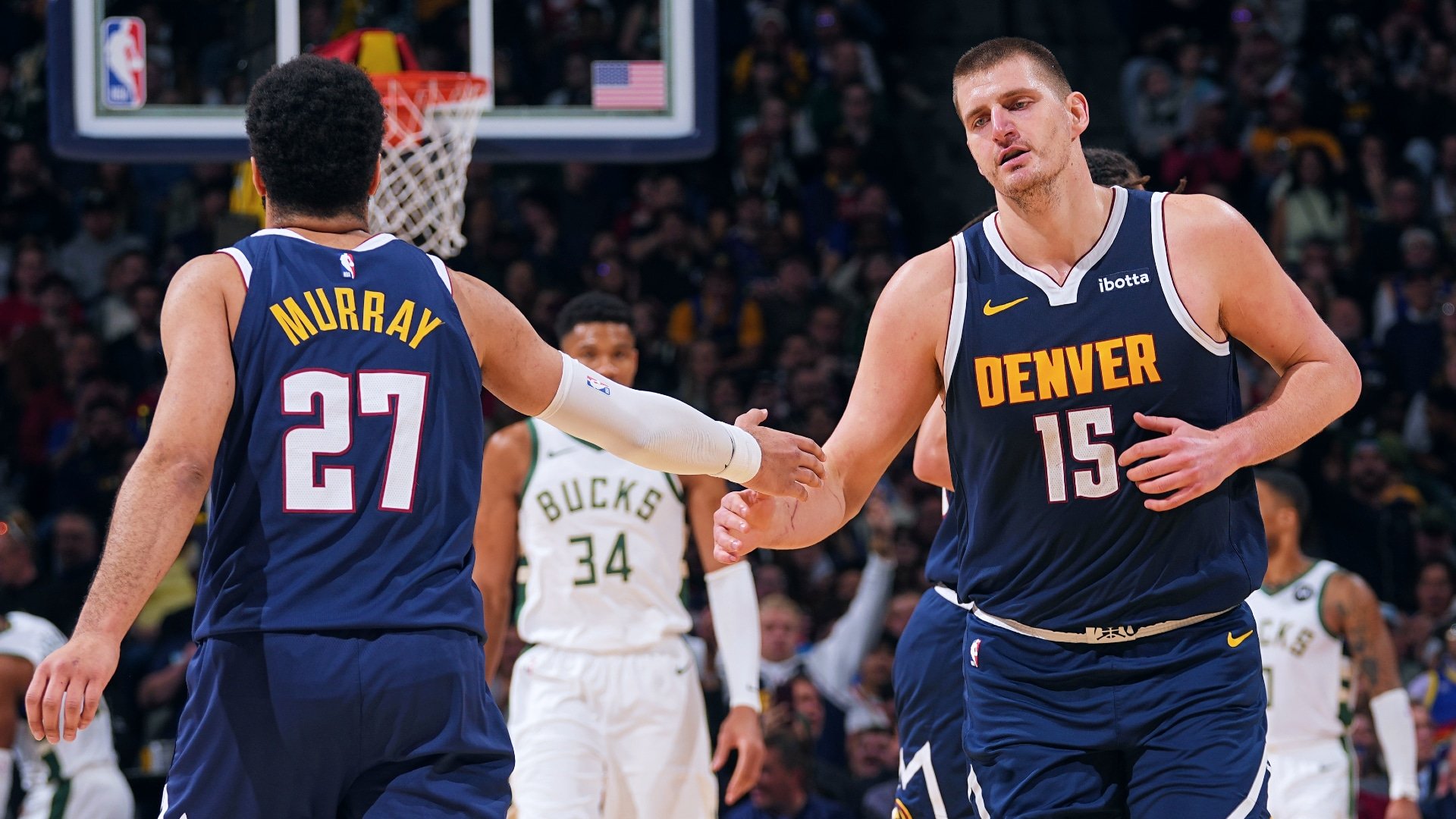
Each NBA team plays approximately 29 games after the All-Star break.
The NBA season’s rhythm shifts after the All-Star festivities, leaving fans wondering how many NBA games after all star break remain. The regular season’s final stretch is a sprint to the playoffs. This is when every game matters much more. Teams battle for playoff spots and seeding.
The post-break schedule sees teams playing intensely. They’re trying to improve their standings and prepare for the postseason pressure. The excitement builds as the playoffs approach. The remaining games are full of important matchups.

How Many NBA Games After the All-Star Break?
The NBA All-Star break is a super exciting time for basketball fans. It’s a chance to see the best players in the league compete together and also a short pause in the regular season. Once the break ends, it’s back to the grind with a bunch of games left to play! So, how many games are actually left after the All-Star festivities? It’s not always the same number, but let’s dig into the details to understand how it all works.
Understanding the NBA Regular Season
Before we get to the post-All-Star game count, it’s important to understand how the entire NBA regular season is structured. The whole season, from start to finish, features 82 games for each team. These games are spread out over several months, usually beginning in October and ending in April. The schedule is designed to give teams a mix of home and away games, playing against all the teams in their conference multiple times, and also against teams from the opposite conference. The All-Star break is strategically placed almost right in the middle of the season.
How the Schedule is Created
The NBA schedule is a real puzzle to put together! The league tries to make sure no team has to travel too much or play too many games on back-to-back nights, also known as back-to-backs. They also want to make sure fans can see their favorite teams play on TV, and that venues are available. The schedule is made up of:
- Games within the same division (like the Atlantic division or the Pacific division).
- Games against all teams within the same conference (East vs East or West vs West).
- Games against teams in the other conference (East vs West)
The number of times you play a team in your division is always more than how many times you play a team from the opposite conference. Usually, you’ll face your division rivals four times a season, conference teams three to four times, and out-of-conference teams just twice each year.
The All-Star Break: A Mid-Season Pause
The NBA All-Star weekend is usually held in February. It’s a break in the middle of the season that allows players to rest, fans to enjoy fun competitions, and the league to celebrate the best in the game. After the All-Star game concludes, the second half of the season begins. This “second half” is the section that we’re interested in when thinking about games remaining.
Why is the All-Star Break Important?
The break isn’t just for fun; it serves a practical purpose. It gives players much-needed time to recover from injuries, refresh themselves both mentally and physically, and prepare for the final push towards the playoffs. Teams can also use this time to regroup, address any issues they’ve had, and strategize for the rest of the season. It is essentially a reset before the playoff race begins.
Calculating Games After the All-Star Break
Here’s the main question answered: How many games are usually left after the All-Star break? Since each team plays 82 games, and the All-Star break falls roughly halfway through, there are typically around 28 to 30 games remaining for each team. This number isn’t exact; it can vary slightly from season to season, mostly depending on the specific schedule each year. The All-Star break usually happens after somewhere between 52 to 54 games played by each team, that’s why the games remaining usually fall in this 28 to 30 range.
Factors That Influence the Number of Remaining Games
While 28-30 is the general range, a few things can change this number a little:
- The Timing of the All-Star Break: The exact timing of the All-Star game can shift slightly from season to season. A slightly earlier break might mean a few extra games after the break and a later one might mean fewer.
- The Specific Schedule: Each team’s schedule is unique. Some may have played a slightly larger or smaller number of games than others before the All-Star weekend. This difference causes the remaining games for teams to vary.
- Rescheduled Games: Occasionally, games are postponed due to unforeseen events (like snowstorms or health issues). These games are usually rescheduled for later in the season, sometimes even after the All-Star break, which may shift the number of games.
The Importance of the Post All-Star Break Games
The games played after the All-Star break are important. With about a third of the season left, every game matters a lot. This is when the real race for playoff positions begins to heat up. Teams that are in contention for the playoffs often give it everything they have during this stretch. There’s more focus on each individual game and how it affects the team’s spot in the standings. Here’s why these games are crucial:
Securing Playoff Spots
Teams at the top of the conference fight to maintain their seeding, while teams near the playoff line are battling hard to secure a spot. Every game in this portion of the season can be the difference between going to the playoffs and missing the cut. Players are more focused and give extra effort to win these matches.
Home-Court Advantage
Playoff seeding is important for all the teams. Earning a higher seed gives teams home-court advantage in the playoffs. This means playing more games in front of your home crowd which can provide a significant advantage. Securing home court usually translates to having better opportunities to win games.
Developing Momentum
A good run of games before the playoffs can be important for a team’s confidence. Wins create positive energy and a good run in the regular season can often be helpful in the playoffs. Building good momentum can make a difference in the postseason as well.
Strategic Play Post All-Star Break
Coaches adjust their strategies as the regular season winds down. Teams may reduce playing time for veteran players to help them stay healthy for the playoffs while at the same time they give young and developing players more opportunities to showcase their skills. Here’s how teams adjust post-break:
Managing Player Minutes
Coaches carefully manage player minutes, making sure key players don’t get overworked. They will try to give playing time to more players to ensure everyone is fresh and ready for the playoffs. It’s about finding the best way to keep your team healthy but also prepared.
Adjusting Team Strategy
Teams adjust their strategies to maximize their chances of winning. This could mean focusing on improving their offense, sharpening their defense, or adjusting rotations. They’re trying to find what works best for them in their march to the playoffs.
Trade Deadline Impact
The trade deadline occurs before the All-Star break. Teams may have acquired new players before the deadline so they are still in the process of integrating into new team setups which is crucial in this last stretch of games. A lot of effort goes into getting these new players comfortable with the team’s systems and how they play.
A Look at Typical Schedule Example
To give you a clearer picture of how the post-All-Star break schedule typically looks, let’s imagine an example. Consider that before the All-Star break, a team has played 53 games. That means there are 29 games remaining. Typically this would look like a combination of games against teams in their own conference, in their division and in the other conference. Let’s think through a few things such a schedule might involve:
- Games against Division Rivals: The schedule would likely include a couple of games against each team within their division.
- Conference Matchups: The team would face the rest of the teams in their conference, playing them either one or two times each based on the scheduling for that specific season.
- Cross-Conference Contests: The team would also finish their regular-season games against teams from the other conference. This means that they will usually face a team in the other conference once or twice each season
- Back-to-Backs: As the season ends, there are usually a few back to back games where a team plays on back-to-back days.
Tracking Games Remaining
There are a number of ways to keep up with how many games your favorite team has left after the All-Star break. Here are some popular methods:
- Official NBA Website: The official NBA website is a great resource to track standings and full schedules. You can find each team’s schedule, past results, and remaining games. It’s always kept up-to-date, so you can rely on this for current information.
- Sports Apps: Many sports apps, such as ESPN, The Score, or Bleacher Report, offer real-time schedules and updates. These apps often send push notifications for game start and scores, making it easy to follow your team.
- Team Websites: You can also find game schedules on individual team websites. They typically have a dedicated section for schedules and will often post important updates about games.
So, while the exact number of games after the NBA All-Star break varies a bit, it’s typically around 28-30. These games are very crucial for every team. They shape who makes it to the playoffs and who starts the next season early. Watching the teams fight for a spot is one of the exciting parts of the whole NBA season.
He really bought every NBA Championship ring. 🤯😮 #shorts
Final Thoughts
Typically, NBA teams play around 25-30 games after the All-Star break. This final stretch determines playoff seeding. The intensity usually picks up.
The exact number can slightly vary based on the specific season’s schedule. Understanding how many nba games after all star break is crucial for predicting team performance. Each game holds significant weight.

