
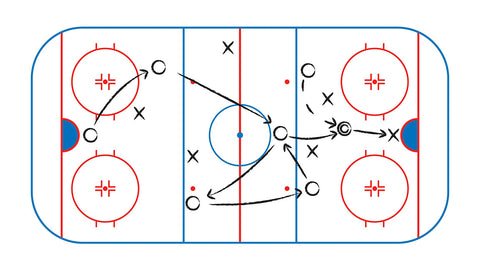
There are three periods in a standard hockey game.
Ever wondered about the structure of a hockey match? It’s a fast-paced sport with specific divisions of play. Knowing how many periods are in hockey game is fundamental to understanding the flow of the action.
Each of these periods brings its own intensity. Teams strategize between periods to adjust their game plan. This makes understanding the format crucial for both new and seasoned fans.

How Many Periods Are in a Hockey Game?
Alright, let’s dive deep into the exciting world of hockey and explore the core structure of a game: the periods! If you’re new to the sport or just need a refresher, you might be wondering, “How many periods are in a hockey game?” The simple answer is three. But there’s so much more to understand about these periods than just their count. They’re the building blocks of the game, and each one plays a crucial role in the action and the outcome. Let’s explore what makes up a hockey game’s structure.
The Standard Three-Period Format
The most common format for a hockey game, from professional leagues to amateur play, is the three-period structure. Think of it like a three-act play. Each period is a set amount of time with its own intensity and strategies. This allows for different phases of play within one single game, providing ups and downs that make hockey so captivating.
Length of Each Period
A typical period in professional hockey, like in the NHL (National Hockey League), lasts for 20 minutes of actual playing time. However, there is a catch! The clock stops whenever there’s a stoppage in play. What does that mean? When a player commits a penalty, the puck goes out of bounds, or a goal is scored, the clock stops. This extends the real duration of a single period beyond 20 minutes. For amateur or youth hockey levels, period length can be shorter, often ranging from 15 to 18 minutes. We will talk about this more further in this blog.
Here’s a breakdown:
- Professional Hockey (e.g., NHL): 20 minutes per period
- Amateur/Youth Hockey: Typically 15-18 minutes per period (This varies based on league rules)
Intermissions
After each period, there’s a break, known as an intermission. This intermission is the pause between play where the players rest, regroup, and coaches tweak strategies. Intermissions also allow the ice to be resurfaced by a Zamboni, ensuring a smooth and consistent playing surface. The standard intermission length in professional leagues is 15-17 minutes long, but it can vary for other levels of play.
The intermission is also a big part of the game experience. Fans can get refreshments, discuss what just happened on the ice, and prepare for the next period. It’s a valuable time for both the players and spectators.
What Happens During a Period?
Each period is filled with action and intensity. Here is what you can expect during these 20-minute (or less) spans:
- Fast-Paced Play: Players skate hard, battle for the puck, and try to score.
- Shots on Goal: Goalies face a constant barrage of pucks coming their way.
- Penalties: If a player breaks the rules, they may receive a penalty, leading to a power play for the opposing team.
- Strategic Shifts: Coaches make changes in lines of players to keep them fresh and to try to counter the other team’s tactics.
- Momentum Swings: One team may take control of the period, then the other may turn the tide – this gives the game its ebb and flow.
Why Three Periods?
The three-period format isn’t just an arbitrary choice. It’s been developed over time to provide a well-structured, dynamic, and exciting game. Here’s a closer look at some reasons why:
- Pacing: Three periods offer a natural progression in the game. The first period allows teams to test the waters and find their stride. The second period often sees the game open up, with increased intensity and more goal-scoring opportunities. The third period is where teams usually make their final push for a win or try to hold onto a lead.
- Player Stamina: Hockey is a demanding sport, and the periods and intermissions are structured to give players adequate rest. This helps to maintain their performance and reduces the risk of injuries.
- Strategic Adjustments: Coaches have the chance to make significant strategic changes between periods. This allows them to counter the opponent’s strengths, and it adds another layer of excitement to the game.
- Fan Engagement: The intermission breaks provide a great opportunity for fans to regroup, talk about the game, and keep their energy levels high. The breaks provide time for the venue to do promotions, entertain fans, and prepare for the next part of the game.
Variations in Period Length
While the standard three 20-minute periods are the rule for most professional leagues, things can vary in other levels of play. Here are some common variations:
Youth Hockey
Youth hockey games, especially at the younger levels, typically have shorter periods. This is done to accommodate the developing physical condition and focus of young players. Periods may be 15, 12 or even less than 10 minutes long. Additionally, the intermissions might be shorter than in professional hockey, too. This is to manage the time spent in the rink, especially when many teams might be using the ice on the same day.
Also, they might have shortened periods or running time in games due to certain reasons or if there is any delay in the game and they might adjust the time in the periods or shorten the intermission time also, this is done to finish the game in a particular time.
High School Hockey
High school hockey games often have periods lasting 15 to 17 minutes. The intermission lengths may also be a little shorter than in professional games. These are designed to manage players’ time, travel schedules, and other logistics common in school sports. This slightly shorter time still gives players and teams enough time to play a complete game.
International Hockey
International competitions, like the IIHF World Championships and the Olympics, also follow the 20-minute period structure with 15-17 minute intermissions between periods. The game is generally played according to the standard rules and regulations of international ice hockey.
Tournament Play
In some tournaments, the length of the period can also be different, depending on the level of the game and the guidelines of the event. You might see a mix of 15, 18, or 20 minute periods. In tournament play, the games are often played at a faster pace than usual, because teams play often many days in a row, so keeping the games in a set period of time becomes necessary for managing the tournament.
Overtime in Hockey
What happens if the score is tied after the three periods are over? That’s where overtime comes in. The format for overtime can vary depending on the league and situation.
Regular Season Overtime
In the NHL regular season, when the score is tied after three periods, a five-minute overtime period is played with three skaters per team plus a goalie. If no goal is scored in this overtime period, a shootout decides the winner. In other hockey leagues and competitions, the overtime might have more time duration, such as 10 or 20 minutes. In many leagues, it will be sudden death, which means the game will end as soon as a team scores a goal.
Playoff Overtime
During the playoffs, however, overtime has a different format. In the NHL playoffs, teams play a full 20-minute sudden-death overtime period. They play until one team scores a goal. This can lead to some extremely intense and long games! This is one of the most exciting aspects of playoffs, and it is not uncommon to see double or triple overtime games. Some playoff games can even have the overtime extend until the early hours of the morning.
Here’s a summary table for overtime rules:
| Situation | Overtime Format |
|---|---|
| NHL Regular Season | 5 minutes, 3-on-3, followed by a shootout |
| NHL Playoffs | 20-minute sudden-death periods, until a goal is scored |
| Other Leagues/Tournaments | Vary, may include 5, 10, or 20 minute overtime, some with sudden-death |
The Importance of Clock Management
Understanding how the clock works in hockey is very important to appreciate how teams strategize. With the clock stopping when the play is stopped, it allows teams to strategize when to take a timeout or when to pull the goalie in the last couple of minutes to add an extra attacker.
- Late-Game Scenarios: Teams with a lead will focus on defending and preventing the other team from scoring. Teams trailing may focus on creating as many scoring chances as possible. These scenarios require smart clock management.
- Power Plays: Power plays, where one team has more players because of a penalty, are opportunities to score. The team with the power play takes advantage of the extra player while the penalized team tries to defend as hard as possible.
- Timeouts: Coaches can use timeouts to stop the momentum of the other team, give the team rest, or strategize for a final play.
In Conclusion
Understanding that a hockey game has three periods is just the starting point. There is a lot of variation in hockey game lengths, whether it is from youth level to professional level or if it is a regular season game or a playoff game, hockey is a dynamic and captivating sport. The periods, intermissions, and overtime rules all play a key role in making the game exciting for the players and fans. So the next time you tune into a hockey game, remember there is a lot of thought, preparation, and strategy within those three periods.
How Many Periods In Ice Hockey? (Explained)
Final Thoughts
A standard hockey game features three periods. Each period lasts 20 minutes of actual playing time, with intermissions in between. These intermissions allow for players to rest and strategize.
So, to definitively answer “how many periods are in hockey game,” the answer is three. This is consistent across professional leagues and amateur levels of play.

