
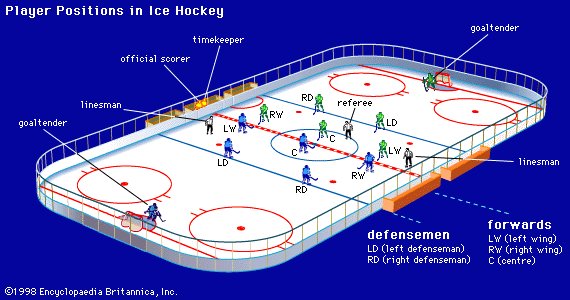
There are six players from each team on the ice during a standard hockey game.
Ever wondered about the fast-paced action of hockey and just how many people are participating? It’s a question many newcomers to the sport often have. You might be curious, just how many players are in a hockey game at any given time? Let’s clear that up right away.
A hockey game consists of six skaters from each team actively playing. This includes the goalie and five other players who move up and down the ice. These skaters work in tandem to score goals.

How Many Players Are in a Hockey Game?
Have you ever watched a hockey game and wondered exactly how many players are on the ice? It might seem like a lot of skaters zooming around, but there’s a specific number for each team. It’s not just a free-for-all! Understanding how many players are on the ice for each team, plus a few important extra roles on the bench, is essential to fully appreciating the flow and strategy of hockey. Let’s dive into the details of team size in this exciting sport.
The Standard Lineup: Six Players on the Ice
In standard hockey play, each team has six players on the ice at any given time. This is the most common configuration you’ll see during the game, and it forms the basic structure for how the game is played. It’s a carefully balanced set-up that allows for both offense and defense.
The Six Players: Positions Explained
These six skaters aren’t just randomly assigned. They have specific roles that they need to fill on the ice:
- Goalie: This player is the last line of defense, trying to stop the puck from entering the net. They wear specialized equipment, including a mask, chest protector, and leg pads.
- Defensemen (Two): These players are primarily responsible for protecting their team’s zone and preventing the other team from scoring. They are usually positioned near their own blue line. They also play a role in helping their team start its offensive plays.
- Forwards (Three): These players are primarily responsible for scoring goals. They play closer to the other team’s net. Forwards are divided into centers, left wings, and right wings, each having slightly different responsibilities within their team’s offensive plan.
Beyond the Six: The Bench and Roster
While only six players from each team are on the ice at one time, a complete hockey team has many more players. These extra players sit on the bench, ready to jump into the game when their teammates need a break or if a strategy change is needed. Let’s look into those players and what they do.
The Bench: Waiting for Their Turn
The bench is a vital part of the game. These players are not just watching; they’re preparing to play. Teams will rotate their players throughout the game in shifts. Shifts are short bursts of intense action, with each player getting a chance to make a difference.
Typically, a team has a total of about 20-23 players, and that is called a team’s roster. In a single game, usually, around 18 skaters (forwards and defensemen) and 2 goalies will dress. This allows coaches to rotate players effectively and keep players fresh.
Specific Roles on the Bench
The players on the bench aren’t just backups. They often fill vital roles. Here’s a look at some of the important bench positions:
- Additional Forwards: Teams have more forwards than the three that play at any one time. These backups can jump into the game at a moment’s notice.
- Additional Defensemen: Similar to forwards, teams also have additional defensemen who sit on the bench, ready to help out when needed.
- Backup Goalie: Teams always have a second goalie ready in case something happens to the starting goalie.
Special Situations: Changing the Numbers on the Ice
Sometimes, the normal flow of six players per team changes. Hockey has different rules that can affect how many players are on the ice.
Penalties: Playing Shorthanded
When a player commits a penalty, like tripping or slashing, they might have to sit in the penalty box for a certain amount of time. This means their team will play with fewer players on the ice, a situation called playing shorthanded. The team has to play with 5 players, instead of the usual 6, and this makes it harder for the team, as it reduces their ability to defend the puck and to make goals.
The team with the man-advantage is on the power play, which is a good opportunity for them to try and score. If the same team gets another penalty, then the situation might become 5 on 3, giving the other team a big advantage.
Pulling the Goalie: An Offensive Gamble
In certain situations, especially late in the game when a team needs a goal, a coach may choose to pull their goalie. This is when they replace the goalie with an extra skater. Doing this adds more offensive power and increases the chance of scoring. But this move also makes it much more dangerous, as the net is empty and an opponent could easily score into that net. The team only does this as a last resort as they are playing aggressively for a goal.
How Player Changes Happen: “On the Fly”
In hockey, players don’t always wait for a stoppage in play to change. In many instances, players will change during the game, while the game is still in play. This is called “on-the-fly” changing.
The Importance of Quick Changes
On-the-fly changes are important because it allows the game to keep going without lots of stops. This keeps the game exciting and fast. This also allows the team to keep fresh players in the game, increasing the team’s performance.
Coaches Managing the Flow
Coaches need to manage the game and their players carefully. They need to look at player’s energy levels and strategies to know when to make player changes. This quick player changing also provides exciting moments, as it often involves players jumping on and off the ice in rapid succession.
Variations in Team Size
While professional and adult hockey teams typically use the six-player setup, there are slight differences in other levels of play. It’s important to be aware of how team sizes might vary in different situations.
Youth Hockey: Developing Players
In youth hockey, especially at younger age levels, coaches and leagues may sometimes allow a different number of players on the ice. They may want to have more players on the ice at once, giving them more opportunities to develop.
Other League Rules
Different hockey leagues may have different rules about the total number of players on a team or the number of players allowed on the ice. It’s always important to check the specific rules for the league.
Key Takeaways about Player Numbers
To summarize, let’s look at the key points about how many players are in a hockey game:
- In typical play, there are six players from each team on the ice at any given time.
- Those six players consist of one goalie, two defensemen, and three forwards.
- Teams have around 20-23 players on their roster, most of whom sit on the bench, waiting to enter the game.
- Penalties can reduce the number of players on the ice for a team, creating power-play opportunities.
- Coaches can also pull their goalies for an extra attacker, especially late in the game to try and score.
- Players often make changes “on the fly” during the game.
- In youth hockey or special leagues, player numbers might vary from these standard rules.
Understanding the number of players on the ice and the roles they play is very important to fully enjoying this wonderful game of hockey. From the goalie’s last line of defense to the forward’s hunt for goals, every player contributes to the game’s excitement. And there are many players waiting on the bench to jump into the game when needed. This creates a dynamic and constantly changing flow of action, that makes each game unique.
#realzone #4amanm #fact How many players in hockey? 🏑
Final Thoughts
A standard hockey team has twenty players. However, only six players from each team are on the ice at any given time during play. These consist of five skaters and one goalie.
Penalties can temporarily reduce the number of skaters a team has on the ice. Power plays occur when a team has a numerical advantage. Knowing how many players are in a hockey game is fundamental to understanding its strategy.

