
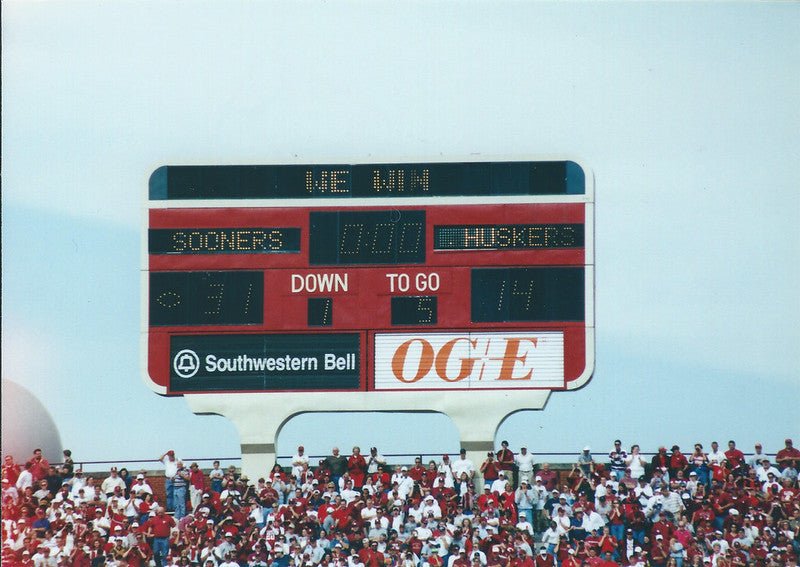
There are four quarters in a standard American football game.
Have you ever wondered how long a football game actually lasts? Or maybe you’re new to the sport and are trying to understand the structure. One of the first things people often ask is “how many quarter in football game?”
The game is divided into four equal periods of playing time. Each quarter is 15 minutes long in professional football, but can be shorter in other levels like high school. Knowing this helps you follow the flow of the game and appreciate its intensity.

How Many Quarters in a Football Game?
Okay, let’s talk about football! You see those players running around, throwing the ball, and tackling each other, right? Well, all that action happens in sections, kind of like chapters in a book. We call these sections “quarters.” So, how many quarters are in a regular football game? The answer is simple: there are four quarters in a standard football game. Let’s dig into what that means and how they work!
The Four Quarters of Play
Just like a pizza cut into slices, a football game is split into four equal parts, or quarters. Each quarter is a specific amount of playing time. Understanding how these quarters work is key to understanding the whole game. It’s like knowing the acts in a play – each contributes to the overall story. So, let’s break down each one:
How Long is a Quarter?
In professional football, such as in the NFL, each quarter is 15 minutes long. This means a standard NFL game has 60 minutes of playing time, not including the breaks or time added for penalties. However, things can change a bit with other types of football. For example:
- High School Football: Usually, high school quarters are 12 minutes long, which makes a total of 48 minutes of playing time in the game.
- College Football: College games also use 15-minute quarters, just like in the NFL.
- Youth Football: The length of quarters in youth football can vary significantly. It’s often less than the 12 or 15 minutes seen in higher levels of play. This shorter length allows for more focus on skill development and ensures the safety of younger players.
So, even though there are four quarters in each game, the exact time of those quarters depends on the level of play. This is important to keep in mind when watching different games!
Breaks Between Quarters
The game isn’t just 60 minutes (or 48, or however long) of straight action. There are breaks that allow the players to rest and the coaches to talk strategy. Here’s a breakdown of how the breaks work:
The First Break: End of First Quarter
After the first quarter ends, there’s a short break. This is typically a brief pause of 1-2 minutes. It lets the teams switch sides of the field and allows players to catch their breath, and the coaches may also provide a quick pep talk.
The Long Break: Halftime
The biggest break comes in the middle of the game, after the second quarter. This is called halftime, and it’s a much longer break of 12-20 minutes in professional and college football. During halftime, the teams go to their locker rooms to rest and discuss how the game is going. We also see entertainment such as marching bands. Halftime is an exciting event for the audience, not just the players. It provides a breather and changes the mood.
In youth and high school football, halftime is often shorter, lasting just 10-15 minutes.
The Second Break: End of Third Quarter
Following the third quarter, there’s another short 1-2 minute break. Much like the break after the first quarter, this time is mainly used for teams to switch sides and make minor adjustments, and prepare for final quarter.
Why Four Quarters?
You might be wondering, why not five or three? Well, the four-quarter system is what has become the traditional layout for American football. There are a few reasons why this might work best:
- Strategy and Adjustments: The four-quarter setup allows for multiple strategic shifts throughout the game. Coaches can make changes to their plays after every quarter, responding to what is working (or not working).
- Fairness and Equal Opportunity: Switching sides of the field after each quarter ensures both teams get to play in the same environmental conditions (like sun or wind). This provides more equitable gameplay.
- Physical Demands: Football is a physically intense sport. Dividing the game into quarters allows for much-needed breaks, reducing player fatigue and the risk of injuries. It helps players maintain their maximum effort without completely exhausting themselves.
- Spectator Engagement: The breaks, especially halftime, create opportunities for entertainment. This makes the entire experience more engaging for the fans. These planned breaks give fans time to rest and refuel, too.
What Happens if there is a Tie at the end of Four Quarters?
Sometimes, at the end of the four quarters, the score is tied. This is a nail-biting moment for everyone! The rules for handling this situation change according to the level of football.
Overtime in the NFL
In the NFL, if the score is tied after four quarters, they go to what’s called “overtime.” The teams play an extra period of 10 minutes, the first team to score a touchdown wins the game. However, if neither team scores a touchdown but the first team scores a field goal, they win the game. But, if the first team scores a field goal, and the other team scores a field goal during the overtime period, then the game continues further, until one team wins. And if both the teams play the full 10 mins period of overtime without scoring any point, then the game ends in tie.
Important Note: It’s worth knowing that, from 2022, if both teams have possession in overtime and the score is still tied after 10 mins of overtime, then the game will end in a tie. This rule change aimed at making the game fairer.
Overtime in College Football
College football has a different overtime system. Here, each team gets a chance to score from a specific yard line (usually the 25 yard line). They continue playing these overtime rounds until someone wins. If both the teams score during the first round, second round happens, until one of the team wins. There is no time restriction on the overtime.
Overtime in High School and Youth Football
Overtime rules can vary a lot in high school and youth football. It’s important to check the specific rules for each league or organization, as it can change from place to place. In some cases, it might involve a similar “ball possession” method, or even end up with a tie.
Understanding Game Time vs. Real Time
It’s crucial to remember that game time is different from real time. A 15-minute quarter doesn’t mean the quarter will only take 15 minutes to play in real time. Several factors influence how long a quarter actually lasts:
- Timeouts: Teams can call timeouts, and these pauses stop the game clock, stretching the actual playing time.
- Incomplete Passes: When a pass isn’t caught, the game clock stops.
- Plays that end out of bounds: The clock stops when a player runs out of bounds.
- Penalties: If a penalty is called, the clock is usually stopped.
- Injuries: The clock stops if a player is injured on the field.
Because of these interruptions, a football game can easily last for 2 to 3 hours, sometimes even longer. This means that the “60 minutes” of playing time is spread out over much longer period. The clock is constantly stopping and starting, which is a very important part of the football game strategy.
Beyond the Basic Quarters: Special Situations
We have covered a lot of info about the four quarters, but let’s take a look at how other things in the game interact with the quarters. There are many exciting parts to a football game, some of them might be confusing.
- Two-Minute Warning: In the last two minutes of the second and fourth quarters, there’s a special “two-minute warning.” This brief pause stops the clock so teams can strategize their plays. It is the time for the teams to use all the tactics and to make sure their team is in a winning position. This leads to most exciting part of the game.
- Clock Management: Coaches try to use the game clock to their advantage. If they’re ahead, they might try to run out the clock, whereas if they’re behind, they might want to stop the clock to gain more opportunities to score. The clock is another player in the game of football, it’s very important.
- Instant Replay: In professional and college football, referees can use video replays to confirm or reverse calls on the field, which can impact the game flow and time management.
Each of these situations adds complexity and strategy to the game, they all make the game much more exciting.
So, as you watch the next football game, remember the importance of those four quarters. Each one brings its own challenges, strategy and action, making each moment exciting. Now that you understand how the quarters work, you can appreciate the amazing game of football even more!
Washington Commanders vs. Dallas Cowboys Game Highlights | NFL 2024 Season Week 18
Final Thoughts
A standard football game features four periods of play. These periods are termed quarters. Each quarter provides an opportunity for teams to score.
The game clock stops at various times within a quarter. This happens to allow for changes or other stoppages in play. So, in answer to ‘how many quarter in football game’, there are four quarters.

