
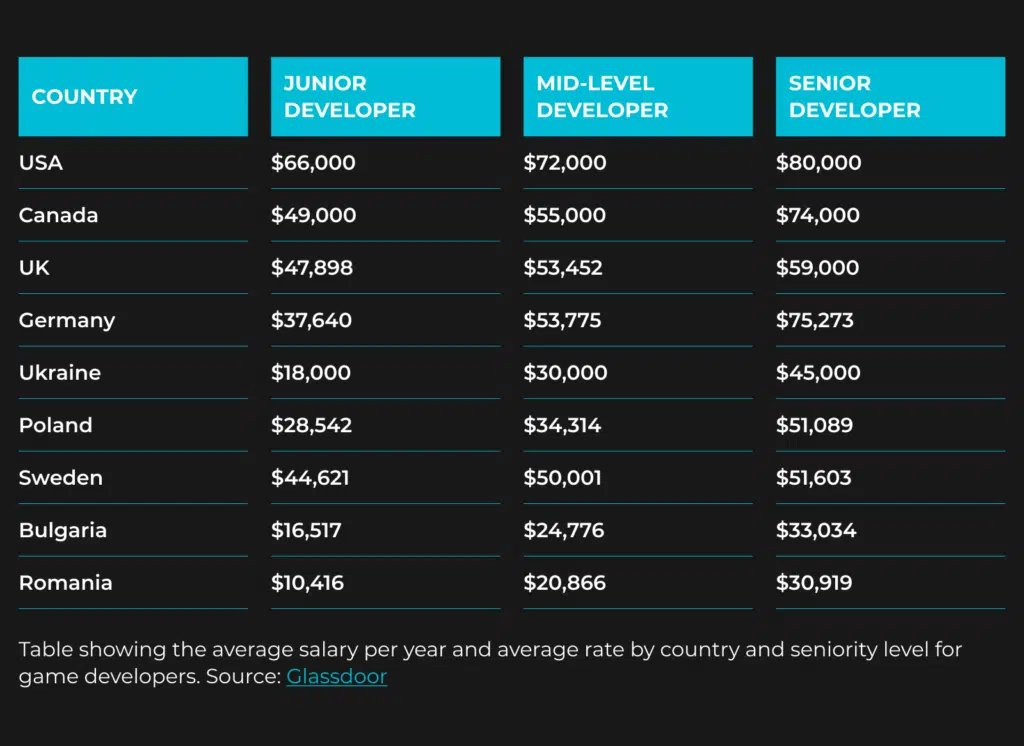
The average salary for a game developer varies widely, typically ranging from $60,000 to $120,000 per year in the United States, depending on experience, location, and specialization.
Ever wondered about the financial side of creating the games we love? It’s a question many aspiring developers ask: how much does a game developer earn? The answer isn’t always straightforward, it depends on many things.
Factors like skill level, years of experience, and the specific company all play a role. Also, the geographical location significantly influences the earning potential of a game developer.

How Much Does a Game Developer Earn?
So, you’re dreaming of making video games? That’s awesome! But you’re also probably wondering, “How much money can a game developer actually make?” It’s a great question, and the answer isn’t always simple. Just like with any job, a game developer’s salary can change depending on lots of things. Let’s dive in and explore all the factors that affect how much money game developers bring home.
Understanding the Basics of Game Developer Salaries
First, it’s important to know there isn’t one single pay rate for all game developers. Think of it like being a doctor – a heart doctor might make more money than a doctor who helps with coughs. It’s the same with game development. What you do, where you live, and how much experience you have all play a big part in your paycheck.
Job Titles Matter
Game development isn’t just one job; it’s a whole bunch of different roles! Here are some common jobs and how they typically affect salary:
- Programmers (or Software Engineers): These are the folks who write the code that makes the game work. They make the game characters move, create the worlds you explore, and make all the mechanics function. Usually, because of how technical their job is, they make higher salaries.
- Game Designers: These are the creative people who come up with the ideas for the game, like the story, the characters, and the levels. While not always the highest paid, they play a very important role and get paid well for it.
- Game Artists: These artists create the look of the game. They might make the characters, the background, the objects, and even the user interface. Depending on skill level and experience they receive a good sum of money.
- Game Testers (or Quality Assurance): These players are the first ones to try out the game, find bugs, and make sure everything is working as it should. Entry level testers usually make less than developers with specialized skill sets.
- Audio Engineers: These folks work with the sounds and music in the game. They create sound effects, music, and make sure that the sound environment is top quality and works well with the gameplay experience. The pay depends on their specializations and company.
- Producers: They oversee the entire game development process and make sure that everything happens on time and within the budget. Their pay is often at the higher end of the scale, as they play a management role.
Factors That Influence Game Developer Salaries
Now that you know a few of the different roles in game development, let’s take a look at what else makes those paychecks go up or down.
Experience is Key
Just like in most careers, the longer you work as a game developer, the more you will likely earn. Here’s a simple breakdown:
- Entry-Level: These are people just starting their career in the game industry. They have little or no experience and they’re usually fresh out of college or a coding bootcamp. Entry-level salaries are lower because they are still learning.
- Mid-Level: Mid-level developers have a few years of experience under their belts. They’re usually quite good at their specific job and can handle complex projects. They also have a solid grasp on industry knowledge. Their salaries are much higher than entry level.
- Senior-Level: These are veterans of the game industry. They have tons of experience and can handle tough projects with ease. They can also act as mentors to less experienced members. Senior-level developers earn the highest pay.
Location, Location, Location
Where you live can make a huge difference in how much money you make. Game developers in places with a higher cost of living, like San Francisco, California, usually make more money than developers in areas with a lower cost of living. Here are some examples:
- High Cost Areas: Cities like San Francisco, Los Angeles, Seattle, and New York City tend to have the highest salaries. This is because the costs of rent, food, and other expenses are much higher.
- Mid-Cost Areas: Cities like Austin, TX and Raleigh, NC usually offer solid salaries for game developers. The cost of living is usually more manageable than high-cost areas.
- Lower Cost Areas: States or countries with lower costs of living usually have lower salaries for game developers. Even though the salaries might seem lower, they can still be good because the cost of everything else is lower too.
Company Size and Type
The company that you work for can also change your salary. Here are a few things to keep in mind:
- Big Game Companies: Companies like Electronic Arts (EA), Activision Blizzard, and Ubisoft tend to offer higher salaries with lots of benefits. They have bigger budgets and usually pay very competitive salaries.
- Indie Studios: Small, independent game studios might not have as much money to pay developers, but they offer unique and creative work environments. It can also provide more creative freedom. In some cases, they offer equity in the company as part of the compensation package.
- Mobile Game Companies: Companies that make games for phones and tablets can also pay well, and it often depends on the success of their games. These companies can be big, like Zynga, or smaller indie teams.
Skills and Specialization
Some game development skills are more in demand than others. Having these in-demand skills can mean higher pay:
- Programming Languages: Being able to code in languages like C++, C#, and Python is very valuable. Knowing specific game engines like Unity or Unreal Engine also increases your value.
- Game Engine Expertise: Experts in Unity and Unreal Engine often make more because these engines are widely used in the industry.
- Specialized Roles: Being an expert in a specific area like animation, visual effects, or artificial intelligence can also increase your earning potential.
Education and Qualifications
While not always required, having a degree in computer science, game design, or a related field can give you an edge. There are also other routes to becoming a game developer, like completing a coding boot camp or building a strong portfolio on your own.
Salary Ranges for Different Roles
Let’s get down to the nitty-gritty and talk numbers. Remember, these are estimates, and real salaries can change. However, it gives a good idea of what to expect in different roles.
Average Salary Ranges (USD)
| Job Title | Entry-Level | Mid-Level | Senior-Level |
|---|---|---|---|
| Programmer/Software Engineer | $55,000 – $75,000 | $80,000 – $120,000 | $120,000 – $180,000+ |
| Game Designer | $50,000 – $70,000 | $70,000 – $100,000 | $100,000 – $150,000+ |
| Game Artist | $45,000 – $65,000 | $65,000 – $90,000 | $90,000 – $140,000+ |
| Game Tester/QA | $35,000 – $50,000 | $50,000 – $70,000 | $70,000 – $100,000+ |
| Audio Engineer | $50,000 – $70,000 | $70,000 – $100,000 | $100,000 – $150,000+ |
| Producer | $60,000 – $80,000 | $80,000 – $120,000 | $120,000 – $200,000+ |
Please note: These salary ranges can change and are estimates based on current market information in the USA. Always research specific companies and regions to get a more accurate picture.
Beyond the Salary: Perks and Benefits
Salaries are not the only thing game developers get. Many companies offer great benefits, and that can add a lot to the value of the overall job. Here are a few things to keep an eye out for:
- Health Insurance: Most companies offer health, dental, and vision insurance. This can be really important for your well-being.
- Paid Time Off: Paid vacations and sick days let you take time off when you need it and still get paid.
- Retirement Plans: Many employers offer 401(k) plans that allow you to save money for retirement, and sometimes they match the money you contribute.
- Stock Options or Bonuses: Some companies may offer stocks or bonuses if the company does well, which can provide extra income.
- Game Discounts or Free Games: Many game companies offer their employees discounts on games or even free copies of the games they work on.
- Flexible Work Hours: Some studios have flexible work hours and allow hybrid or remote work.
How to Increase Your Earning Potential
Want to earn more as a game developer? Here are some things you can do:
- Build a Strong Portfolio: Create your own projects that showcase your skills. This is incredibly important when looking for a job, and even more so when you want a pay raise.
- Learn New Skills: Keep learning new programming languages, game engines, or design tools. This will make you more valuable to employers.
- Network with Industry Professionals: Attend game conferences, join online forums, and connect with other game developers. Sometimes, knowing the right people can help you to get a better position.
- Specialize in a High Demand Area: Focus on learning in-demand skills, like AI programming, or VR/AR development. Specializations like these often come with bigger paychecks.
- Consider Relocating: Moving to an area with a higher demand for game developers might mean a bigger salary.
- Don’t Stop Learning: The game industry is always changing. Keep up with new trends and technologies to stay competitive.
Becoming a game developer isn’t just about making video games; it is also about making a living. The amount of money you will make as a game developer depends on several things, like the job you want, your experience, the place you live, and the company you work for. By building a strong portfolio and constantly learning new skills, you can increase your earning potential in the exciting world of game development.
How Much I Get Paid as a Game Programmer
Final Thoughts
Game developer salaries vary greatly. Experience, location, and studio size heavily influence pay. Entry-level roles might see modest income, while lead developers at major studios command higher figures.
Freelance developers also have different income structures, based on project type. Ultimately, how much does a game developer earn depends on several factors. A developer’s portfolio and skills will affect their financial situation.

