
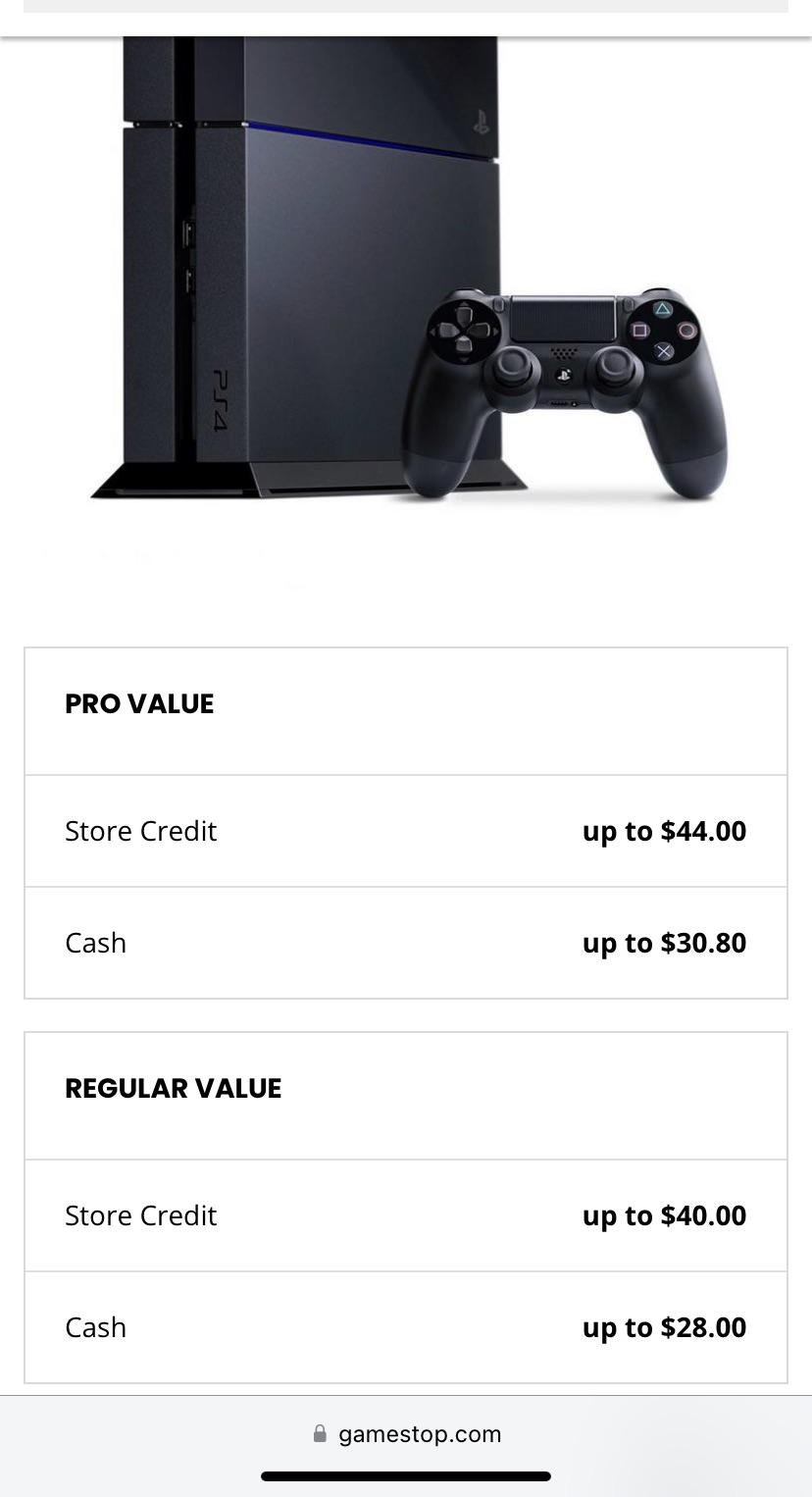
GameStop’s trade-in values vary greatly based on the game’s popularity, condition, and current market demand; expect considerably less than retail price.
Ever wondered how much does GameStop pay for games? It’s a common question for gamers looking to trade in their old titles. The value GameStop offers isn’t always what players hope for.
Several factors affect the trade-in prices you’ll receive. These include the game’s age, its popularity, and the condition it’s in. Don’t expect to get a lot for older games.
You might get more credit towards a new game than cash. Always check their website or ask an employee to get the most accurate quote.

How Much Does GameStop Pay for Games?
Figuring out how much GameStop will give you for your used games can feel like trying to solve a puzzle. It’s not a simple answer, as many different things affect the price they offer. Let’s break it down and look at all the pieces of that puzzle, so you’ll have a good idea of what to expect when you walk in with your stack of games.
The Key Factors Affecting Game Trade-In Value
GameStop doesn’t have one set price for every game. It’s much more complicated than that! Several things determine how much money or store credit you’ll get. Understanding these factors helps you see why the prices fluctuate.
Game Popularity and Demand
Just like popular toys that everyone wants, popular video games have high trade-in values. When lots of people are buying or searching for a specific game, GameStop knows it can sell that game quickly. They are more willing to pay a higher price to get those games in their stores. Think of the latest releases of big name franchises like Mario, Zelda, or Call of Duty. These titles often fetch a better price compared to older or lesser known games.
The Game’s Condition
This is a big one! Nobody wants a scratched-up, dirty, or broken disc. GameStop needs to be able to resell games, so the condition matters a lot. A game that is in great shape, with no scratches on the disc and its original case and artwork, will get you the best price. If the case is cracked, the disc has lots of scratches, or artwork is missing, you’ll probably get less, sometimes much less.
- Excellent Condition: Disc is perfect, case and artwork are like new.
- Good Condition: Minor scratches, case may have some wear, but overall good.
- Fair Condition: Noticeable scratches, some damage to the case, artwork might be worn or missing.
- Poor Condition: Deep scratches, cracked case, missing artwork, or not working at all.
New Release vs. Older Games
The value of a video game tends to go down with time. Just like a new car loses value as soon as you drive it off the lot, games often depreciate (lose value) after their initial release. A brand new game, especially during the first few weeks after it comes out, usually has the highest trade-in value. As time passes, the value goes down, sometimes quite rapidly, specially for games that didn’t perform as per expectations. This is a typical process for almost all games.
Platform and Console Type
The console a game is for also affects its trade-in value. For instance, games for newer, popular consoles like the PlayStation 5 or Xbox Series X may get better prices than older games for the PlayStation 4, Xbox One, Nintendo Switch or previous generation consoles. This is because newer consoles have a larger user base and more people are actively looking for games to play on those systems. Additionally, if a console game is extremely old and the console it is for is not being sold or is no longer relevant, the trade-in value will be very low if any at all.
Game Rarity and Collectibility
Some games, even older ones, can become more valuable over time because they become rare and are sought by collectors. Think of older retro games, titles that had limited print runs, or special editions. These games can sometimes have a surprisingly high value, but it’s important to note that GameStop may not always offer top dollar for these. You may be better off selling these rare items to private collectors or specialized stores. GameStop mainly focuses on games in more general demand.
GameStop’s Current Inventory Needs
GameStop’s inventory needs play a big role too. If they have lots of copies of a certain game already in stock, they’re less likely to offer you much for your copy. But, if they are short on a particular game, they may pay more to restock it. It depends on what their customers are buying and what the current demand is like. GameStop uses algorithms and tools to gauge demand and decide what to pay for trade-ins. This is a dynamic process that changes all the time.
Understanding Trade-In Options: Cash vs. Store Credit
When trading in your games, you’ll usually have a choice: cash or store credit. It’s important to know the difference because they can affect how much “value” you get for your games.
Cash Value
This option gives you real money for your games. You can use this cash anywhere, not just at GameStop. Usually, the cash offer is lower than the store credit offer. This is because GameStop wants to encourage you to spend your trade-in value within their stores.
Store Credit Value
This is money that can only be used to buy things at GameStop. While you can’t spend this credit elsewhere, you often get more value for your trade-ins if you choose store credit over cash. If you frequently buy new games or accessories from GameStop, this can be a good option. It helps you maximize the value from your old games.
Here’s a simple way to think about it:
- Cash: Less money, but can be spent anywhere.
- Store Credit: More value, but limited to GameStop purchases.
How to Maximize Your Game Trade-In Value
Okay, now that you know how GameStop decides prices, how can you get the most for your games? Here are some great tips to try:
Keep Your Games in Excellent Condition
Taking care of your games is the most important thing you can do. Handle them carefully, keep them in their cases, and store them in a safe place. Avoid stacking them loosely or letting them sit in the sun or near water. Always treat your games with care.
- Keep the disc free from scratches.
- Store the games in their original cases.
- Keep the artwork in good condition.
- Clean the games with a proper microfiber cloth if needed.
Trade-In Shortly After Release
If you want to get the best value for a game, try to trade it in soon after you finish playing it and close to the game’s release. The longer you wait, the less money you are likely to receive. The value drops over time. If you have a game that you’re done with and do not plan to replay, try and trade it in as soon as you are comfortable.
Take Advantage of Trade-In Promotions
GameStop often runs special trade-in promotions where they offer extra money or credit for certain games or consoles. Watch out for these deals through their flyers, website, or in their stores. You can get a much better deal by taking advantage of these promotion periods.
Bundle Trade-Ins
Trading in several games at once can sometimes get you a better offer than trading them in individually. GameStop might give you a little more if you are trading in a group of games together. Check with your local store to see if they offer bonuses for trading in multiple games at once.
Compare Prices
Before you head to GameStop, it’s a good idea to check what other stores or websites might offer for your games. There are other options out there, such as online marketplaces, other retailers, or even private buyers. It’s a good idea to compare prices before you make a decision. This will help you make the smartest decision.
- Check prices on websites that buy used games.
- Compare with what other retailers offer.
- Look into private buyers or collector groups for rare games.
Clean Your Games
Before you head to GameStop, clean your games up. Wipe the discs with a soft, microfiber cloth to remove any smudges or fingerprints. Also, dust off the game case. If your game looks neat, it can give a good impression and a better price.
Tools for Estimating Game Values
There are some resources you can use to get a rough idea of what your games might be worth before visiting a GameStop. These tools are not always completely accurate, but they can give you a ballpark idea.
GameStop’s Website and App
GameStop’s official website and app often have a trade-in tool where you can enter the game information and get a quote. This is the most direct way to see what GameStop is currently offering. While these are estimates, they will usually be in the ballpark of the final value that will be offered.
Third-Party Price Guides
There are various websites and apps that offer price guides for video games. These sites collect data on prices from multiple sources and give you an estimated value for your used games. Remember, these are not always perfect but will give you an idea if you are getting a fair offer.
The Trade-In Process at GameStop
Let’s walk through what usually happens when you trade in your games at a GameStop store:
Bring Your Games
Gather your games that you want to trade in. Make sure they are clean and in good shape. It can be helpful to make a list of your games before heading into the store.
Visit the Trade-In Counter
Head to the trade-in counter at GameStop, this is normally at the front of the store. Hand over your games to the employee. The employee will examine each game.
Employee Evaluation
The employee will check the condition of each disc and case. They will assess it based on the criteria we previously discussed. The employee will use their own discretion and also the system that is provided to determine the trade in value of your games.
Receive an Offer
The GameStop employee will then tell you the amount of cash or store credit you’ll receive. You can choose to accept the offer or decline it.
Complete the Trade
If you accept the offer, you’ll sign a trade-in form and get your money or credit. If it’s a cash offer, you will get the money, or if it’s store credit, it will be loaded onto your account, or a store gift card. You can then use your new credit or cash on your other purchases.
GameStop’s trade-in values are based on supply, demand, and the condition of the game. There are several factors that determine what GameStop will pay for your used video games. You can improve your trade-in values by keeping games in good condition, trading them in soon after their release, and watching for promotional deals. If you are not happy with the offered value, you can also shop around to different stores or online marketplaces.
Who Pays the Most for 100 Video Games?
Final Thoughts
GameStop’s trade-in values fluctuate based on game popularity, demand, and condition. Newer titles typically get higher offers compared to older games. They also have different values for consoles, accessories and specific editions of games.
To know for certain, check their website or visit a store. Remember, condition matters; a pristine game receives more than a scratched one. The question of ‘how much does gamestop pay for games’ varies greatly.

