
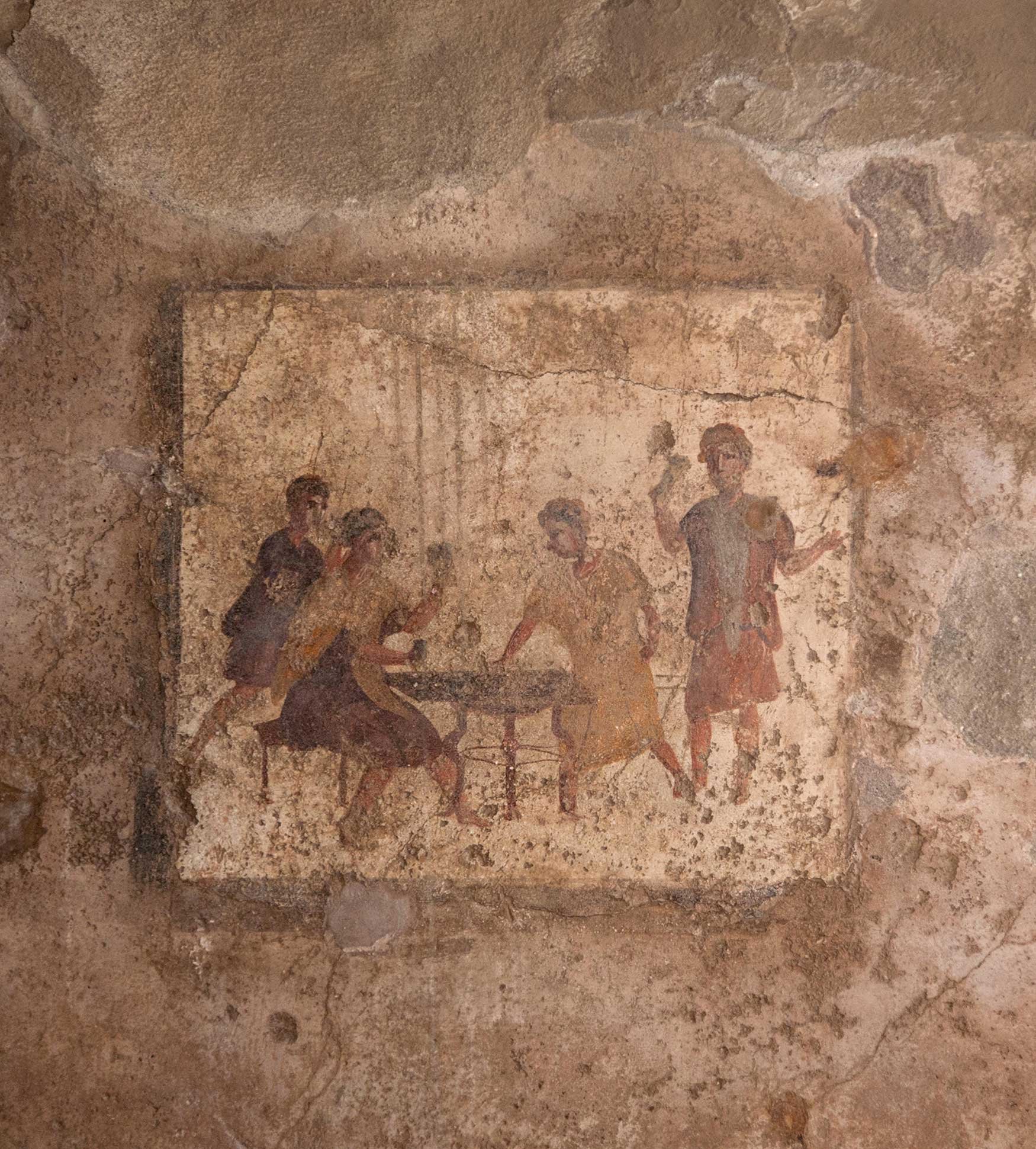
The game backgammon is approximately 5,000 years old.
Have you ever wondered about the history behind your favorite board games? Specifically, many people often ponder, how old is the game backgammon? This ancient pastime has captivated players for millennia, with its roots stretching back much further than you might imagine. Its origins can be traced to ancient civilizations, revealing a rich history.
The game’s enduring popularity speaks volumes about its simple yet compelling mechanics. Backgammon provides both strategic depth and the unpredictable roll of the dice. This combination has ensured its place in human culture for generations.

How Old Is the Game Backgammon?
Let’s dive into the fascinating history of backgammon! It’s a game that has been around for a very, very long time – way longer than video games, or even board games like Monopoly! Figuring out exactly how old backgammon is can be a bit like detective work, piecing together clues from the past. We can’t pinpoint a single date, but we can travel back in time and see where the evidence leads us. This journey will take us through ancient civilizations, archaeological digs, and the stories of people who loved to roll the dice long, long ago. So, buckle up and prepare to explore the history of this classic game.
The Ancient Roots of Backgammon: Mesopotamia and Beyond
The earliest clues we have about backgammon-like games come from the region of Mesopotamia, which is now mostly Iraq. We are talking about thousands of years ago! This area was home to some of the first civilizations, like the Sumerians and the Akkadians. These folks weren’t just building cities; they were also playing games! The game they played that is most similar to backgammon is called the Royal Game of Ur.
The Royal Game of Ur: A Precursor to Backgammon
Archaeologists have found game boards that are very similar to backgammon boards in ancient tombs in Ur. These boards, dating back to around 2600-2400 BCE, were used for the Royal Game of Ur. This game was played with dice and pieces, just like backgammon. The rules weren’t exactly the same, but the basic idea of moving pieces around a board and trying to get them to a certain point is definitely there. Imagine playing a game with someone who lived thousands of years ago, using the same idea but with different rules! The discovery of the Royal Game of Ur is essential to understanding the origins of backgammon. It shows us that people have been enjoying games like this for a very, very long time.
Key Features of the Royal Game of Ur:
- Played with dice and pieces
- Used a board with marked spaces
- Goal was to move all pieces off the board.
- The most basic idea is similar to modern backgammon, in that you are trying to move pieces from one end to another.
Evidence from Other Ancient Civilizations
The fun doesn’t stop in Mesopotamia! Similar games have also been found in other ancient places. Ancient Egyptians also had a game called Senet, which looks a bit different but also involved moving pieces on a board using some kind of chance mechanism. While not directly related to backgammon, Senet, which was around the same time as the Royal Game of Ur, shows us that many ancient civilizations loved board games. The presence of various board games highlights a shared human desire to play and compete, from ancient civilizations to today. So, we are not just exploring one game’s history, we’re also learning about history itself!
Evolution of the Game: From Ancient Times to the Classical Era
Now let’s fast forward a bit in time. The games like the Royal Game of Ur didn’t just disappear. They evolved, just like everything else in history. The earliest version that is most like what we think of as backgammon today began to appear in the Middle East, likely evolving from older games. This is the time when we begin to see games that have the specific elements that makes backgammon the game we know today. The name of the game changed as it spread, becoming more and more familiar.
The Appearance of “Tabula” in the Roman Empire
During the time of the Roman Empire, a game called “Tabula” became very popular. This game is a very close ancestor to modern backgammon. Tabula was played on a board similar to today’s backgammon board, with two rows of points and pieces moving in opposite directions. The Roman’s loved games of chance. Tabula was so popular that it was mentioned in Roman writings, and boards were found in archaeological digs all around what used to be the Roman Empire. This shows us just how widespread the game was and how it had become a regular part of everyday life. Think about how popular video games are today! Tabula was that popular back then.
Key aspects of Tabula:
- The game used 24 points or spaces
- Players moved checkers around the board based on the roll of dice
- The goal was to move all checkers to your “home board” and then bear them off.
- It was a widely popular form of entertainment, much like backgammon is today.
Spread and Adaptation of Backgammon
As the Roman Empire spread and as the people traveled and interacted more, so did the game Tabula. The game spread across the globe and it started to change slightly in different regions, adopting new rules and new names. Different cultures adopted the game and made it their own, adding unique twists to it. Just as language changes with time, games also do the same. Backgammon’s spread around the globe is a great example of cultural exchange!
Here’s a glimpse of how the game spread and varied:
- Middle East: “Nard” was a widely adopted version of the game, played with similar concepts.
- Byzantine Empire: “Tavli” was a popular version of the game.
- Western Europe: The game evolved into forms of “Tables”.
The Medieval Period and the Shaping of Modern Backgammon
As we move into the medieval period, we can see even more clearly how backgammon started to take on its modern form. The versions of “Tables” that were played in different parts of Europe were very similar to what we play today. There was a lot of trading and mingling of cultures, which made the rules become more standardized over time. This period was also important for introducing many people around the world to the game.
“Tables” in Medieval Europe
In Europe, the game was known as “Tables”. It was very popular in castles and taverns. In the books and art from that time you could see the people playing this game, that shows the game was a very popular pastime. Rules started to become more uniform, which meant players could easily play no matter where they were from.
The Development of Modern Backgammon
The rules of the game as we know it today became more solid during this period. The layout of the board, the number of checkers, and the way we move them all became more or less the same. This standardization made the game accessible and made it easy to pass down from one generation to the other. While there are some variations across the world, the basic game you know is very likely to be similar to the game played by many others around the world. This period was very important in creating the game you can play today.
Backgammon in the Modern Era
Now we arrive in modern times! Backgammon has remained a very popular game through the centuries. It has survived many different time periods, wars, and world events, but it still entertains people today. Even with video games and other forms of entertainment, many people still love the simple strategy and challenge of a game of backgammon.
Backgammon’s Continuing Popularity
Backgammon’s story is a testament to its enduring appeal. It’s a game that combines luck with strategy. This makes every game unique and challenging. The rise of online backgammon and tournaments has brought the game into a digital age, reaching a completely new group of players. You can now play with people from all over the world, which allows the game to be as popular as it was in the past. The love for backgammon has been passed down from ancient civilizations to modern times.
Backgammon Tournaments and Digital Play
Today, people play backgammon not just for fun, but also in competitive tournaments. There are championships all over the world. Online platforms have made it super easy to play with anyone, anytime, anywhere. This has allowed new players to easily join and see the fun that the game of backgammon brings. It’s pretty cool to think that the game that began thousands of years ago is still being enjoyed by so many people today, especially in the world of the internet.
So, How Old is Backgammon, Exactly?
Now, let’s try to put all this into perspective. While we can’t say exactly how old backgammon is, we can conclude a few things. The earliest versions of the game, like the Royal Game of Ur, go back about 4,500 years. The more modern version, which is very similar to the game that we play today, started to appear in the Roman Empire around 2000 years ago with a game called “Tabula”. The game was spread by the Romans. So, the roots of backgammon are very, very ancient. This makes backgammon one of the oldest board games in the world.
A Timeline of Backgammon’s History
Here is a simple table that puts this into the correct order.
| Era | Period | Key Game | Approximate Date |
|---|---|---|---|
| Ancient Mesopotamia | Sumerian and Akkadian Civilizations | Royal Game of Ur | 2600-2400 BCE |
| Ancient Egypt | Egyptian Civilizations | Senet | 2600-2400 BCE |
| Roman Empire | Roman Period | Tabula | Around 100 CE |
| Medieval Europe | Medieval Times | Tables | 500 CE onwards |
| Modern Era | Present day | Backgammon | 17th Century onwards (Standardization) |
This table showcases how the game evolved throughout history, leading to the form we know today. It’s a journey of cultural exchange and adaptation, highlighting that games have been a very important part of human life for thousands of years.
The story of backgammon is more than just about a board game; it is about connecting with people from the past. The game you are playing today has been enjoyed by many different people for thousands of years. That’s pretty amazing to think about. Backgammon’s long history shows how important it is to play, compete and enjoy the simple things in life, like a good game. So the next time you play backgammon, remember that you are taking part in a tradition that has been passed down through generations, connecting us all to a shared love of games and the history of the world.
Backgammon History Ft. David Attenborough!
Final Thoughts
Backgammon boasts an incredibly long history, with archaeological finds suggesting forms of the game existed around 5,000 years ago. This places its origins in the ancient Near East. Variations of this board game developed across different cultures.
The exact modern backgammon we know evolved over time. Its current rules and setup became standardized much later. Therefore, when we consider how old is the game backgammon, we are really looking at a family of games, not just one.
The game backgammon has survived centuries. People continue playing it today, making it one of the world’s oldest and enduring board games.

