
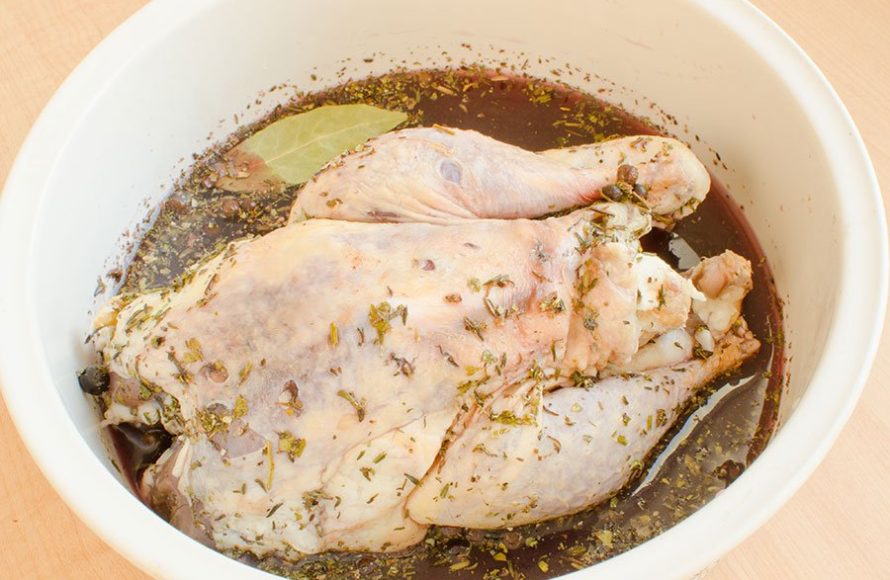
Brining game hens involves soaking them in a saltwater solution, often with added herbs and spices, for a period of time to enhance their moisture and flavor.
Ever wondered how to get that perfectly juicy game hen? The secret lies in a simple technique. Learning how to brine game hens can make a huge difference in the final dish. It is easier than you think!
A brine not only keeps the meat moist, but also infuses it with wonderful flavors. It really does take your game hen meal to the next level. This makes all the difference for any special occasions.

How to Brine Game Hens: A Step-by-Step Guide
Okay, so you’re thinking about cooking some game hens? That’s awesome! They are a delicious and impressive little meal. But, just like any poultry, game hens can sometimes come out a bit dry. That’s where brining comes in. Brining is like giving your game hens a super flavorful spa day before they hit the oven or grill. It’s a simple process that makes a big difference, resulting in juicy, tender, and incredibly tasty birds. Let’s dive into exactly how you can do this.
Why Brine Game Hens?
First things first, why bother brining at all? Well, the magic of brining lies in its ability to do two main things:
Moisture Retention: When you brine, the salt in the solution gets inside the meat. This salt causes the muscle proteins to unwind and hold on to more liquid, even during the cooking process. This means your game hens won’t dry out as easily, giving you a much juicier final product.
Flavor Enhancement: Beyond just adding saltiness, the brine also allows other flavors to penetrate the meat. You can infuse your hens with herbs, spices, and even citrus, making every bite a burst of yum.
Think of it like marinating, but with a focus on moisture. Marinating primarily adds flavor, while brining focuses on keeping things juicy while adding subtle flavor. The best part is that it is incredibly easy to do!
Basic Brine Recipe for Game Hens
Before we get into the specifics, let’s look at a basic recipe. This will be our starting point, and you can totally adjust it to suit your taste. Remember, brining is very flexible!
Ingredients:
- 1 gallon of cold water
- ½ cup of kosher salt (not iodized table salt)
- ½ cup of granulated sugar
Instructions:
- In a large pot or container (make sure it’s food-safe), combine the water, salt, and sugar.
- Stir until both the salt and sugar completely dissolve. This is really important, don’t rush this part!
- Add your game hens to the brine making sure they’re fully submerged. If they float, you can weigh them down with a plate or a sealed bag filled with water.
- Refrigerate the brining hens for 4-6 hours. Don’t brine too long or they will get too salty.
- Remove the hens from the brine and rinse them thoroughly under cold water. This gets rid of excess salt from the surface.
- Pat the hens completely dry with paper towels before cooking. This is very important for a beautiful golden-brown skin.
Picking the Right Salt
Not all salt is the same, especially when you’re brining. Here’s a quick guide:
Kosher Salt: This is your best bet for brining. The large crystals dissolve easily and measure consistently.
Sea Salt: Can be used, but can vary in coarseness. Make sure the crystals are large, if using sea salt, and measure by weight, not volume.
Table Salt: Avoid this for brining. It’s too fine, too concentrated, and contains iodine which can give a metallic taste to the meat.
Pickling Salt: If you have no access to other kinds of salt, pickling salt will also work well in your brine.
The key is to use salt that dissolves well and is pure without other additives. Kosher salt is the standard for a good reason – it works wonders!
Adding Flavor to Your Brine
Now for the fun part – flavoring the brine! This is where you can really personalize your game hens. Here are some awesome ideas:
Herbs: Fresh herbs, like thyme, rosemary, sage, or bay leaves, add fantastic aromatics. You can use a few sprigs of each or even dried herbs, if you don’t have the fresh kind.
Spices: Whole spices like peppercorns, juniper berries, allspice, or cloves can add warmth and complexity. A mix of these creates a delicious fragrance that soaks into the meat.
Citrus: Lemon or orange slices add a bright, zesty note. They infuse the meat with their lovely citrusy essence.
Garlic: A few smashed garlic cloves provide a savory depth. They’ll provide a subtle but pleasant garlic note that works really well with most herbs.
Onions or Shallots: Roughly chopped onions or shallots will add a gentle savory base. They meld into the background of the other flavors but certainly help elevate the overall taste of your game hens.
Honey or Maple Syrup: A touch of sweetness can balance out the salty and savory notes and also helps with browning during cooking. Don’t use too much as this can make the birds too sweet.
How to add these flavors:
1. Add the flavors to your brine mixture before you add the game hens.
2. Give them a good stir and allow the flavors to sit in the brine for about 15-20 minutes before adding the hens, allowing them to infuse into the brine.
Example Flavor Combinations:
- Mediterranean: Lemon slices, garlic cloves, rosemary, and thyme.
- Spicy and Aromatic: Orange slices, allspice berries, peppercorns, and bay leaves.
- Savory and Sweet: Garlic cloves, a sprig of sage, a bit of honey or maple syrup, and some shallots.
Feel free to experiment and find your own signature brine!
The Brining Container: What to Use
Picking the right container is really important to make sure your hens stay completely submerged and the brine doesn’t leak. You can use different types of containers, depending on what you have in your kitchen:
Large Stockpot: This works great if you have enough space in your refrigerator. Make sure it fits comfortably before filling it with the brine.
Food-Safe Plastic Bucket: These are fantastic for larger batches. They’re easy to clean and often more spacious than most pots.
Brining Bag: These plastic bags are specifically designed for brining. They take up less space in the refrigerator and are easy to seal.
Deep Dish or Bowl: Can work for smaller hens if they fit completely submerged, and are not over crowded.
No matter what you use, ensure that it’s clean, food-safe, and big enough to completely submerge your game hens without them being too crowded.
The Brining Time: How Long is Long Enough?
The time you brine your game hens is just as important as the brine ingredients. Here’s a guide:
Minimum Time: 4 hours. This allows enough time for the brine to get into the meat and do its magic.
Maximum Time: 6 hours. Brining too long can result in overly salty meat.
Ideal Time: For most game hens, 5 hours is a sweet spot. They’ll be nice and juicy without being too salty.
Important Tip:
Do not brine for longer than 6 hours. Set a timer so you don’t accidentally leave them in too long.
Steps After Brining: Rinsing and Drying
After your game hens have spent enough time in the brine, there are a few crucial steps before cooking. First, you need to rinse them. This removes any excess salt from the surface of the skin. Don’t worry, the meat has already absorbed what it needs.
1. Rinse: Gently rinse the hens under cold water for a minute or two, making sure all surfaces are covered.
2. Dry: This step is very important! Pat the hens completely dry with paper towels. This helps the skin get crispy when you cook them. If the skin is wet, it won’t brown properly. Make sure all moisture is gone!
Cooking Your Brined Game Hens
Once you’ve brined, rinsed, and dried your game hens, it’s time to cook them! You can use many different ways for this. Here are a few popular ways:
Roasting: Place the hens in a roasting pan, brush them with butter or oil, and bake in a preheated oven (around 375°F/190°C) until they reach an internal temperature of 165°F/74°C.
Grilling: Grill the hens over medium heat, turning occasionally, until they are cooked through.
Air Frying: Place the hens in your air fryer and cook at around 375°F (190°C) until cooked thoroughly. Air frying can be the best method if you’re looking for a quick, crispy result.
Pan Seared: You can sear the game hens in a hot pan before finishing them in the oven. This adds a beautiful golden-brown exterior and seals in the juices.
No matter how you cook them, the brining will ensure they stay moist and flavorful.
Tips for Success When Brining
Brining isn’t difficult, but a few extra tips can make your results even better:
Keep it Cold: Make sure to keep your brining game hens in the refrigerator to avoid bacteria growth.
Don’t Over Brine: Follow the recommended times. Too much brining can make the meat too salty.
Use a Thermometer: Always use a meat thermometer to make sure the game hens are cooked to a safe internal temperature of 165°F (74°C). This will ensure they are safe to eat and not overcooked.
Get Creative: Don’t be afraid to experiment with different herbs, spices, and flavors in your brine. It’s a great way to add variety.
Always Rinse and Dry: Rinsing and patting them dry is key for a beautifully cooked bird with crispy skin.
Don’t Crowd the Pan: When cooking, avoid overcrowding the pan, air fryer, or grill. This can lower the temperature and cause the hens to steam rather than brown.
By following these tips, you’ll be well on your way to cooking the most delicious, juicy game hens you’ve ever had!
Brining game hens may sound like a complicated technique, but it’s really not. It’s a simple process that makes an enormous difference in the final product. With a bit of planning and the right ingredients, you can turn your game hens into something truly special. The extra time and effort will be well worth it when you taste how incredibly juicy and flavorful they are. Give brining a try and enjoy the taste of perfectly cooked, moist game hens.
Cornish Hens (With Brine Recipe)
Final Thoughts
Brining game hens guarantees juicy, flavorful results every time. Simply dissolve salt and sugar in water, submerge the hens, and refrigerate. This process allows the meat to absorb moisture and seasoning.
Remember, the brine time is important. Over-brining can make the hens too salty, so stick to the recommended time for the best experience. Therefore, how to brine game hens properly requires attention to time and ratio of ingredients.
Using the method described you will improve the flavor significantly. You will be happy you have learned how to brine game hens to enjoy this simple technique.

