
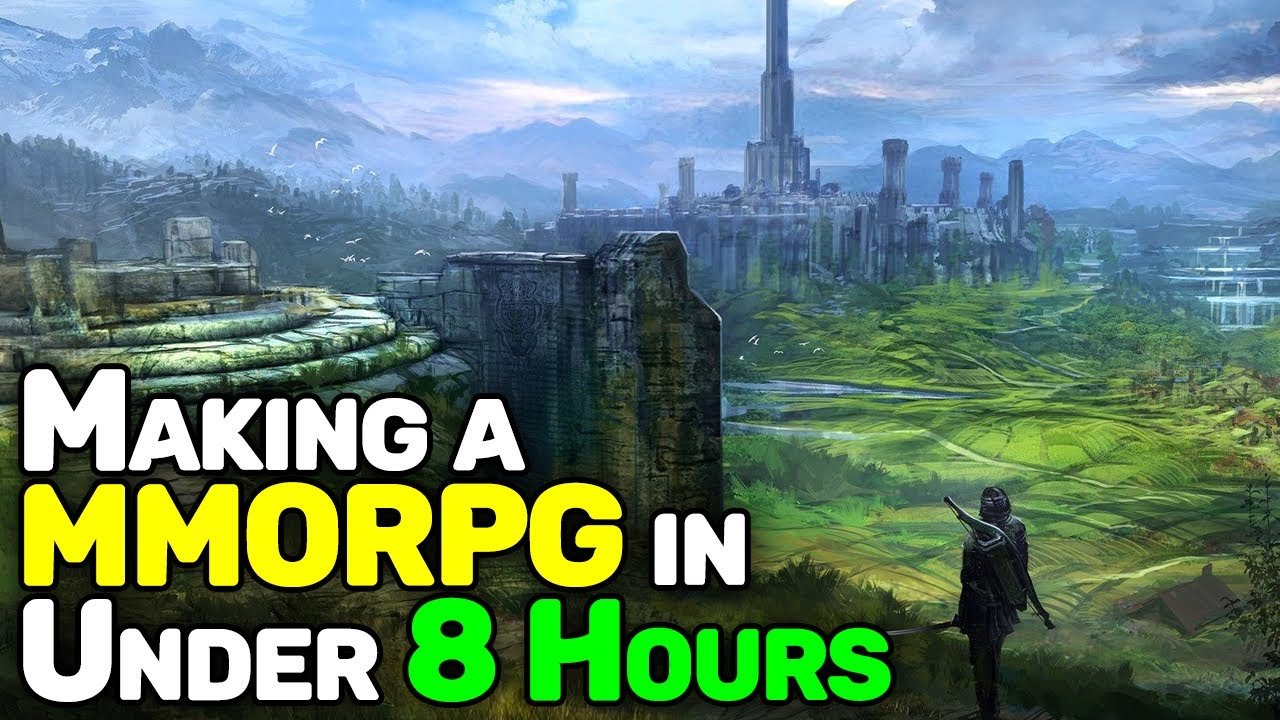
Creating an MMORPG game requires a team skilled in programming, art, and game design, along with significant financial resources and a deep understanding of server infrastructure.
Ever dreamt of building your own sprawling online world? You’re not alone. Many aspiring developers wonder how to create an MMORPG game, a monumental task that blends technical prowess with creative vision. It’s a journey filled with challenges but also immense potential for player engagement. This article will guide you through the initial steps to understand what is required.

How to Create an MMORPG Game
Making an MMORPG (Massively Multiplayer Online Role-Playing Game) is like building a giant playground where lots of people can play together! It’s a big job, but it can be super fun and rewarding. Let’s explore the different parts you need to think about when making your very own world.
The Big Picture: Planning Your MMORPG
Before we start coding or drawing, we need a good plan. Think of it like building a house – you need blueprints! This is about figuring out what your game will be like. What kind of game is it? What makes it special?
Choosing Your Game Genre
First, decide on the type of game you want to create. Is it going to be a fantasy world with magic and dragons? Or maybe a futuristic sci-fi adventure with spaceships? Here are some popular genres:
- Fantasy: Think elves, dwarves, magic spells, and quests to save the kingdom. These are games like World of Warcraft or Elder Scrolls Online.
- Sci-Fi: This might involve spaceships, aliens, advanced technology, and exploring different planets. Examples are games such as Star Wars: The Old Republic or Eve Online.
- Post-Apocalyptic: A world after a big disaster, with survival elements. Games like Fallout 76.
- Historical: Set in real past times, maybe with a bit of imagination. Think of a game set during the Roman Empire or the age of pirates.
- Superhero: Play as a powerful hero and fight villains.
Decide what makes your game different from the others. What unique story, gameplay or art style will make people want to play? Think about what you love to play in games, and what you think is missing. This will help you make your own unique game.
Defining Your Core Gameplay
Next, it’s time to focus on gameplay. How do players interact with the world and each other? What will they be doing most of the time? Here are some key elements to consider:
- Combat System: Will players battle with swords, magic, guns, or a mix? Will it be real-time or turn-based?
- Progression System: How do characters get stronger? Do they level up, learn skills, or find better gear?
- Quests: What kind of jobs or adventures will players go on? Will they be fetch quests, battles, or complex storylines?
- Crafting and Trading: Can players make their own items, and sell them to other players?
- Social Features: How will players form groups, join guilds, and talk to each other?
Creating Your World
Your game needs a world for players to explore. This world needs to feel interesting and alive. Here are some things to think about:
- Size and Scale: How big will your game world be? Will it be a single continent or several different worlds?
- Environments: What kind of places will players visit? Forests, deserts, mountains, cities?
- Important Places: What are the major cities, towns, and landmarks? What makes them special?
- Lore and Backstory: What happened in the past that makes the world what it is now? What stories are hidden in the world for players to uncover?
Building the Game: Technical Stuff
Now for the more technical stuff! Building an MMORPG is like building a really complex machine. You need lots of different parts working together. Let’s look at some of the key components.
Game Engine
The game engine is the heart of your game. It’s a program that helps you make the game easier. It handles things like graphics, physics, and sound. Some popular game engines for MMORPGs include:
- Unity: A very popular engine that is easy to use and good for both 2D and 3D games. It has a very large community that can provide help if needed.
- Unreal Engine: Another popular engine with great graphics capabilities. Often used for more demanding games.
- Custom Engine: Larger studios might create their own game engine, but this is a huge task.
Choosing the right engine depends on your game, skill level, budget and available resources. It’s a good idea to research them carefully before choosing one. Most come with a trial period where you can test the features they offer.
Programming Languages
Game engines often use programming languages. Programmers write code that tells the game what to do. Here are some common languages for MMORPG development:
- C#: Often used with Unity. It’s a powerful language that is good for games.
- C++: Used often in Unreal Engine. It is very powerful and fast, often used for graphics and physics calculations.
- Java: Used for server-side programming and sometimes for parts of the client.
- Python: Useful for game development tools and scripts.
You don’t have to learn all of them. Many engines have visual scripting options that are less coding and more visual. Many of the above languages are difficult to learn and require specific knowledge of programming.
Server Architecture
MMORPGs need a server to host the game world. The server is like the brain of the game, and it keeps track of all the players. Making a good server setup is very important for making sure that the game works well.
- Database: A database stores all the information about the game, such as characters, items, and world state. Using a database that can handle a large amount of data is very important.
- Game Server: This handles the core gameplay mechanics and player interactions, making sure all players can communicate.
- Authentication Server: Makes sure that only registered players can get into the game.
- Load Balancing: Distributes players across different servers so that no single server gets overloaded.
Art and Sound
Good art and sound make the game look and feel amazing. Here are the areas you’ll need to think about:
- Character Design: How do the characters look? Their clothes and faces are all things that need designing.
- Environment Design: What does your game world look like? From forests to cities to dungeons.
- User Interface (UI): The way players interact with the game is important. The layout for menus, inventory, maps and more.
- Sound Effects: Sounds for everything from footsteps to sword clashes.
- Music: Music can change how people feel when they play the game.
You can make your own art and sound, or hire artists and sound designers. There are also libraries of pre-made assets which can be used, both free and purchased.
Testing and Improving
Making a game isn’t just about coding and drawing. You also have to test it, and fix the mistakes you find. This is called game testing. It’s a very important part of making a good game. Here’s how to test your game:
Alpha Testing
An alpha test is when the game is tested in house with a small group of people. This is usually before the game is finished. At this stage, you’re looking for big problems. This includes things like bugs, performance problems, or anything that makes the game not fun to play. The goal of this testing is to get the core game stable and playable before moving to more public testing.
Beta Testing
Beta testing involves getting feedback from players outside of the game development team. This is the part where the game gets tested by a wider audience. You get to see how people play the game and what problems they find. It is usually done to make sure the game is ready for the public.
Gathering Player Feedback
During the testing phase, it is very important to listen to feedback from players. What do they like? What do they dislike? What things are not fun? This will help to figure out what parts of the game need more work.
Ongoing Updates
Making an MMORPG is not a one-time thing. It’s more like a continuous process. After you launch your game, you will need to keep updating it. This can include adding new content, fixing bugs, and adding new features. It’s important to keep players happy and engaged by giving them new stuff to do. Also, watch your player base to see how they are playing the game. This can help you figure out what they are doing, and what they want in the game.
The Challenges of MMORPG Development
Building an MMORPG is not easy. It’s a big project, and there are many challenges. It’s important to understand these challenges and be ready to face them.
Team Size and Management
MMORPGs are usually developed by large teams. A typical team may have programmers, artists, designers, sound engineers, and more. Each person needs a specific set of skills, and all of them need to be working together. Managing all these people can be very hard. Everyone needs to know what they’re doing and how they need to work together. The project management must be structured properly and be followed. Clear communication and organization are key to success in a large project.
Cost and Funding
Making an MMORPG costs a lot of money. You will need to pay for all the people working on the game. You’ll need to pay for software, hardware, servers and more. Often, this is the single largest problem new companies face. Finding funding for your game can be challenging, and it’s important to budget carefully. One way to make sure your game will be viable is to develop a demo, prototype or early access release so that investors can see the game in action.
Keeping Players Engaged
It can be difficult to make an MMORPG that people want to play for a long time. People might get bored after they complete the content, or get to the end game. You will need to give them new reasons to come back. That means adding new content, events, features and keeping up with the feedback of the player base. This is an ongoing process that requires a lot of time and resources. A good community manager will be a great asset to this.
Dealing with Technical Issues
MMORPGs can have lots of technical issues. Servers can crash, or bugs can cause problems. It’s very important to have a good support system for dealing with those problems. This includes server monitoring, having a dedicated support team and being able to quickly fix the game when problems occur.
Monetization Strategies
Once your game is made, you need to think about how it will make money. Here are some ways that people use for this:
- Subscription Model: Players pay a monthly fee to play the game.
- Free-to-Play with Microtransactions: The game is free to play, but players can buy items or cosmetics.
- Buy-to-Play Model: Players purchase the game once and then play for as long as they want.
Each method has its own good and bad points. It’s important to pick the one that will work best for your game and its players.
Creating an MMORPG is a huge project. It is a complex and time-consuming task that needs a lot of dedication. You will need a good plan, a talented team and lots of hard work. If you love games, then creating one can be an amazing experience. Remember to start small, get feedback from your player base and keep improving your game. With dedication and hard work you can make a great game. This game can bring a community together. Make sure to always listen to the people who play your game.
How to make YOUR dream game with no experience
Final Thoughts
Creating an MMORPG involves a complex process. You must plan your game world, design engaging gameplay, and establish solid networking. Server infrastructure and a strong development team are critical.
Developing detailed art assets and sound design are key. Iterative testing and community feedback improve your game. Securing funding and marketing your game properly are vital steps. Remember, the journey of learning how to create an mmorpg game demands patience and dedication.

